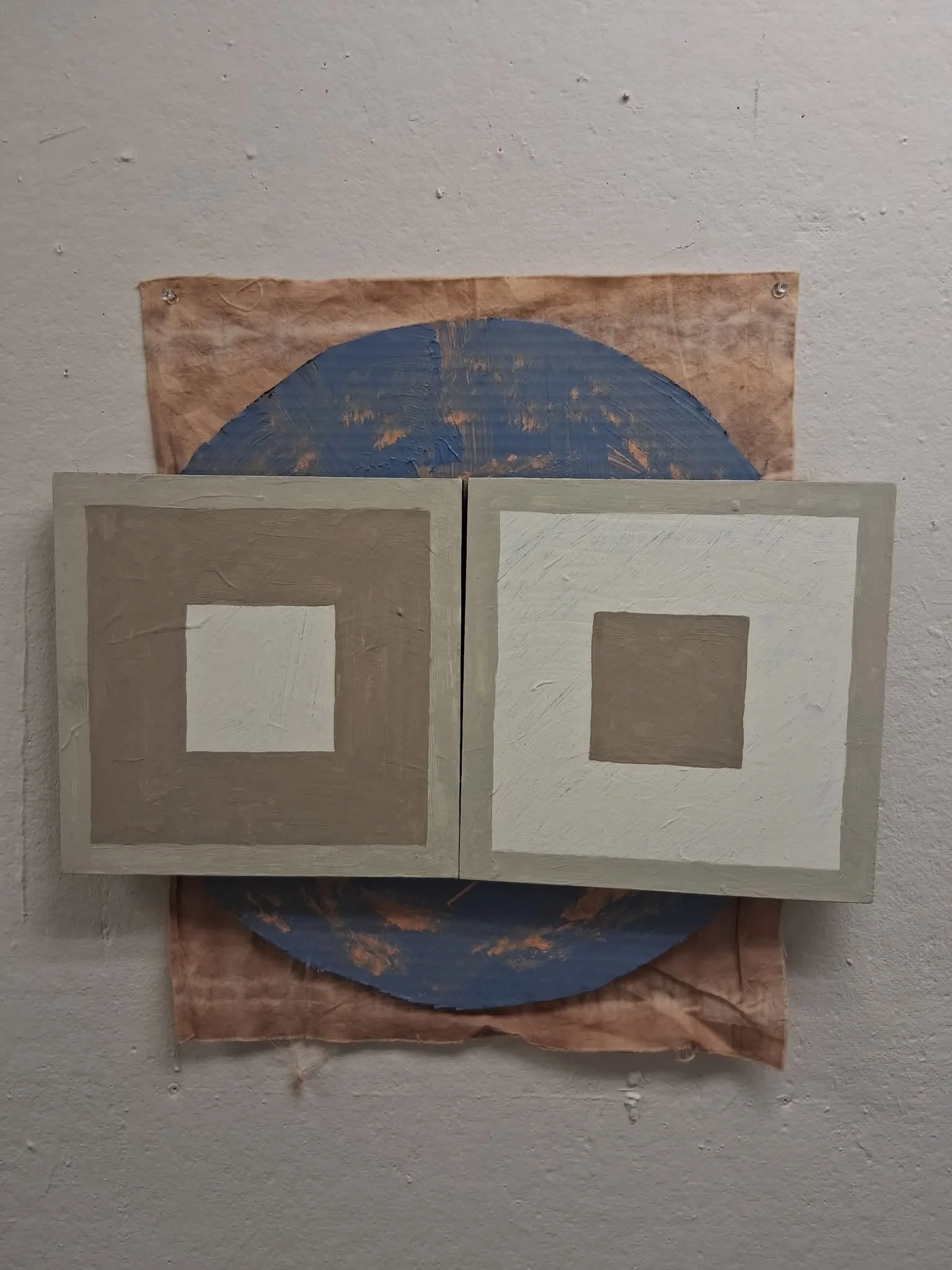
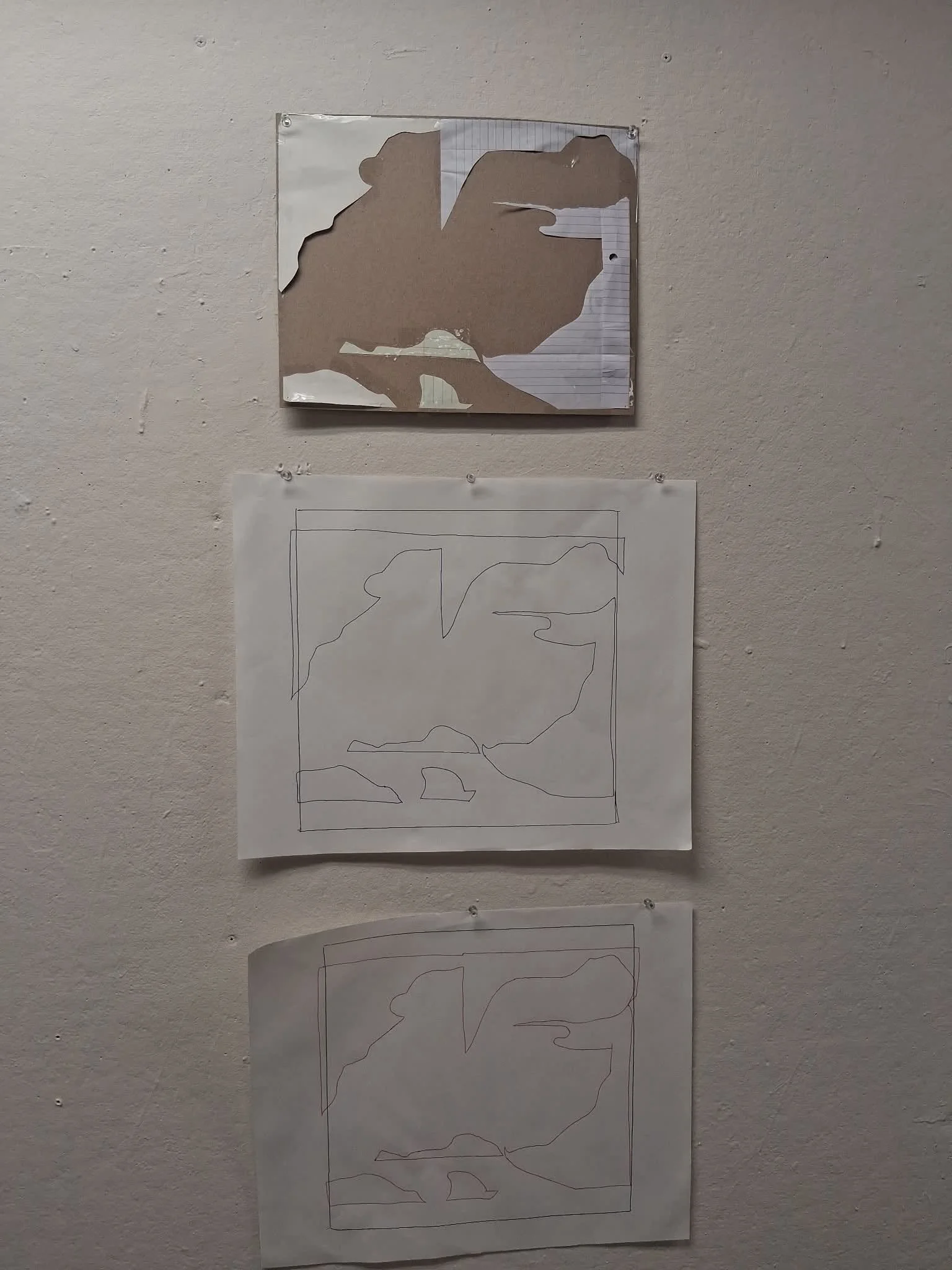
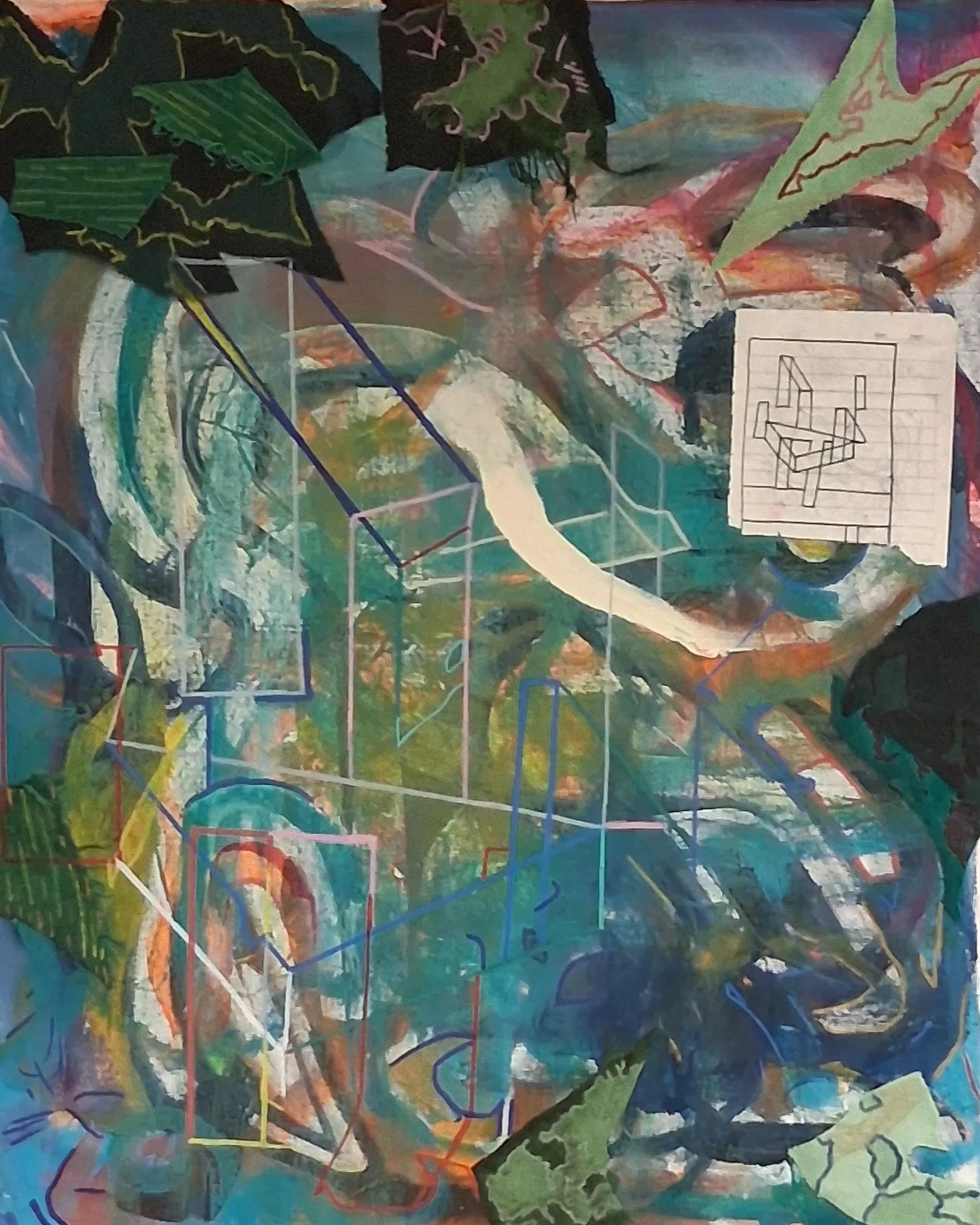
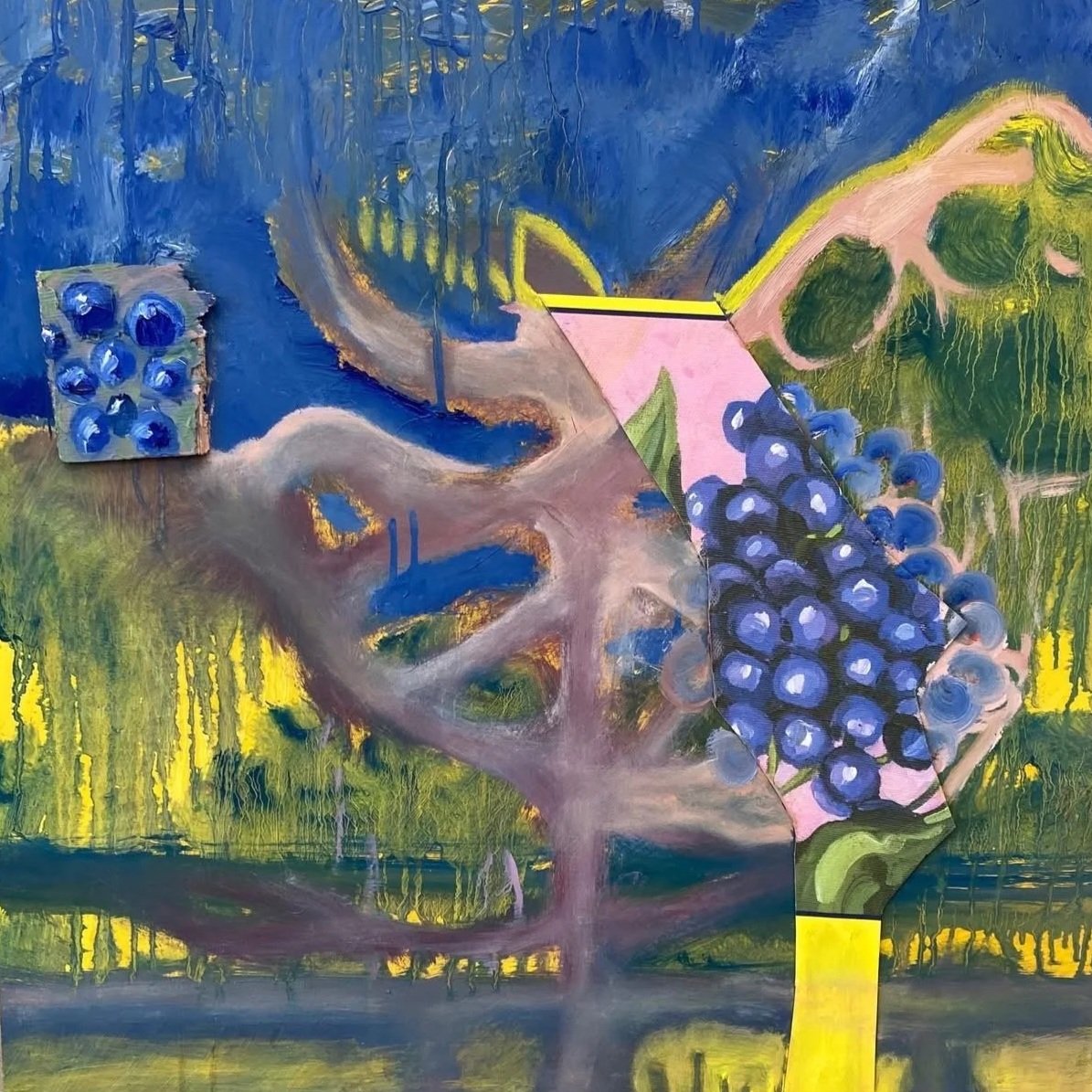
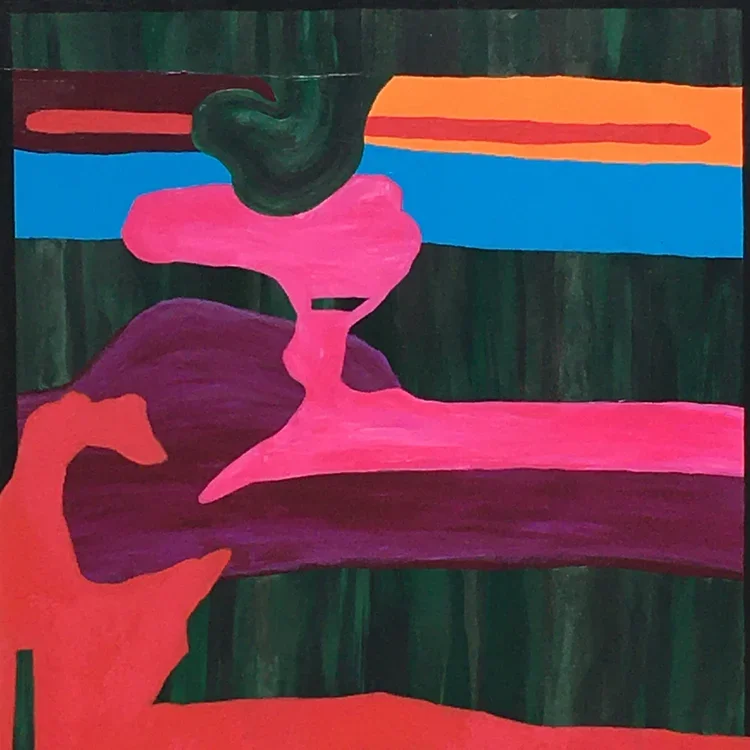
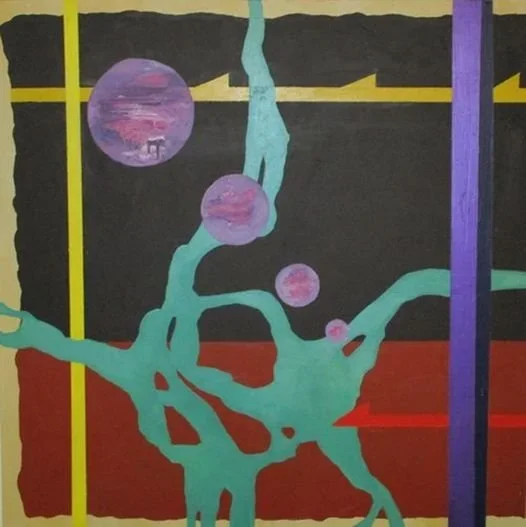
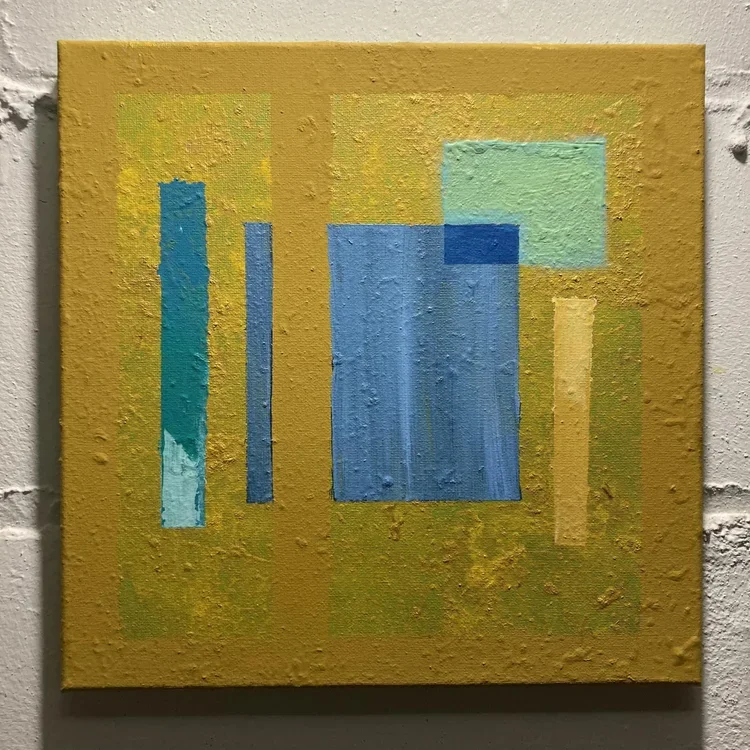
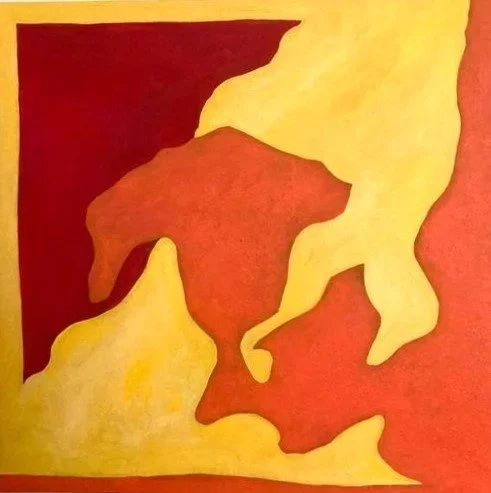
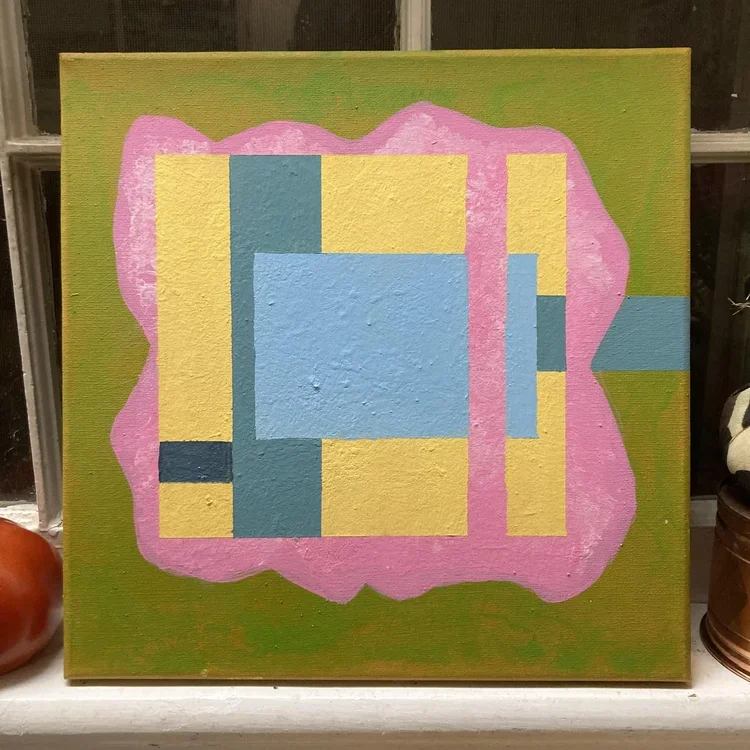
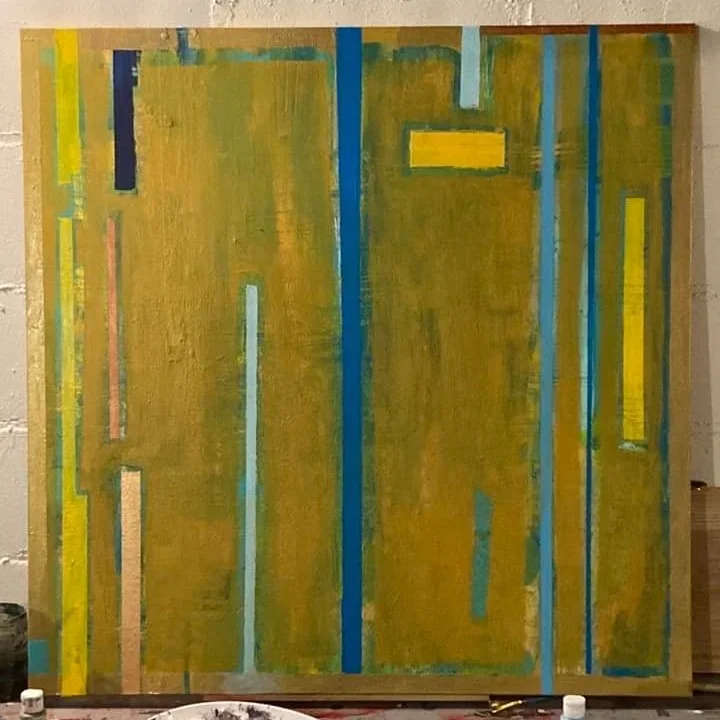
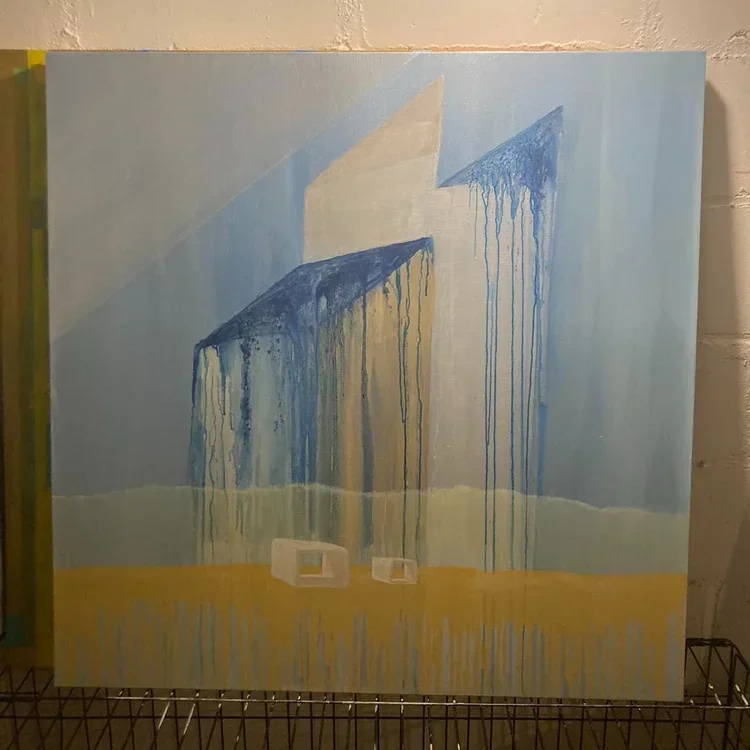
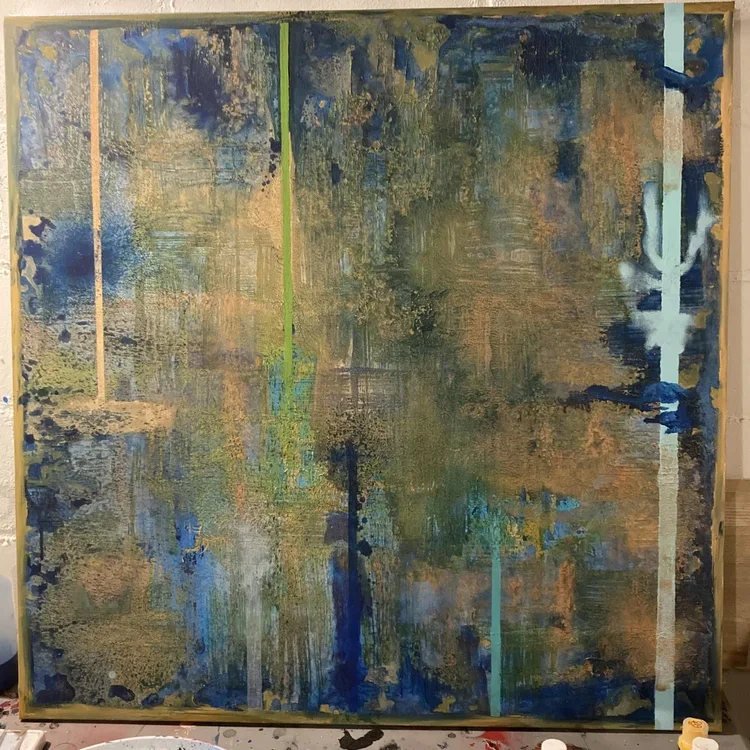
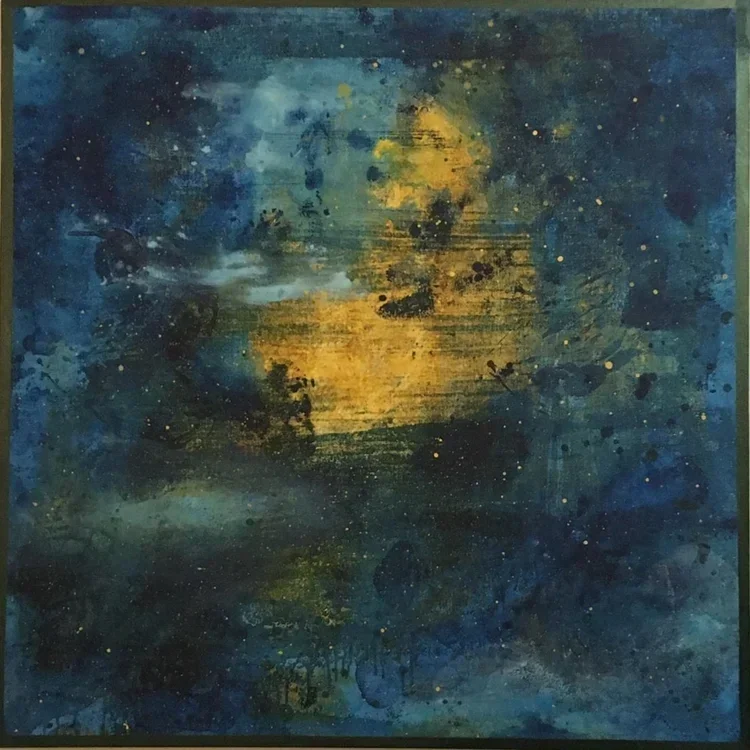
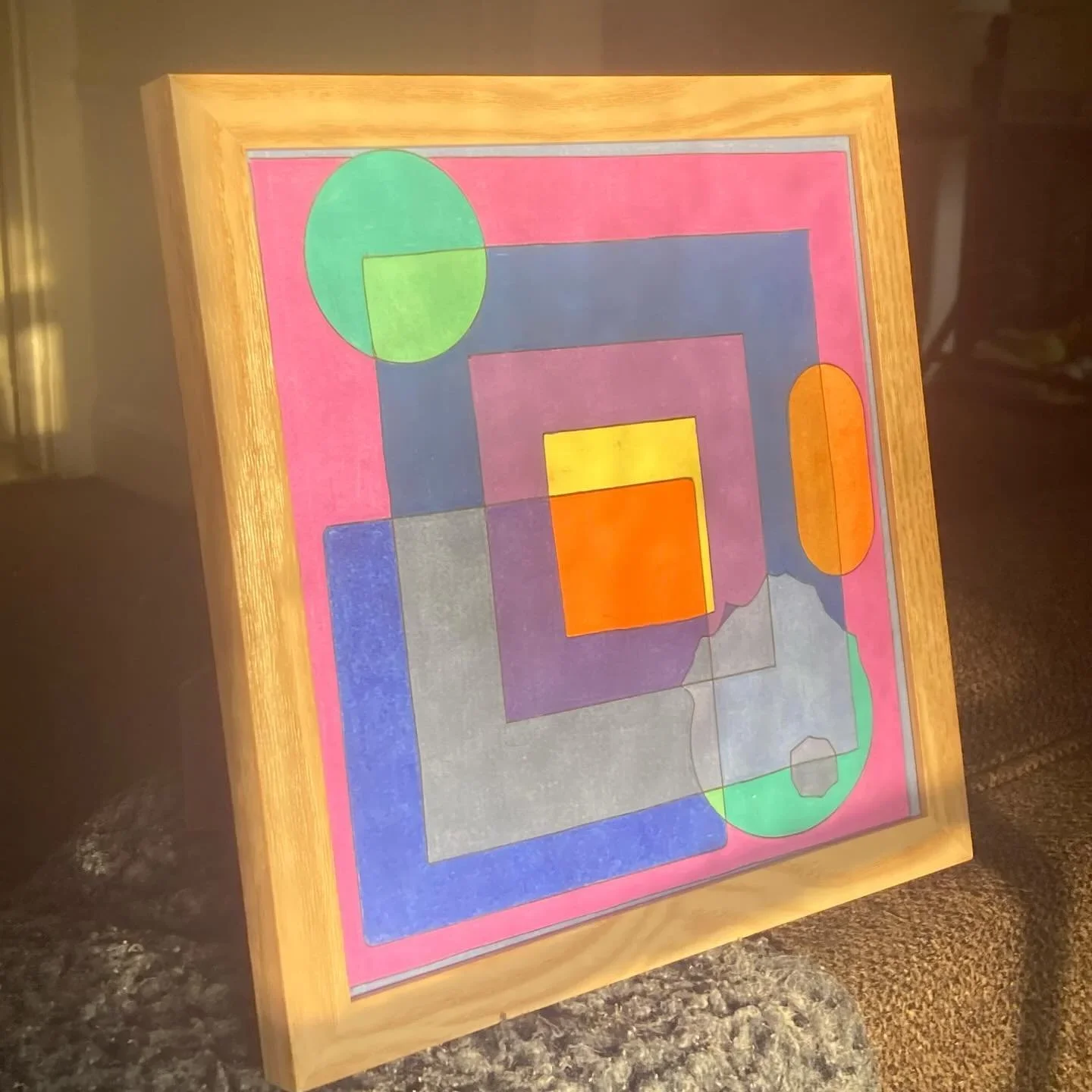
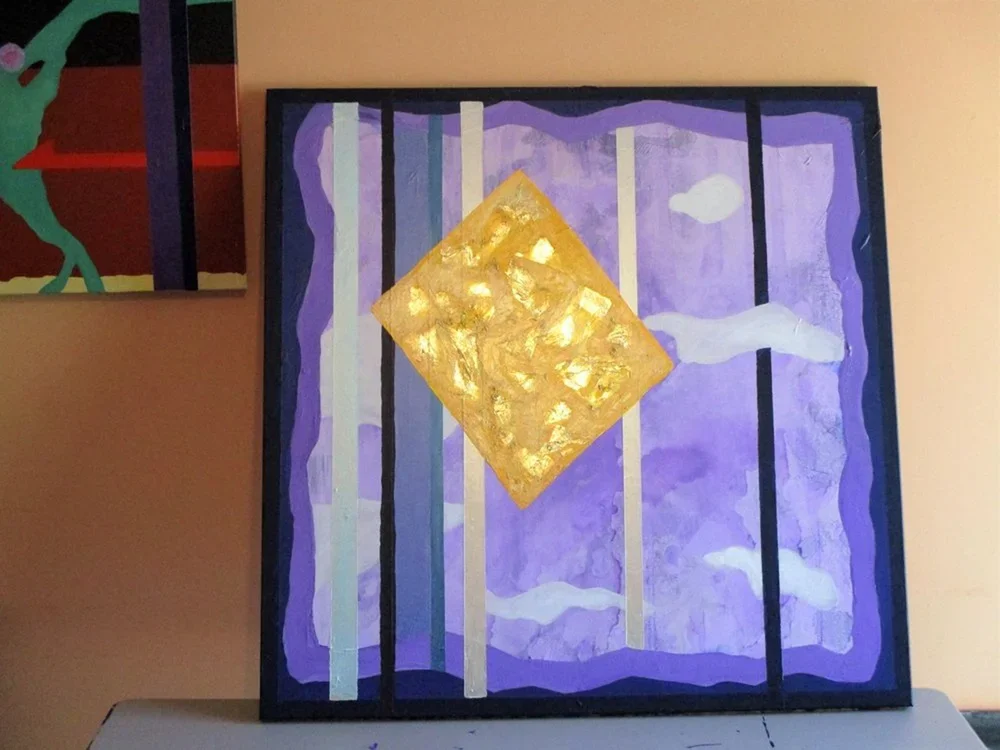
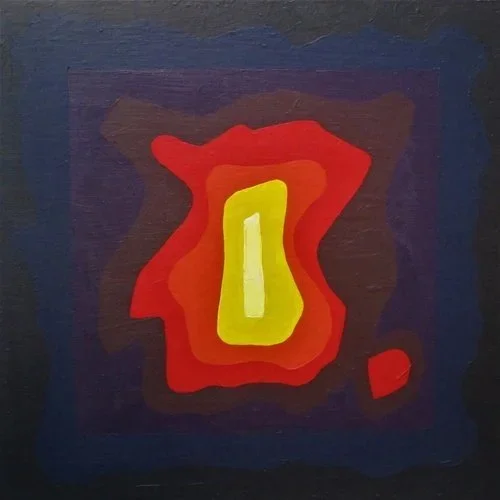
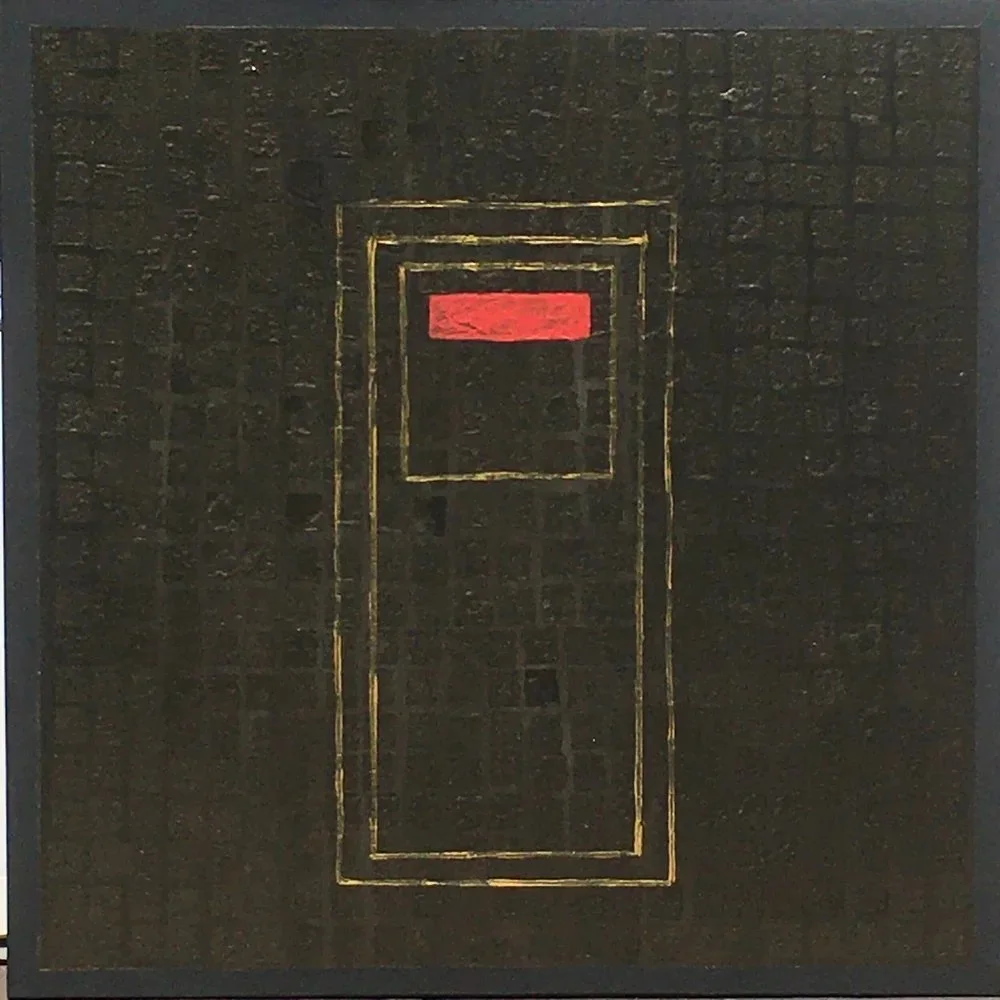
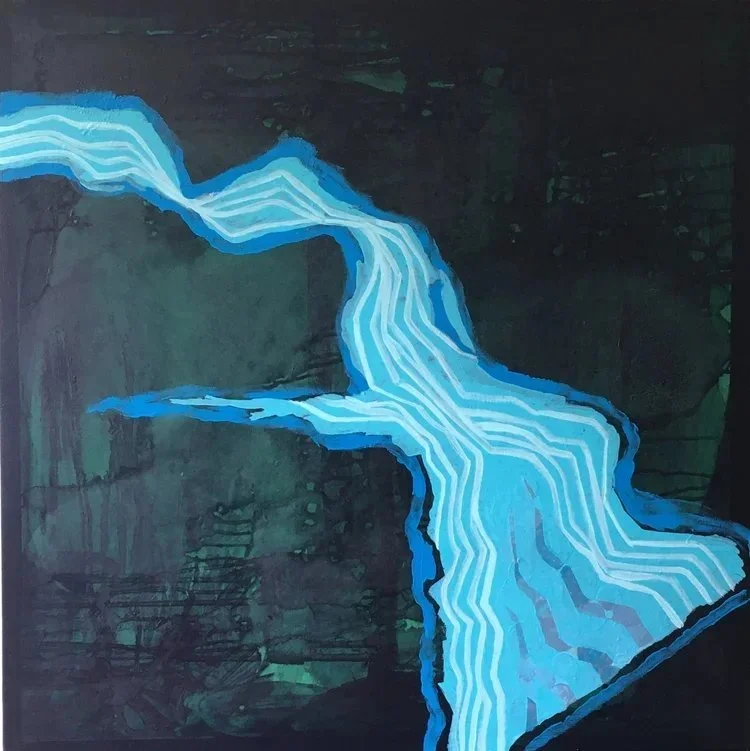
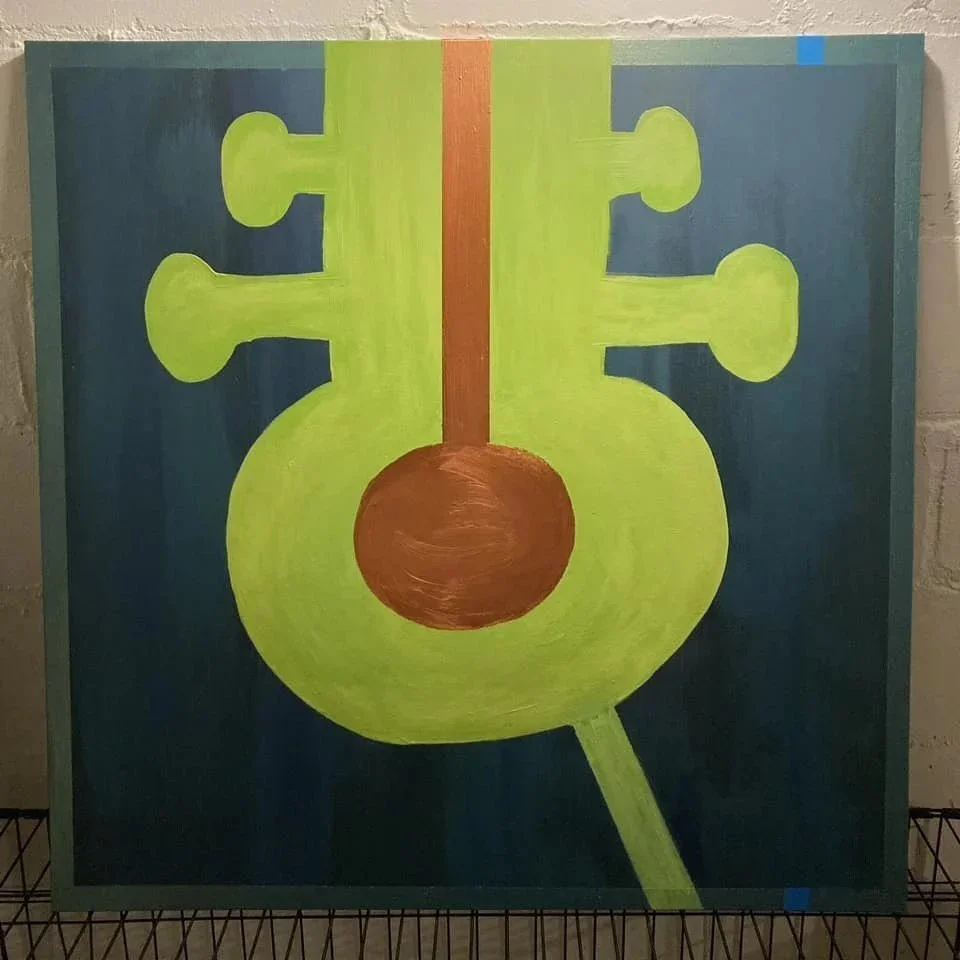
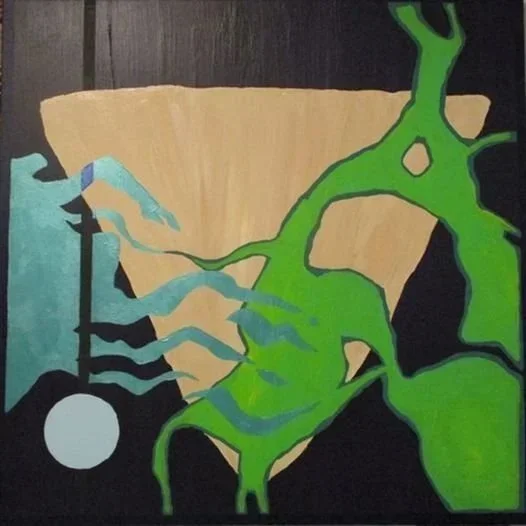
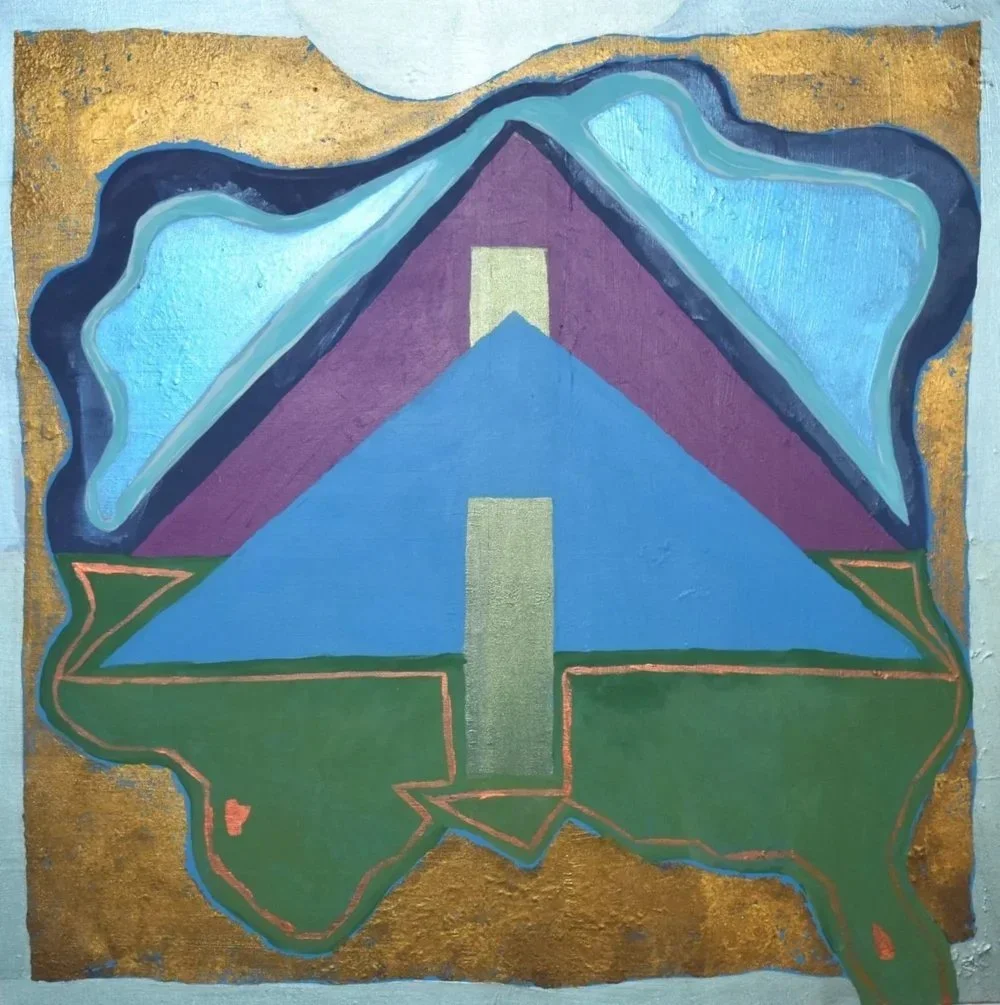
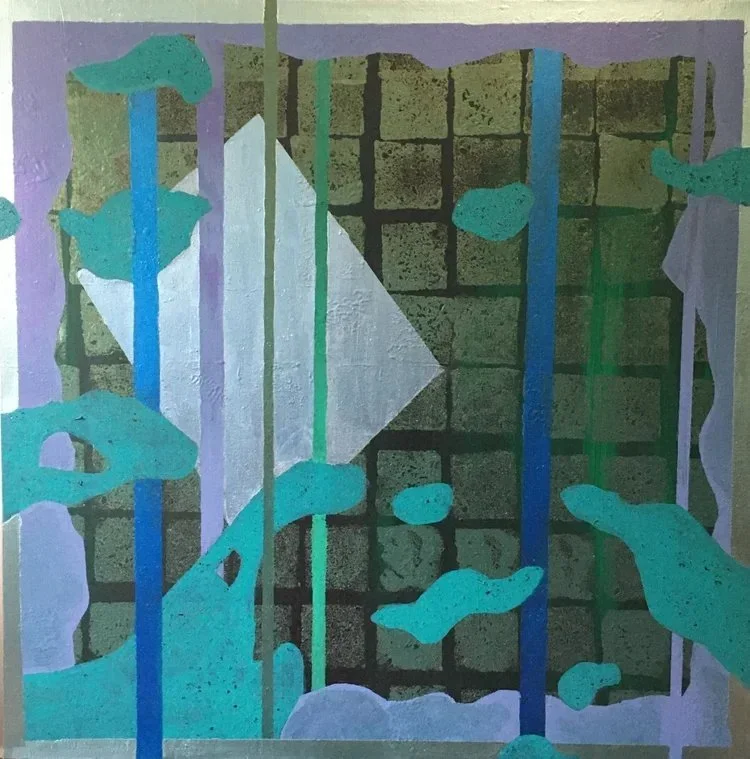
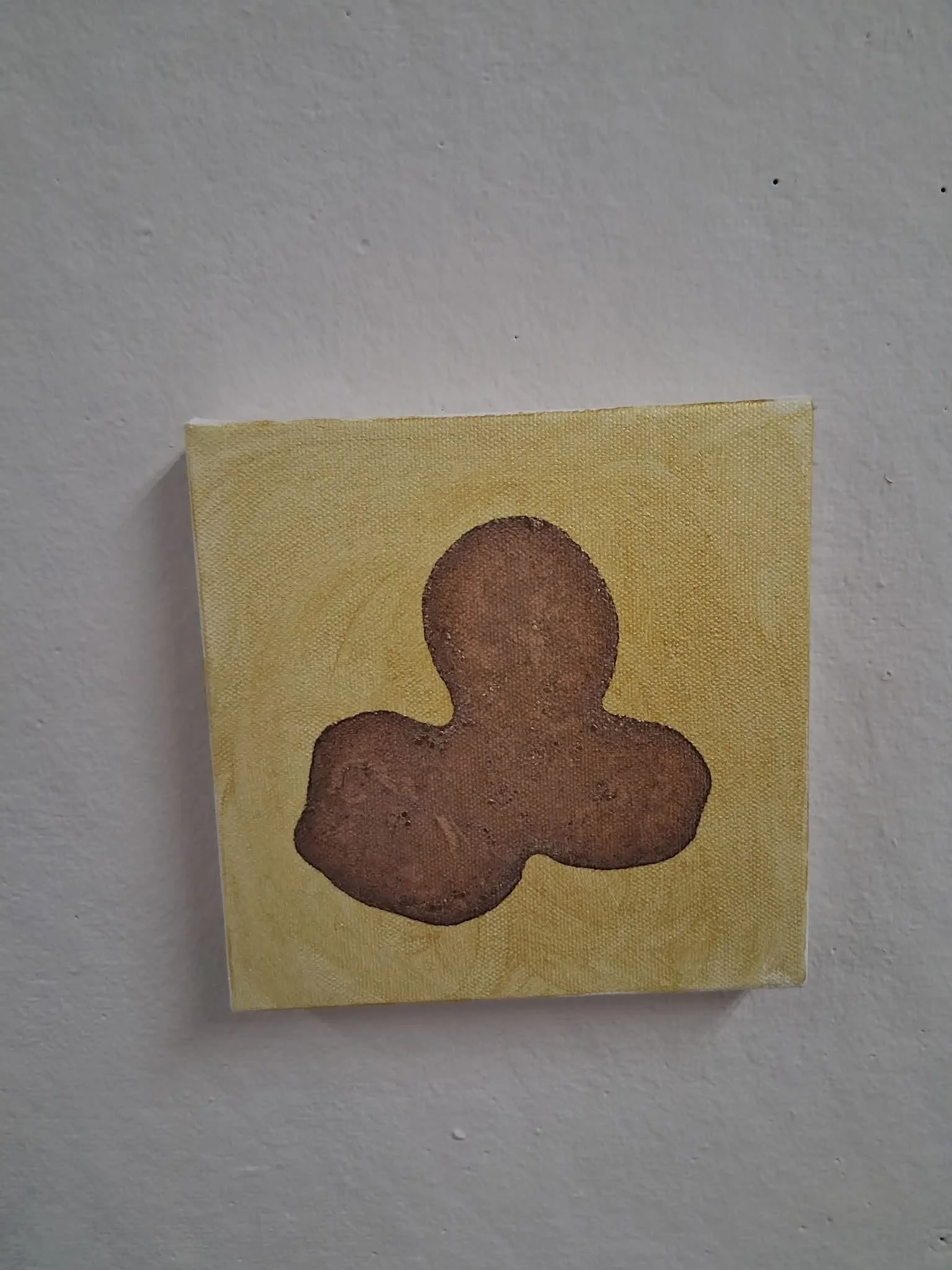
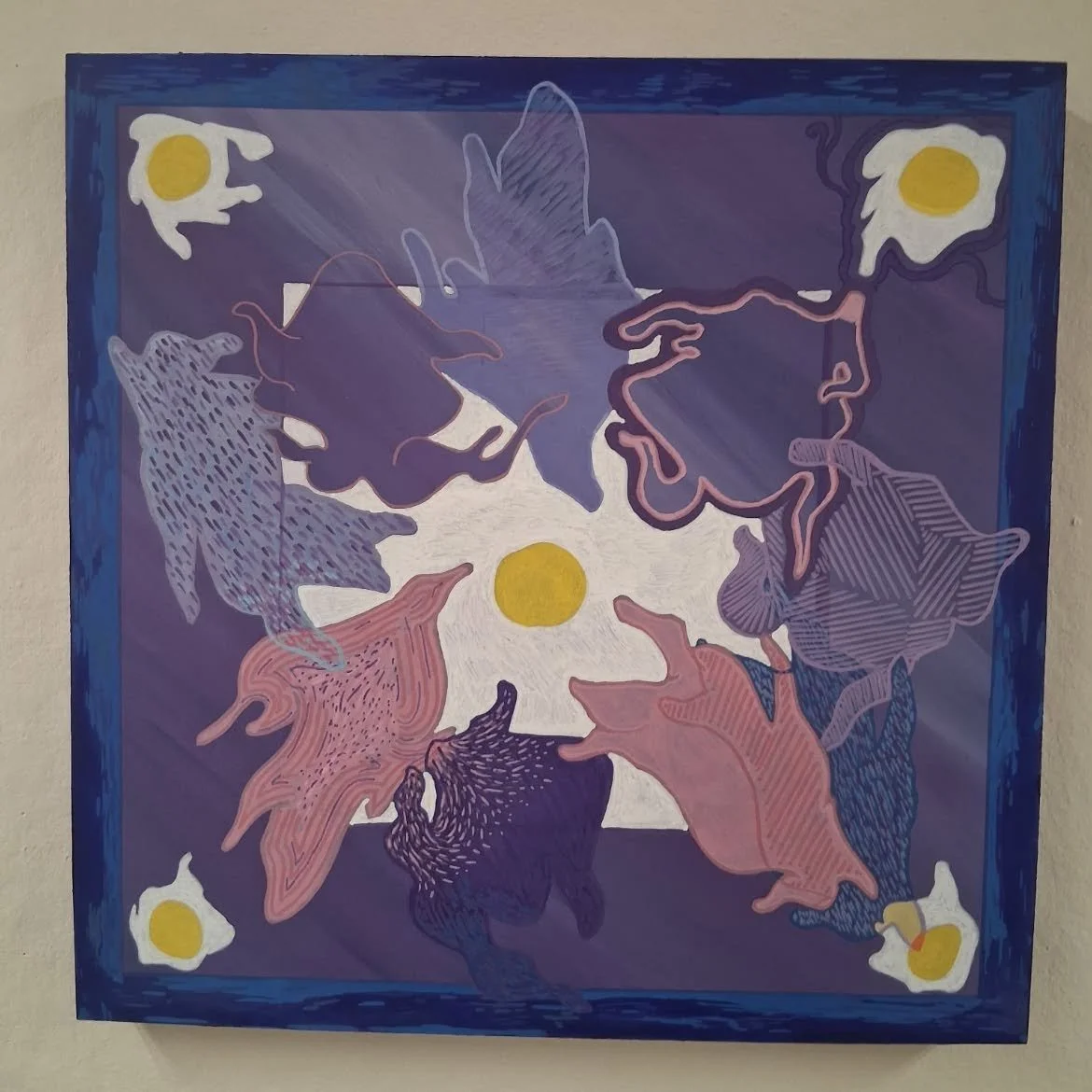
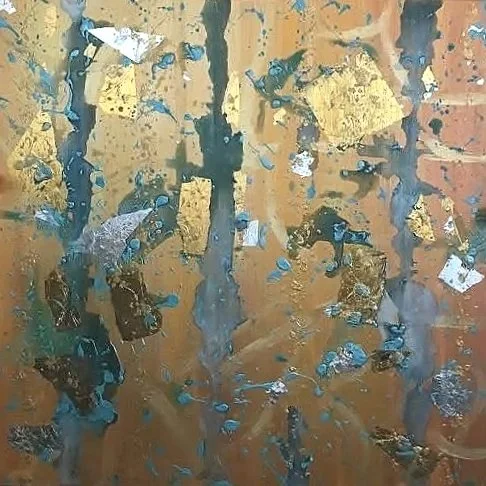
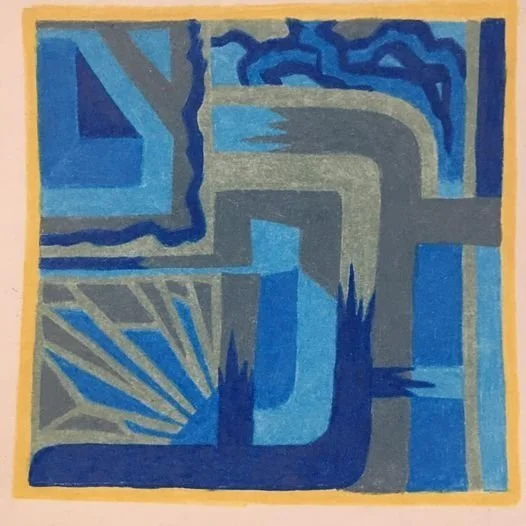
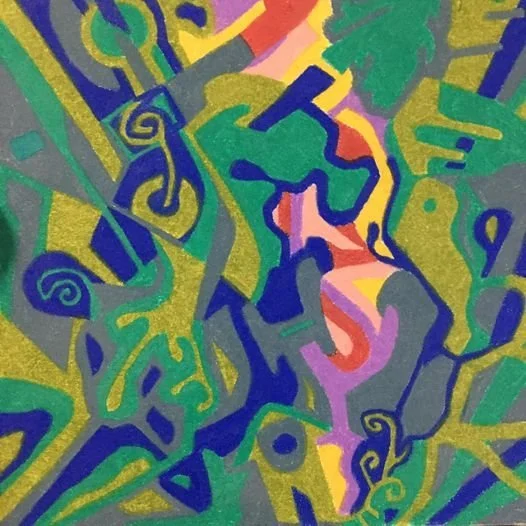
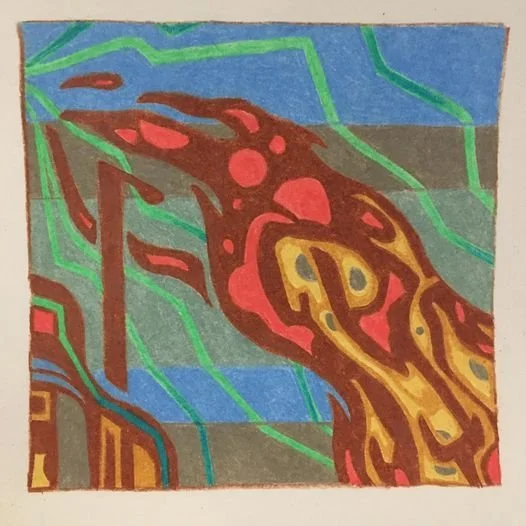
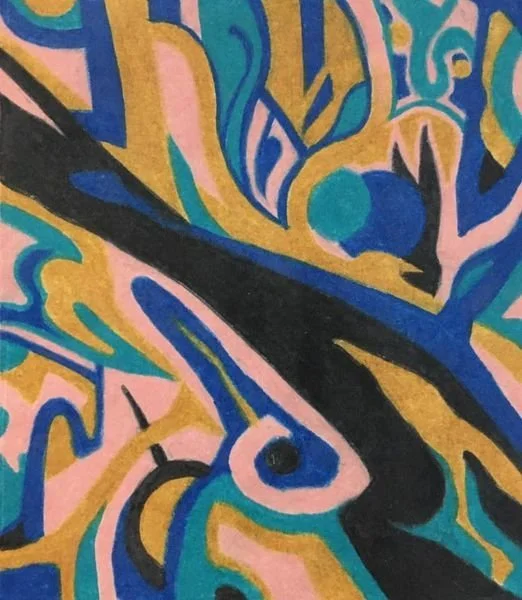
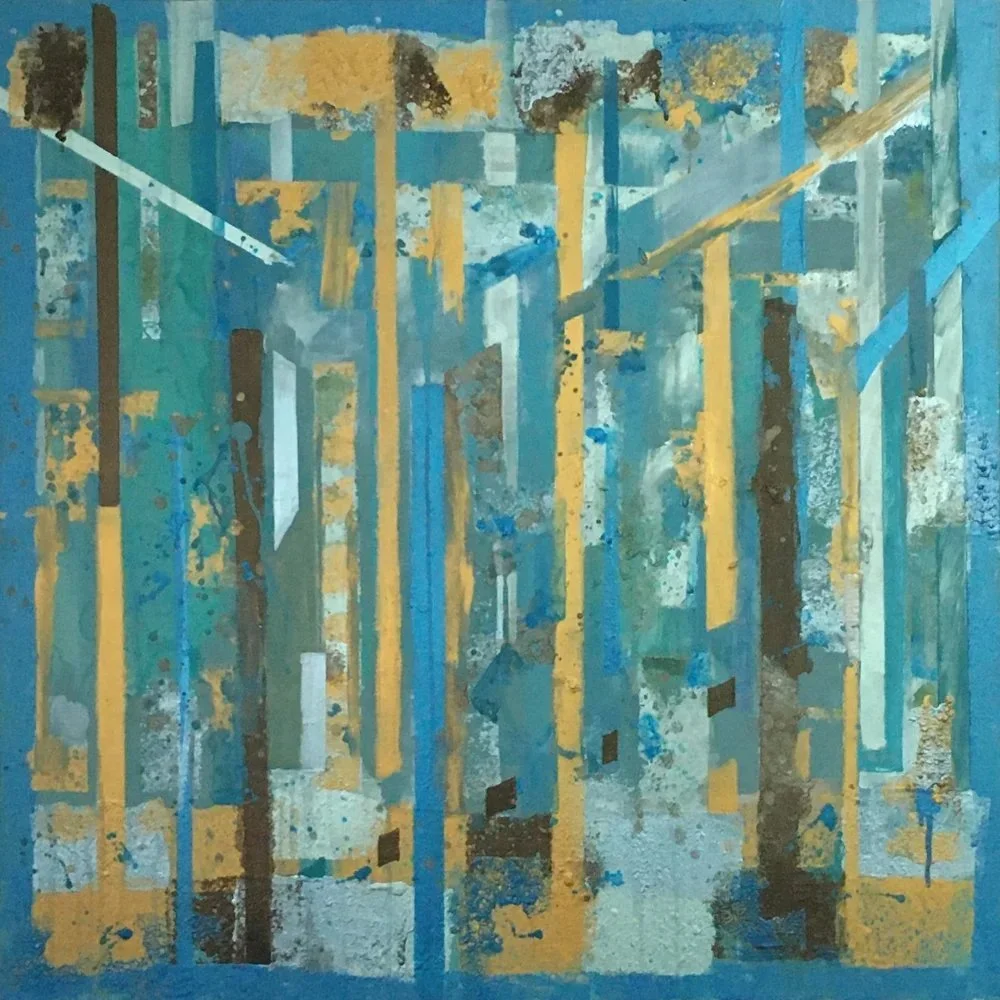
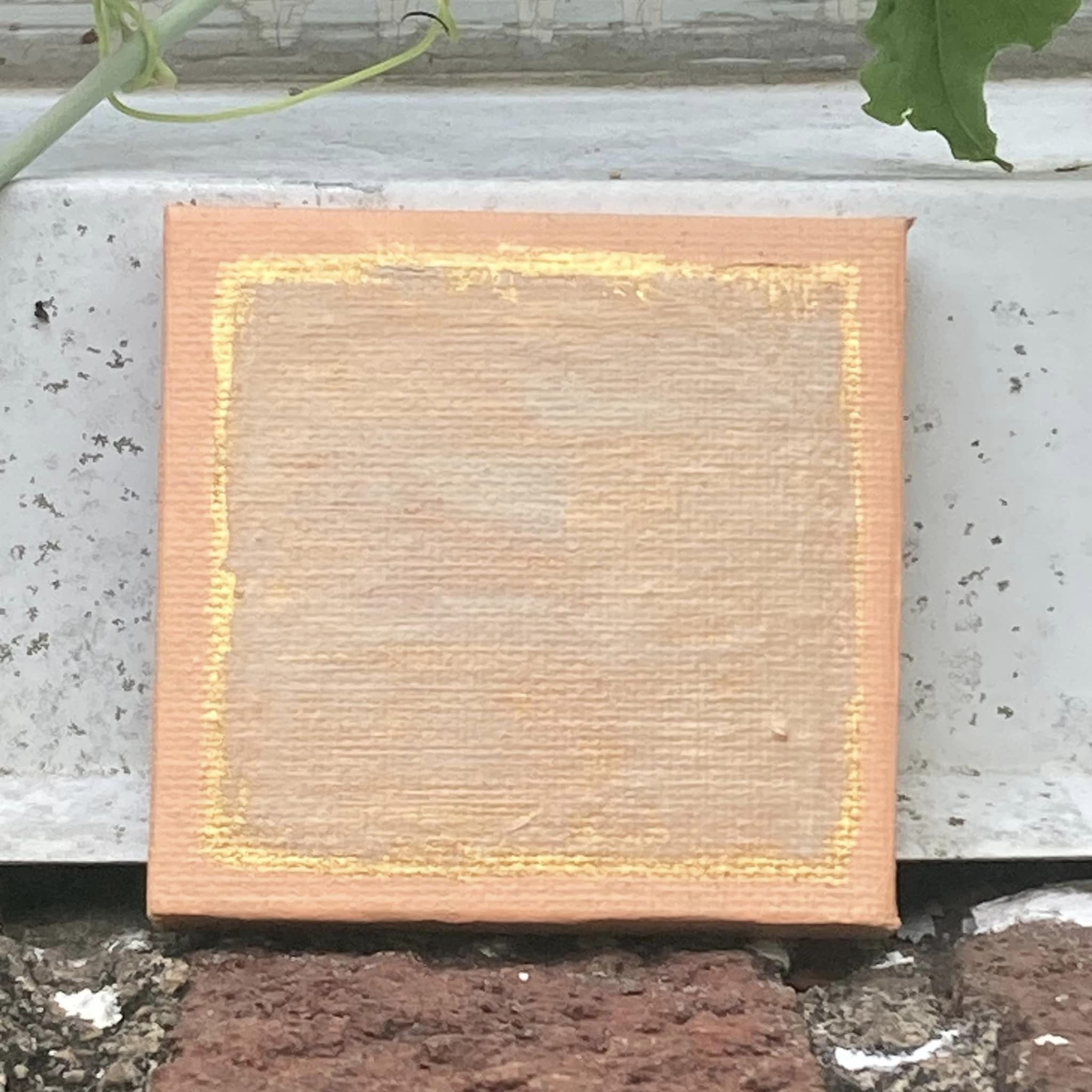
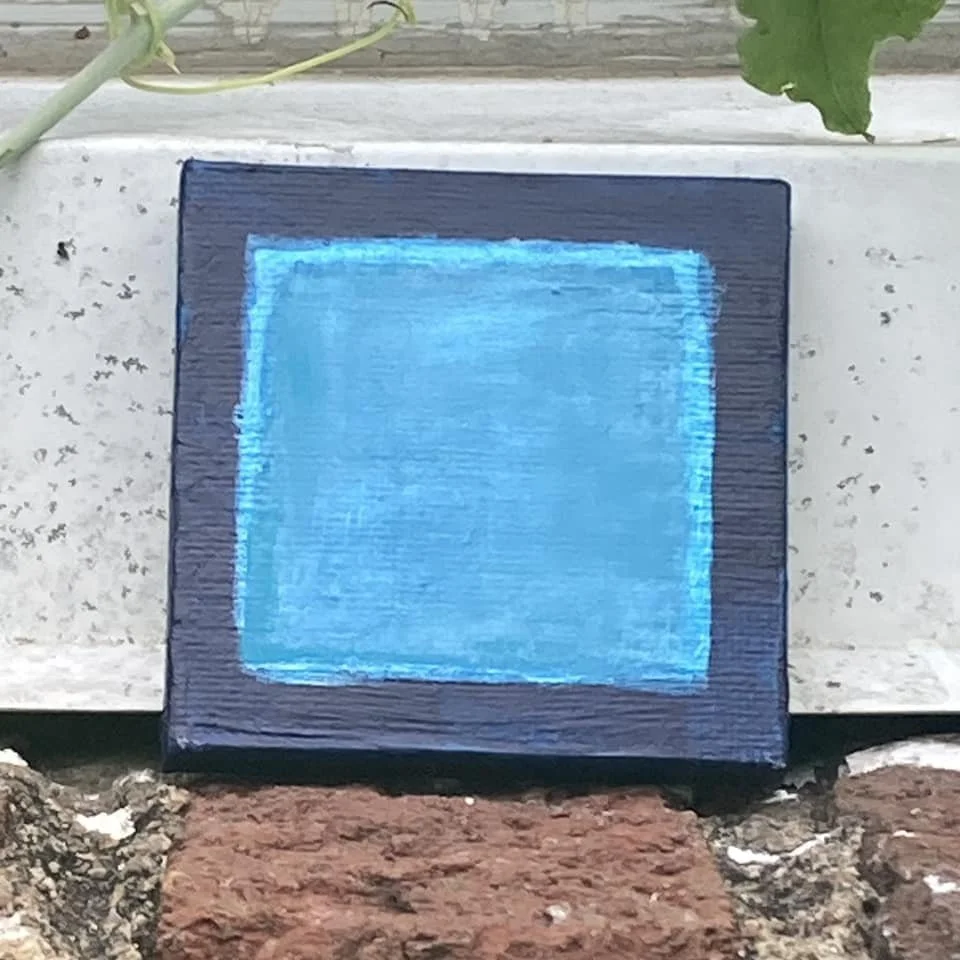
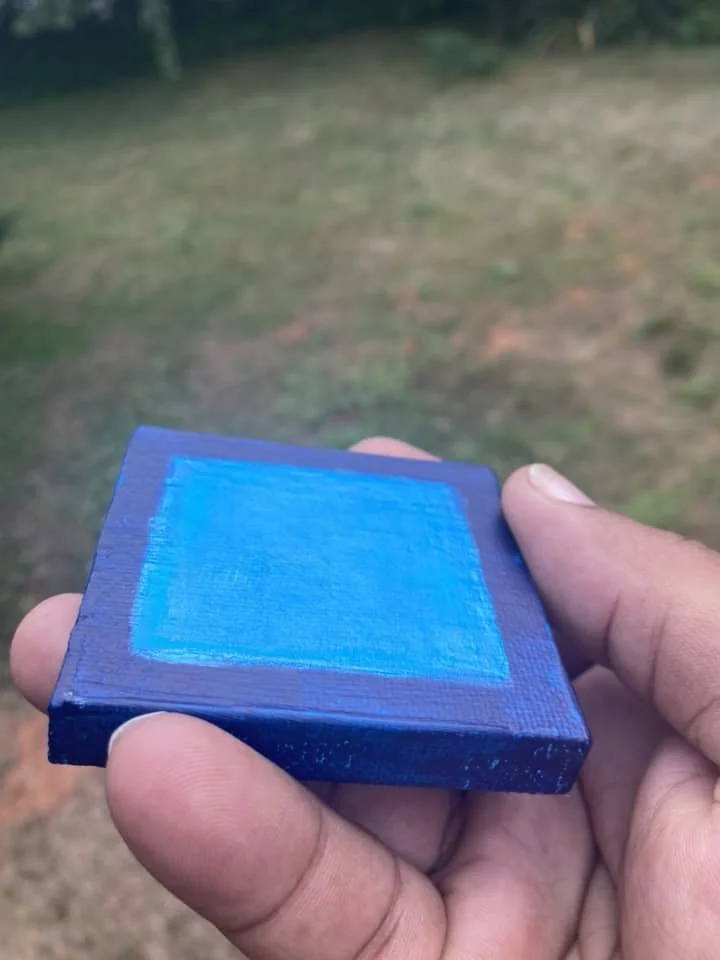
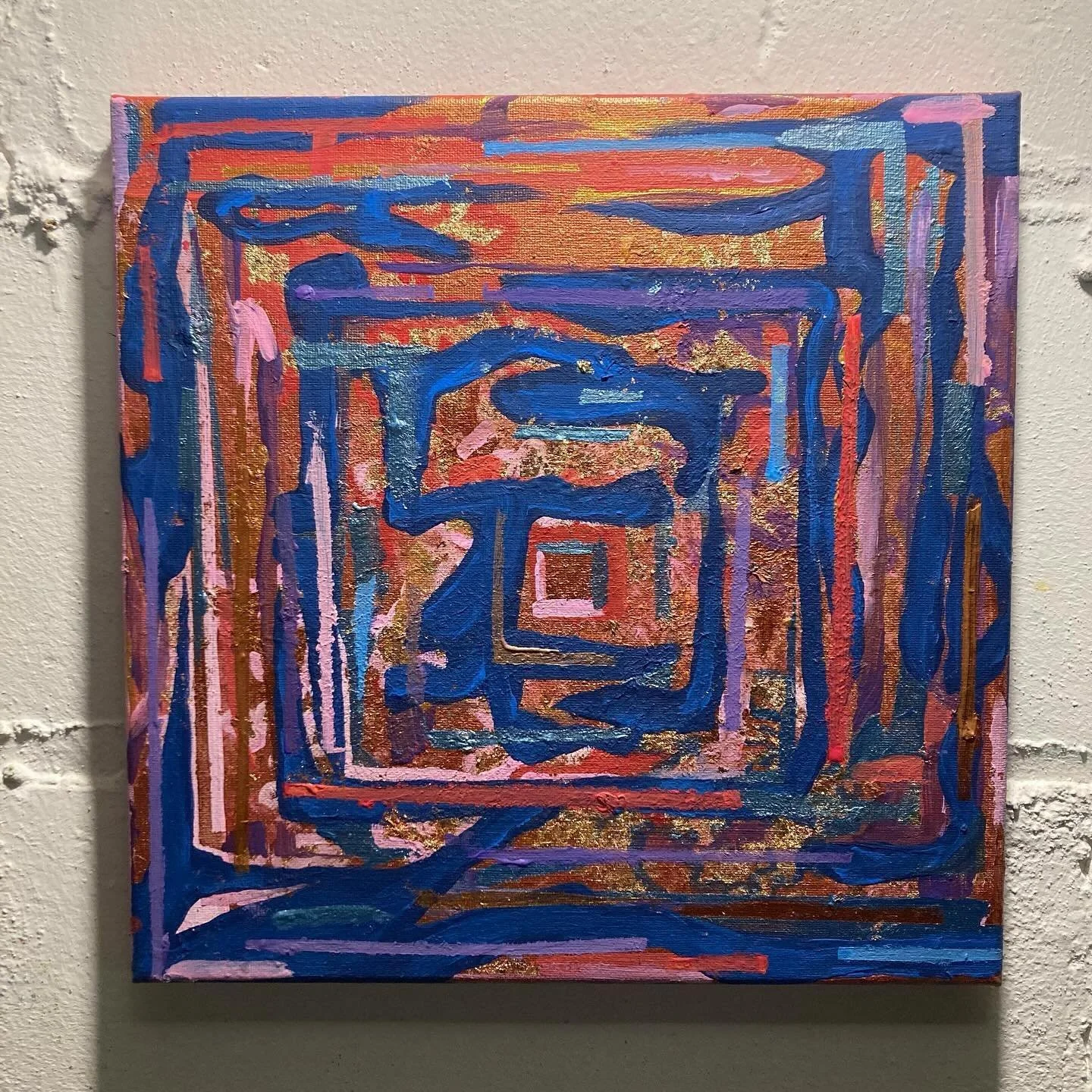
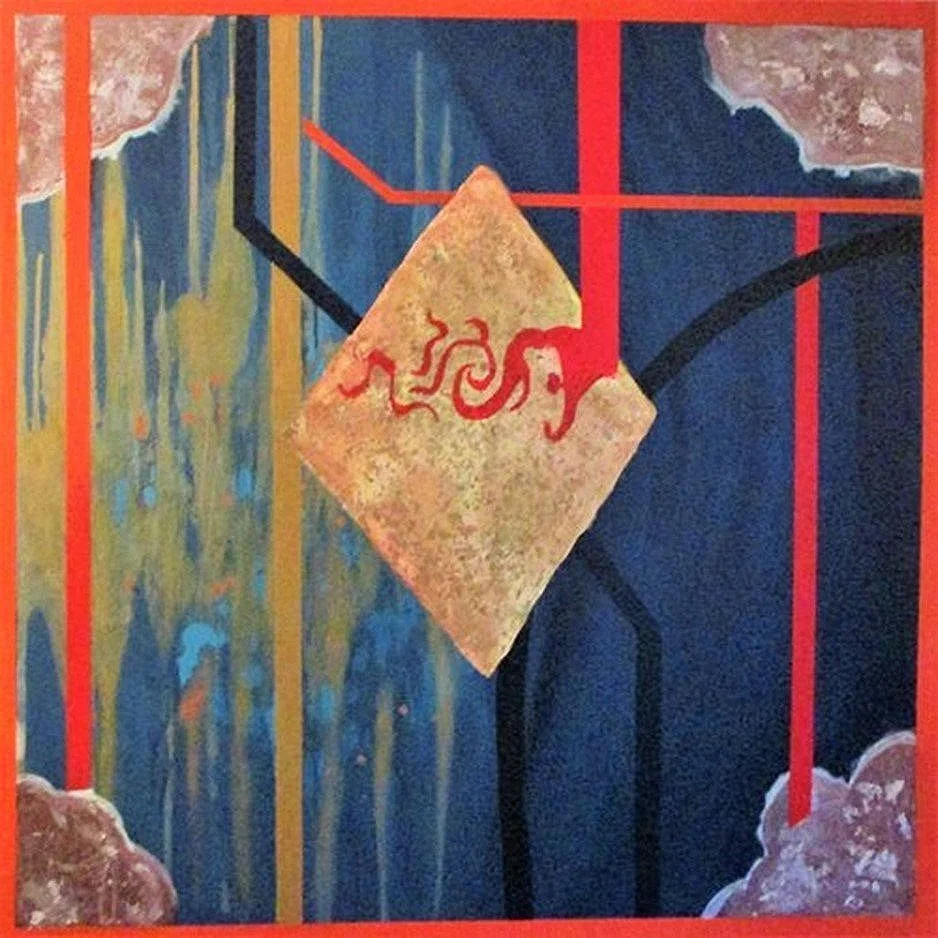
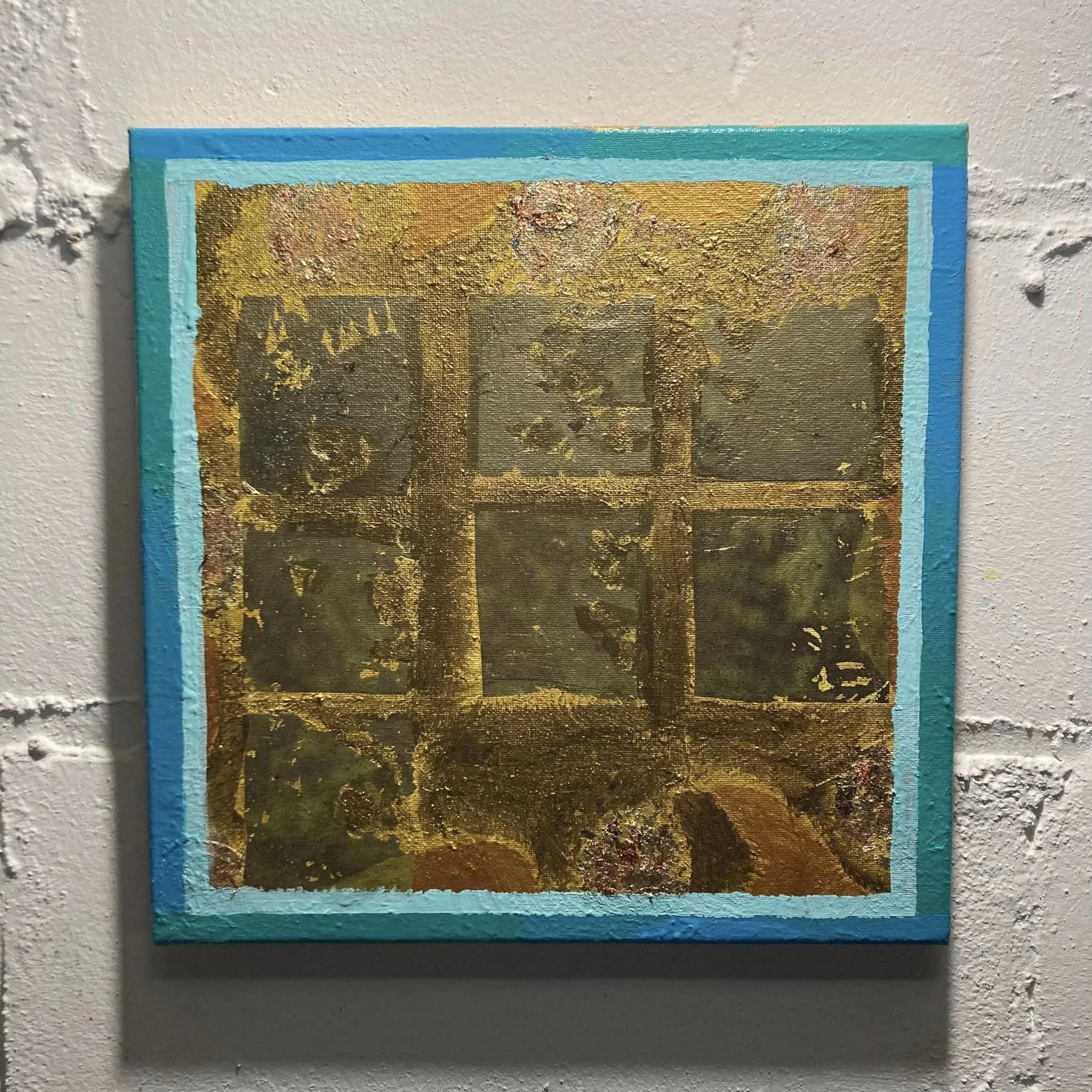
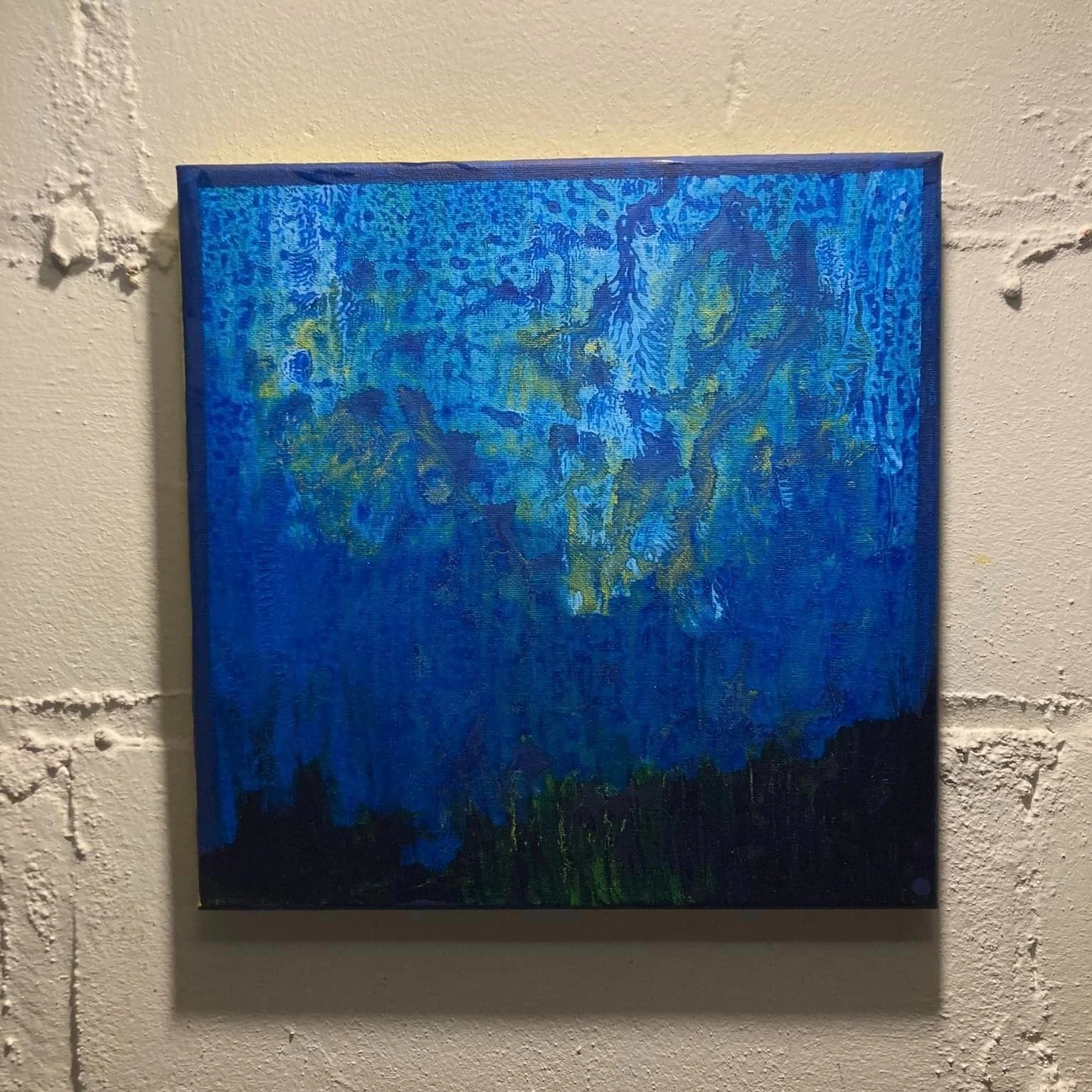
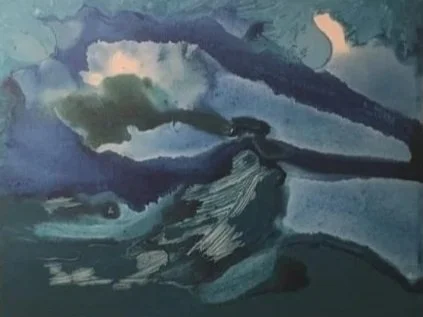
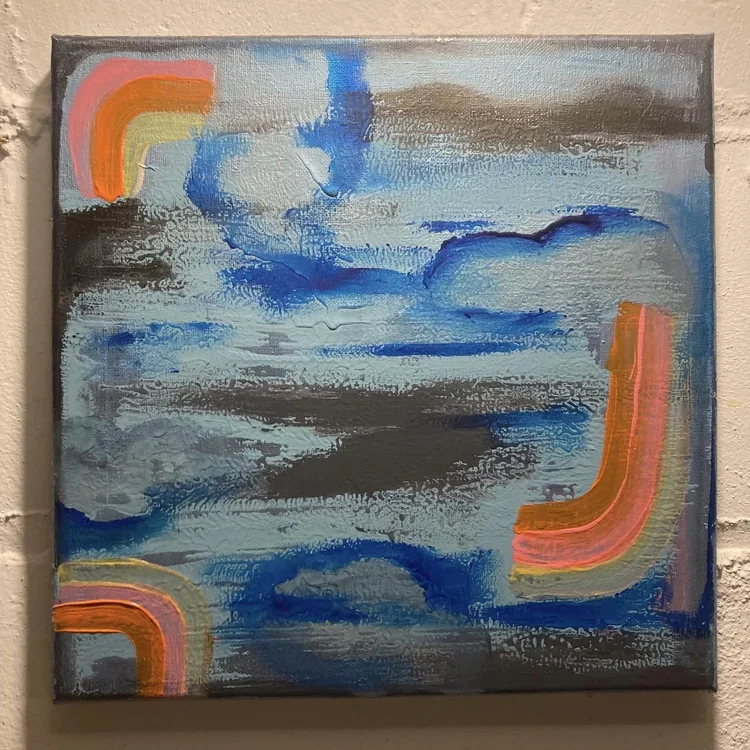
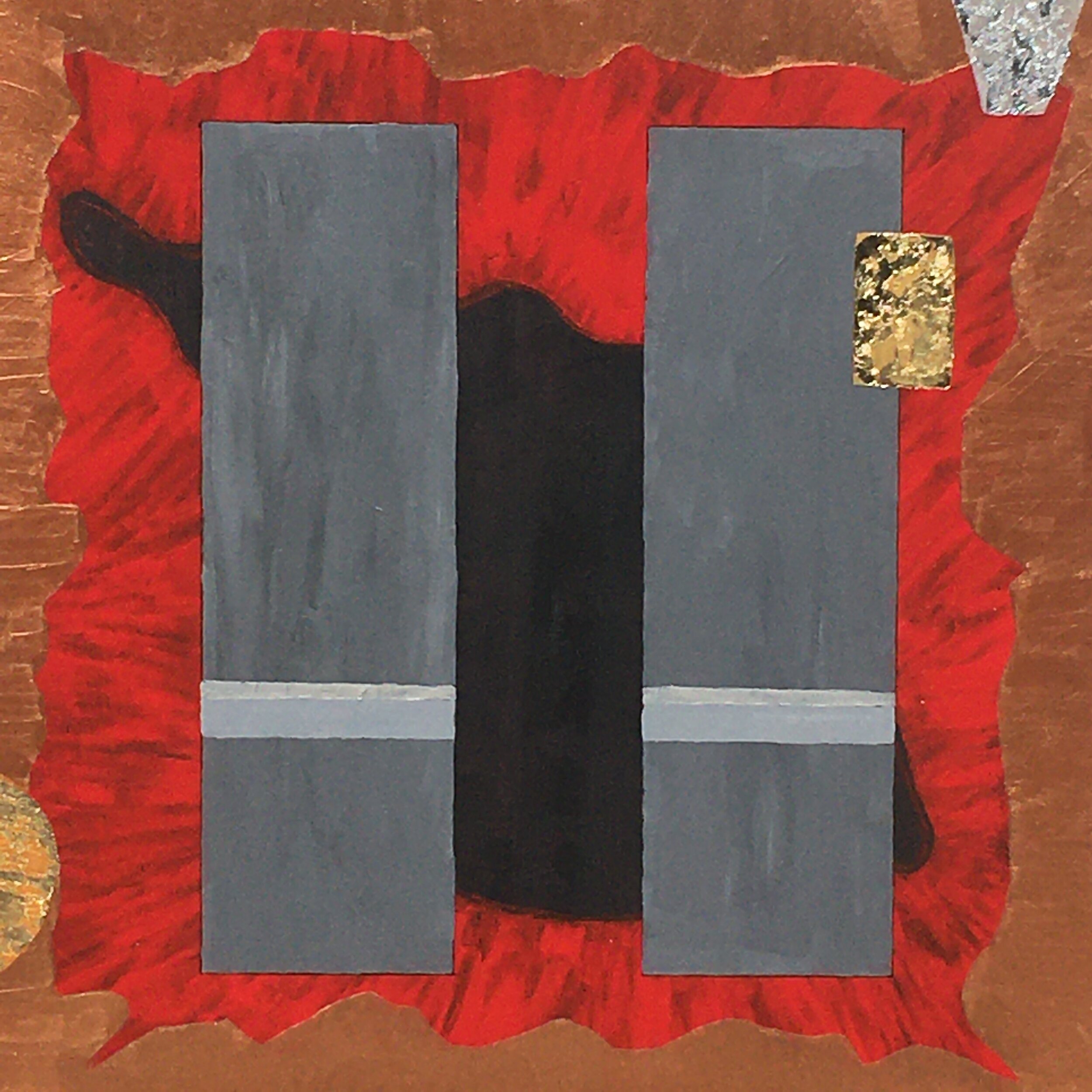
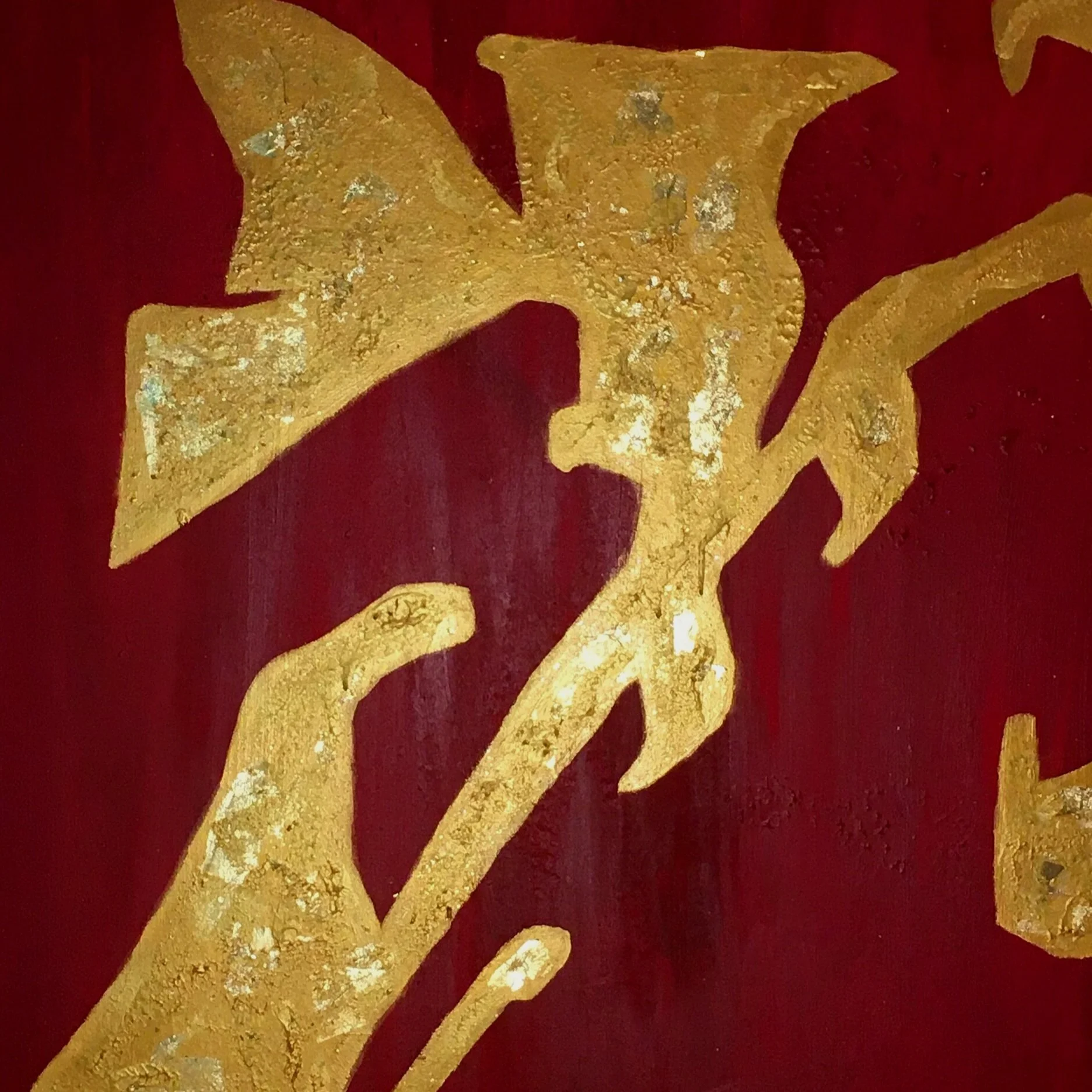
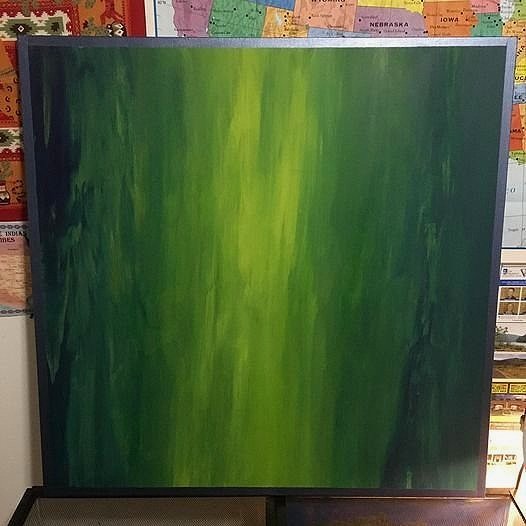
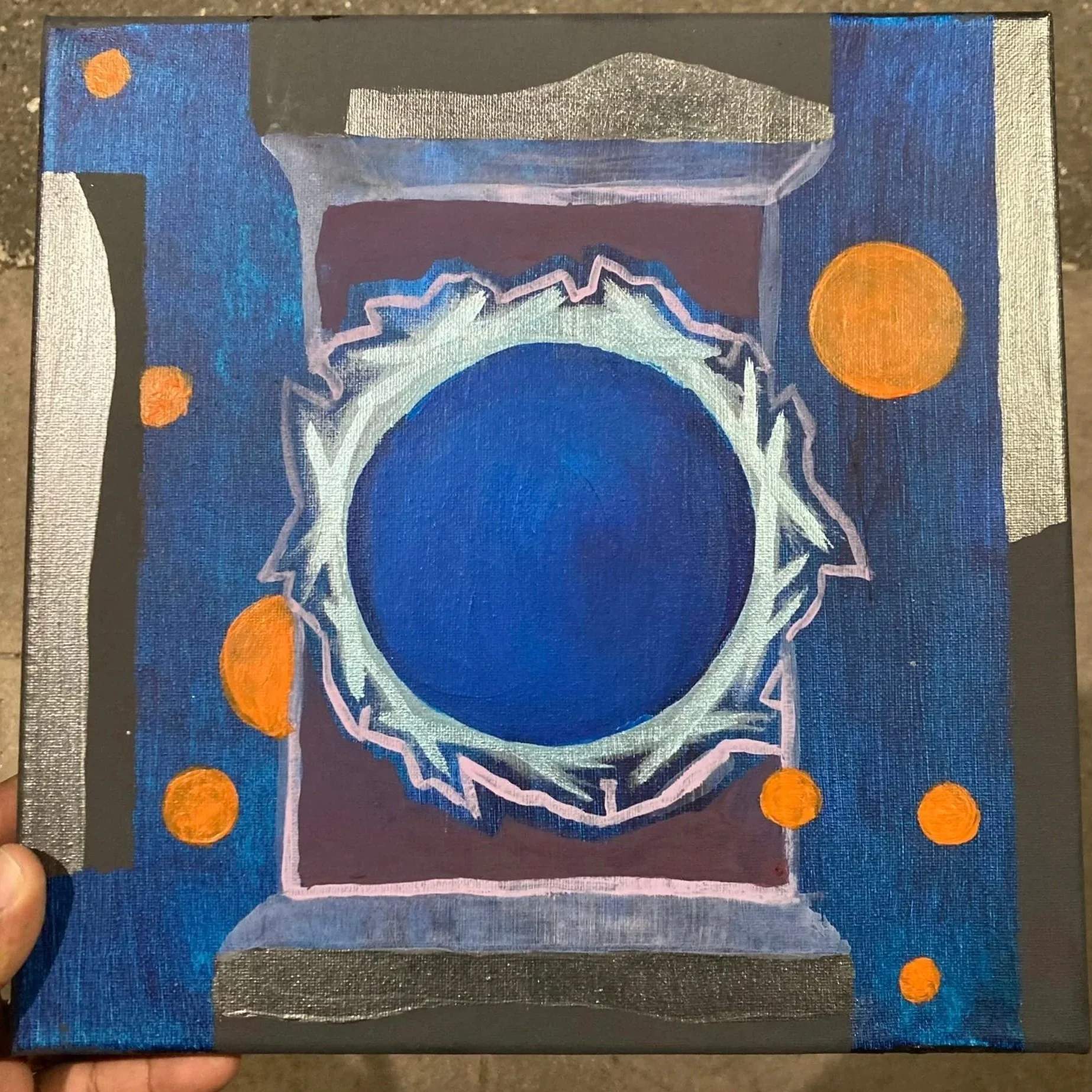
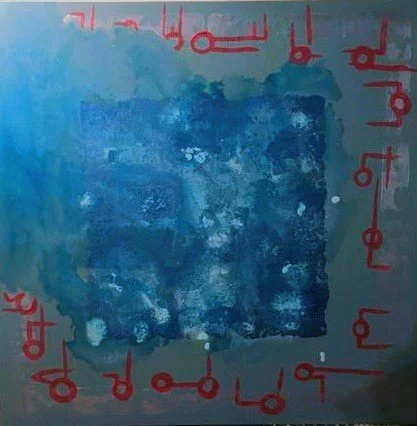
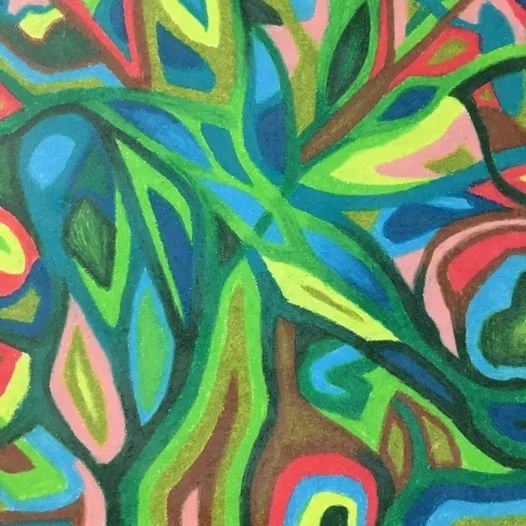
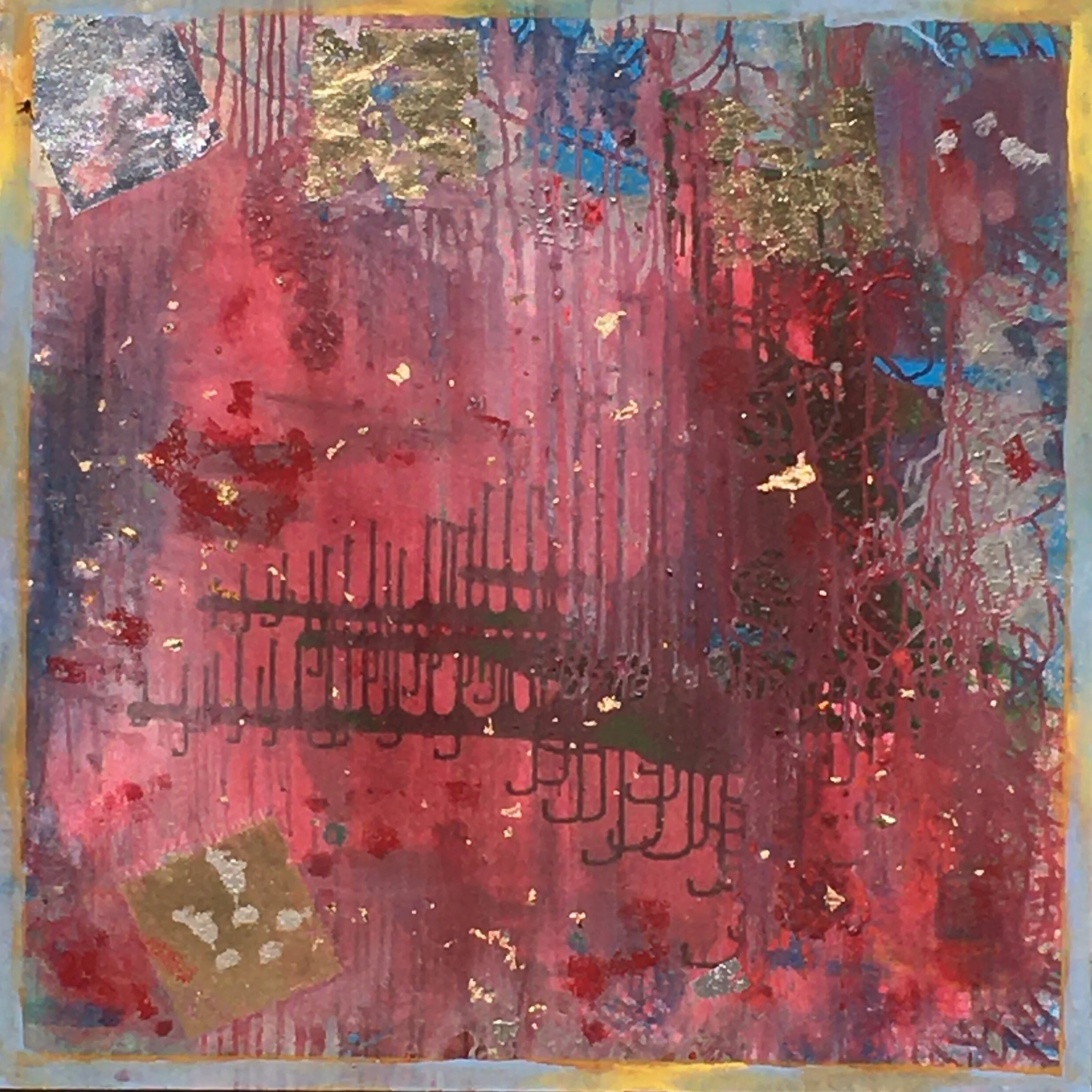
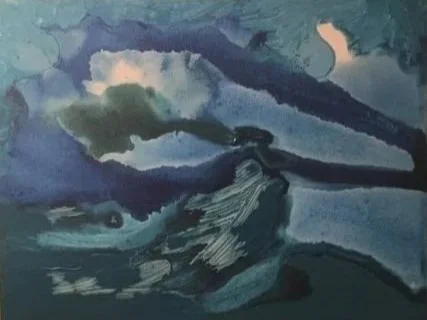
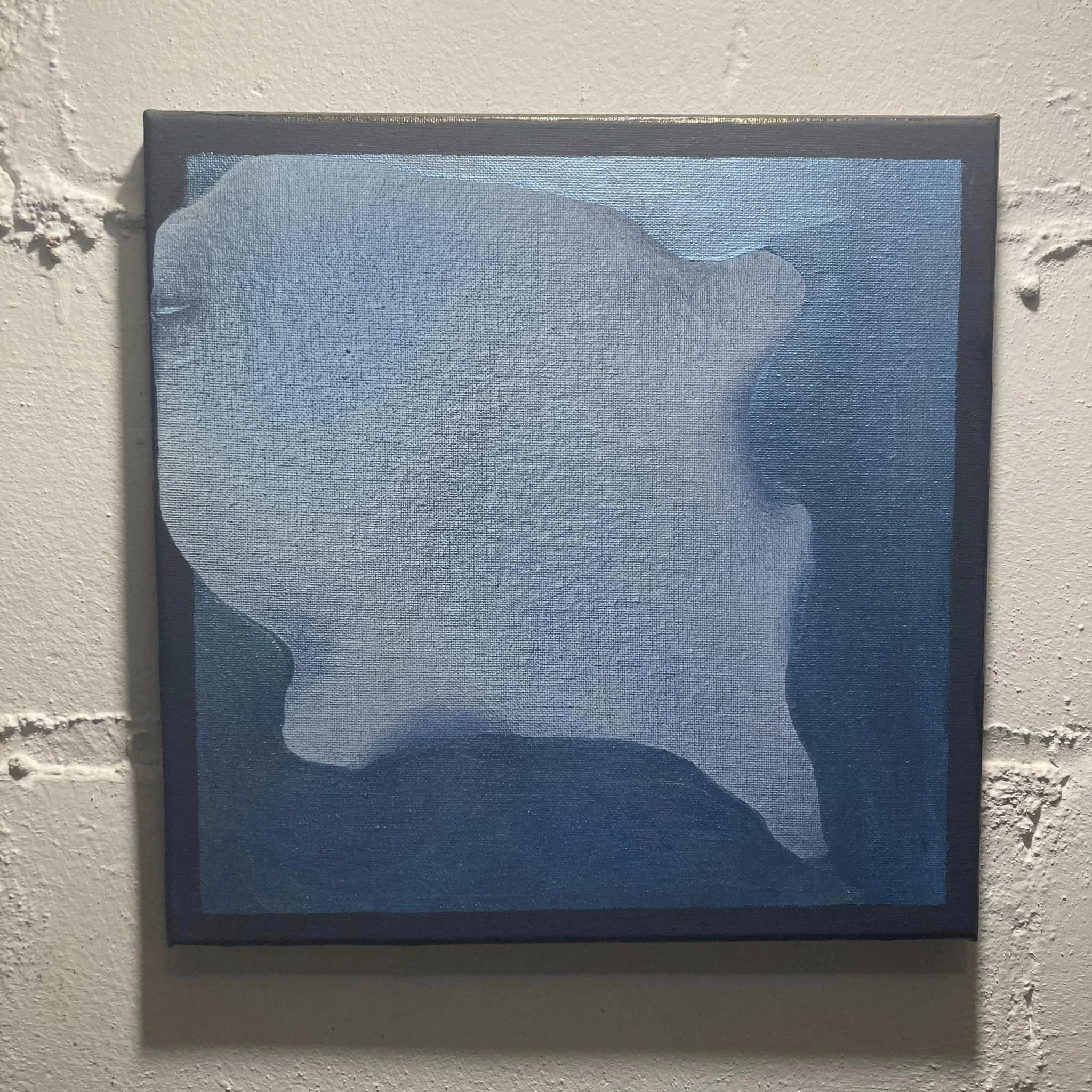
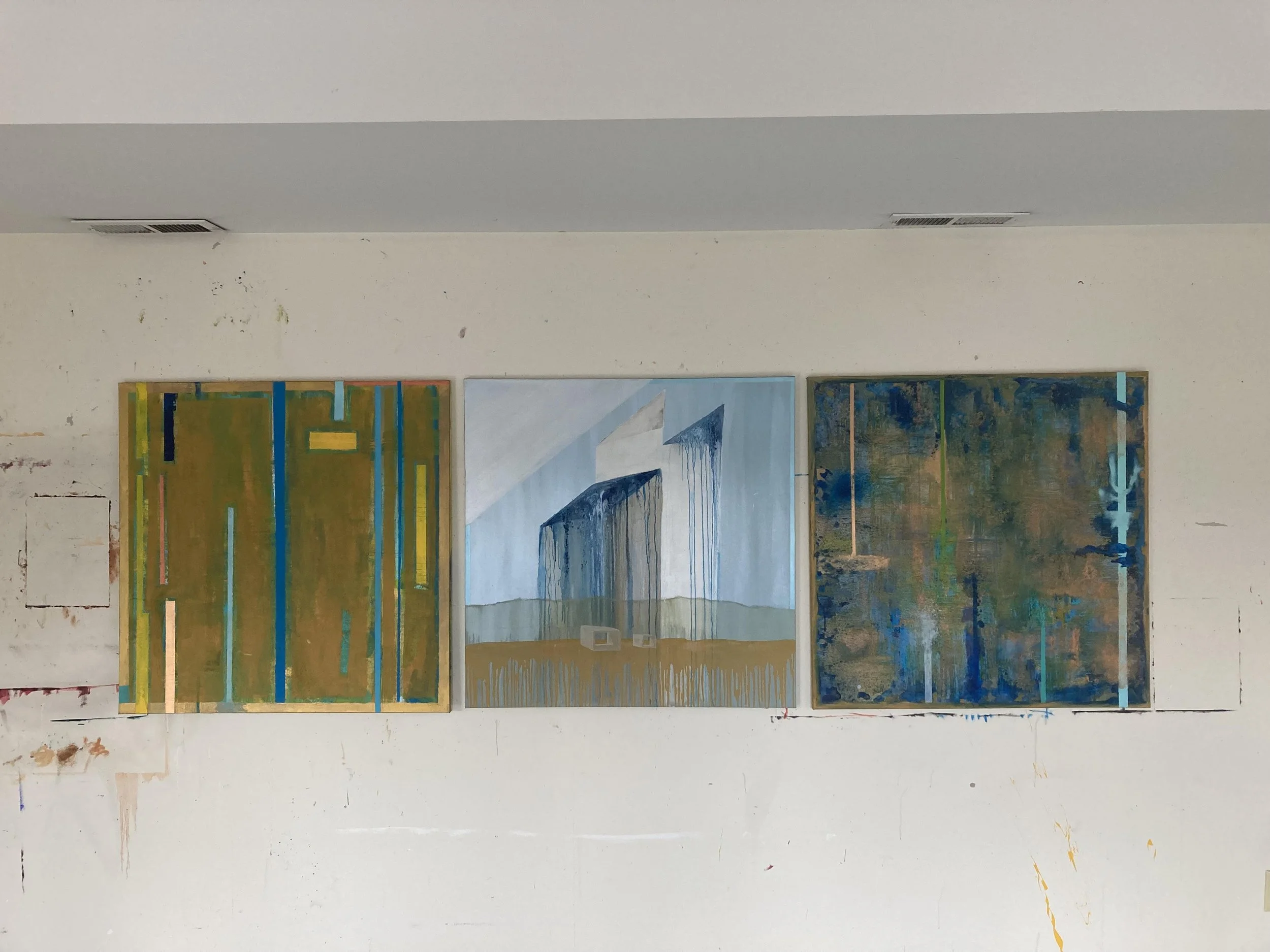
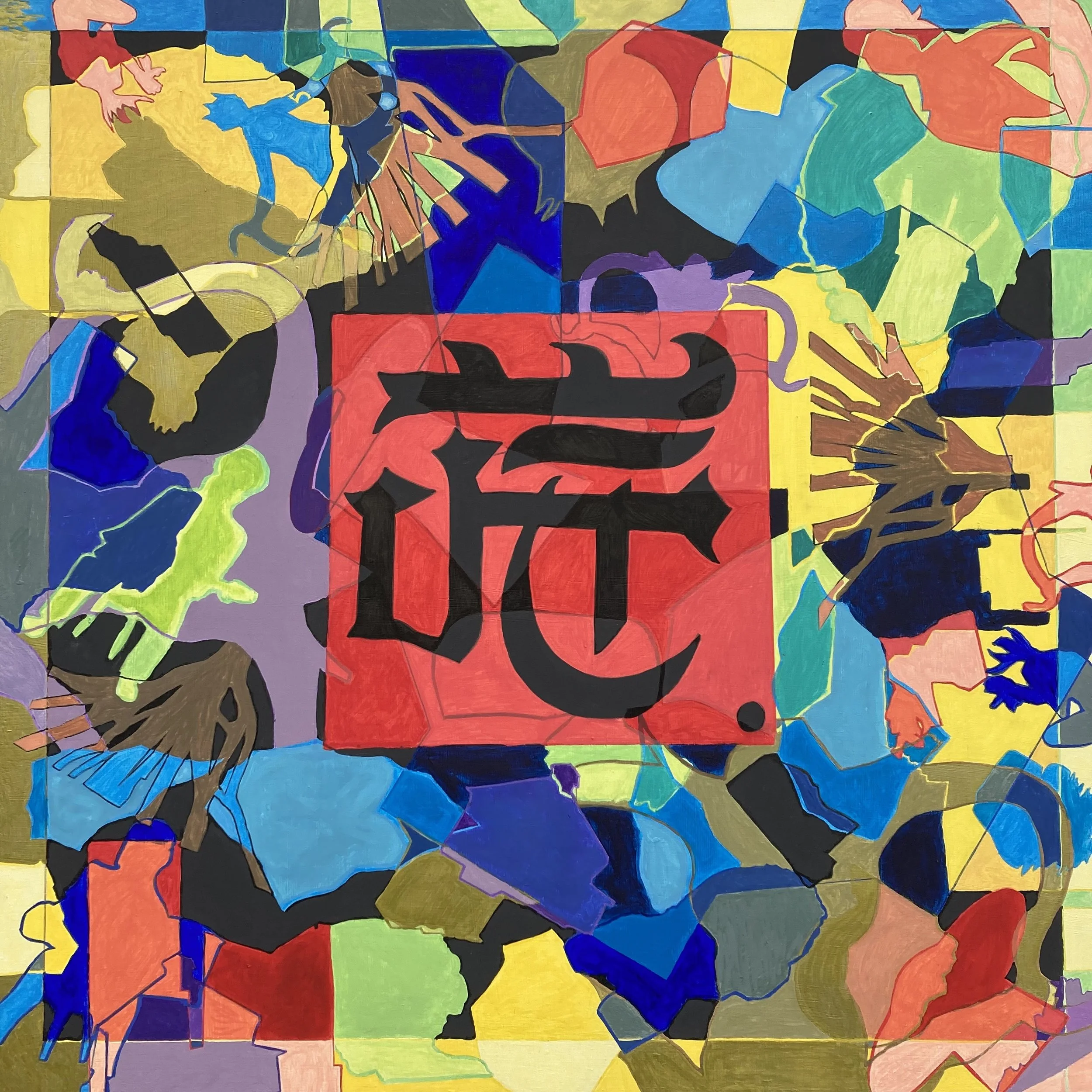
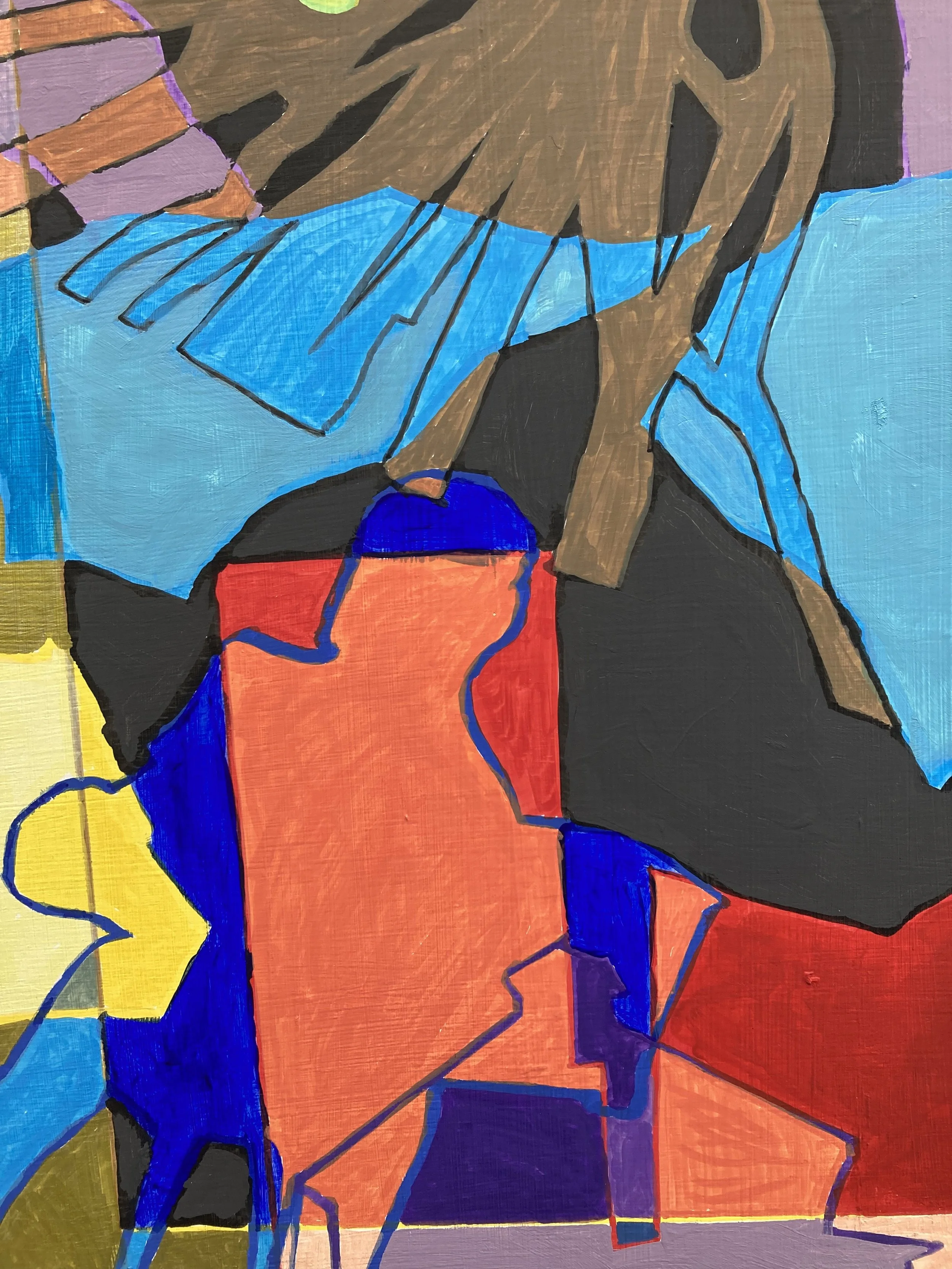
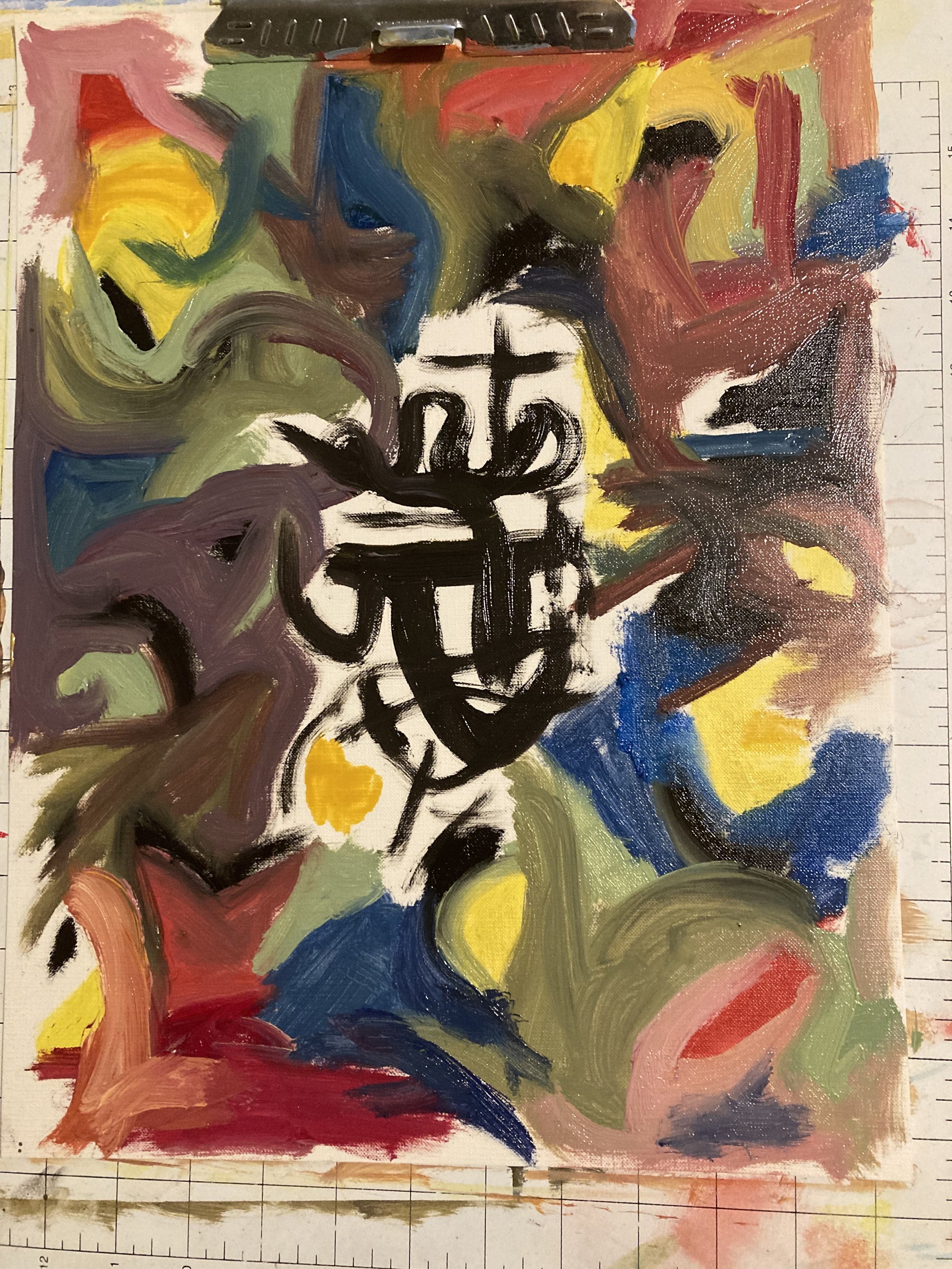
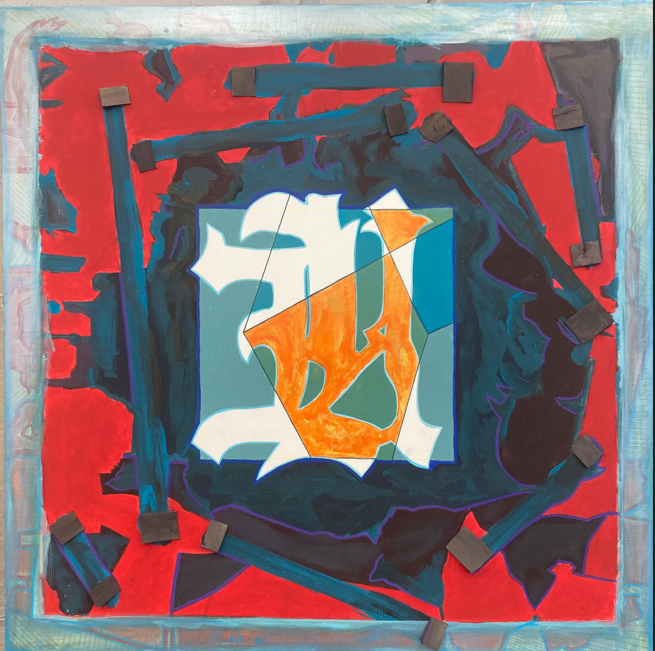
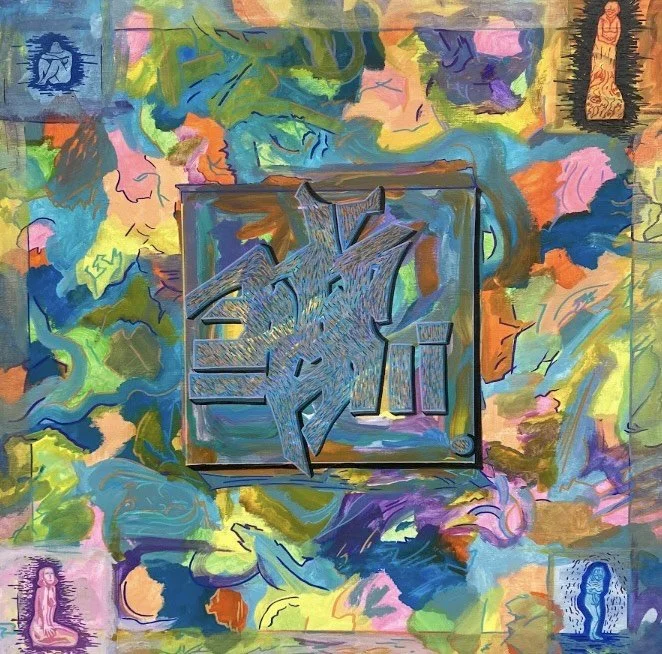
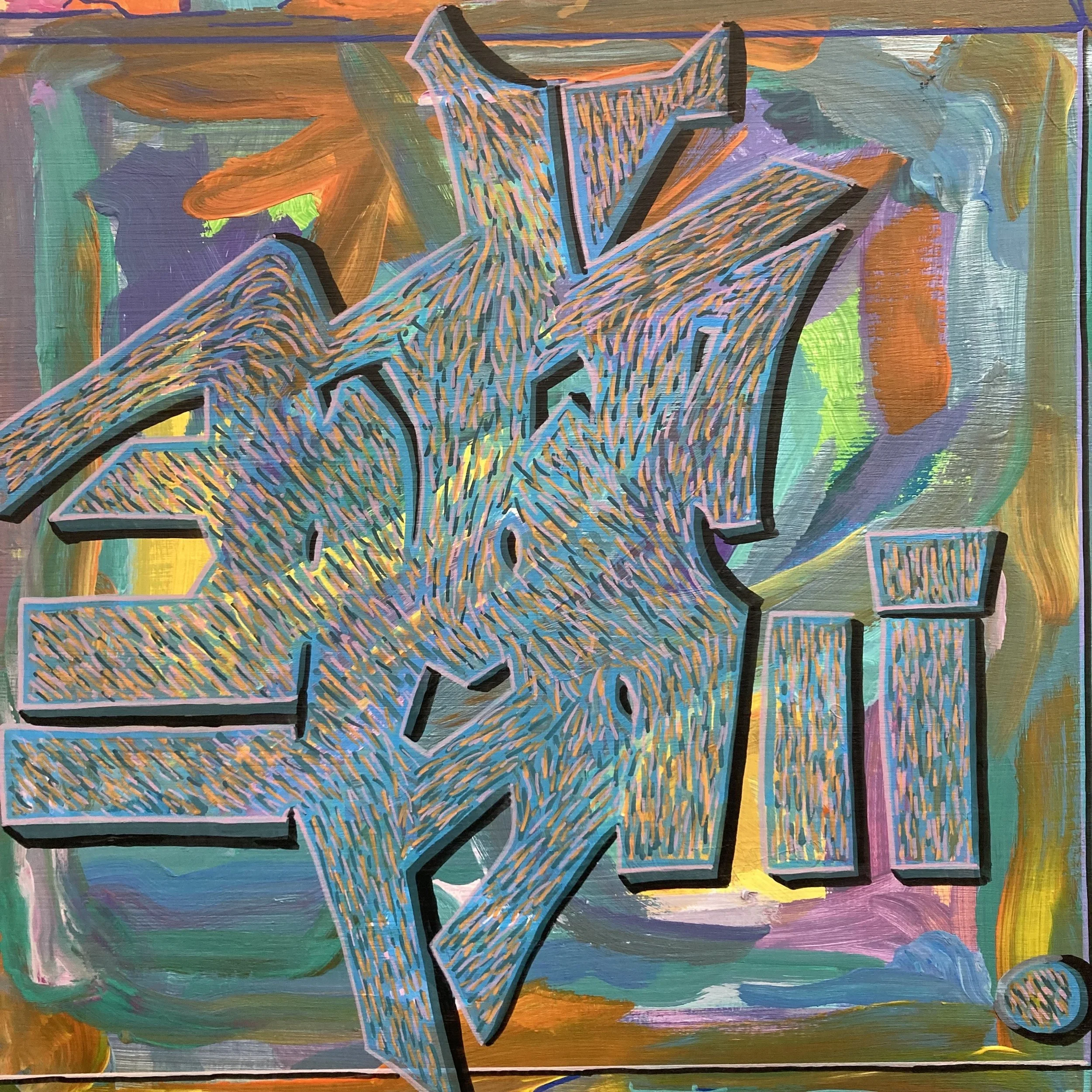
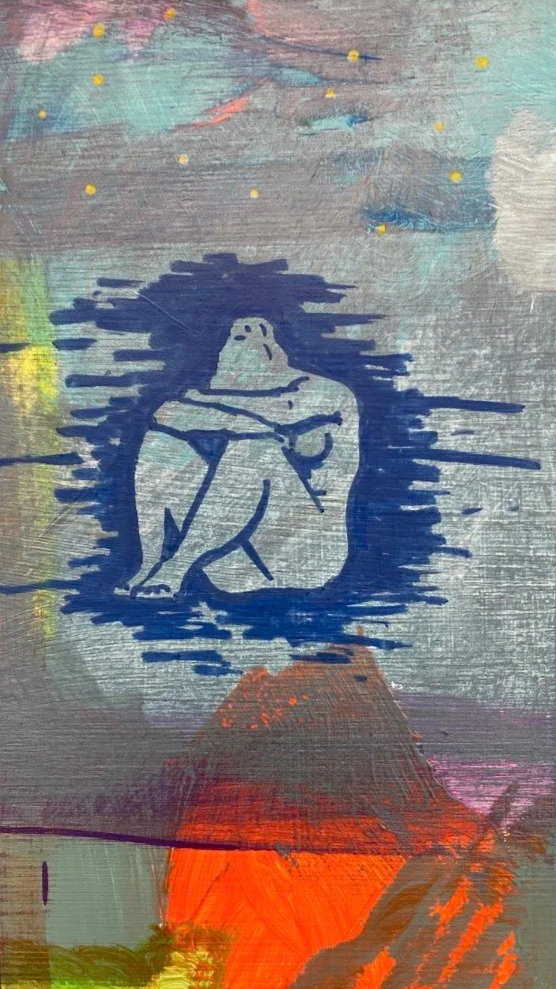
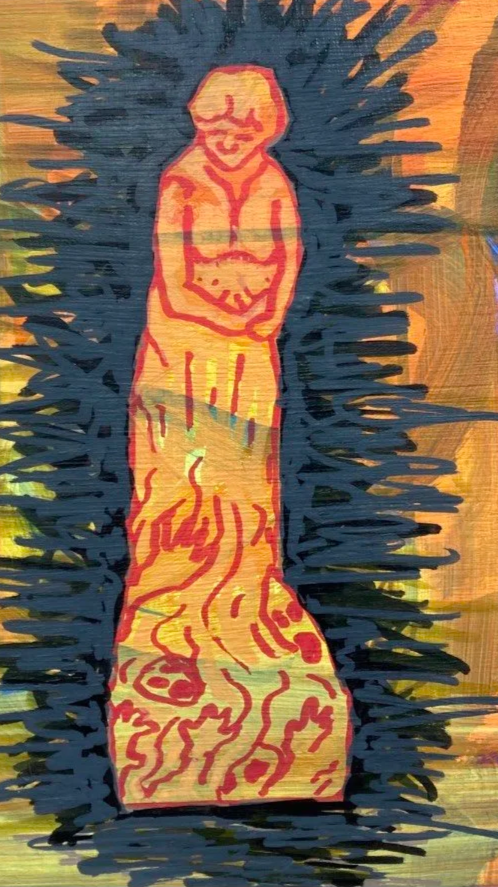
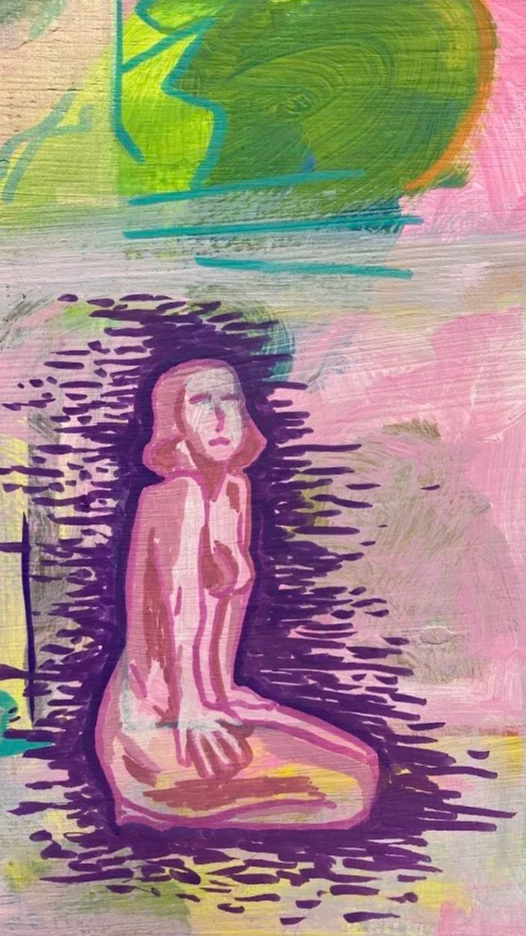
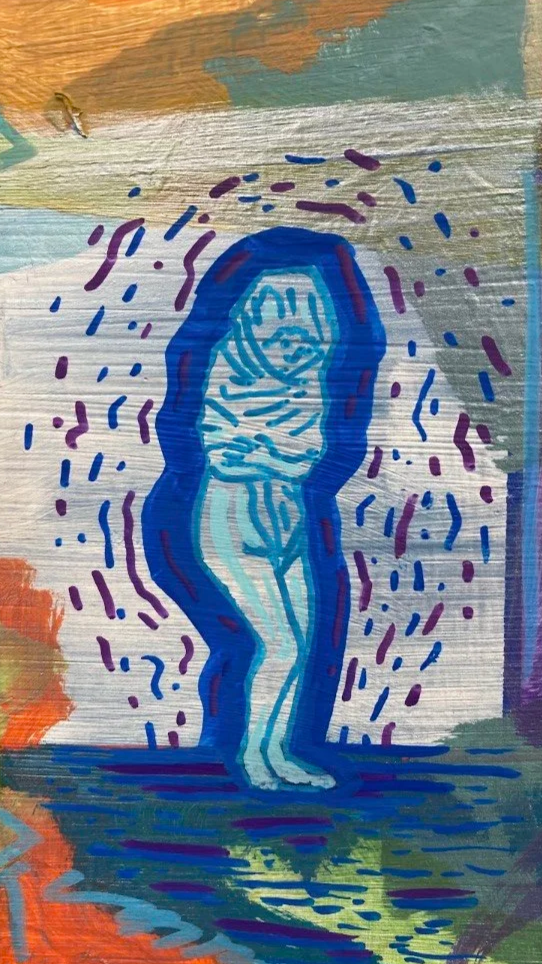
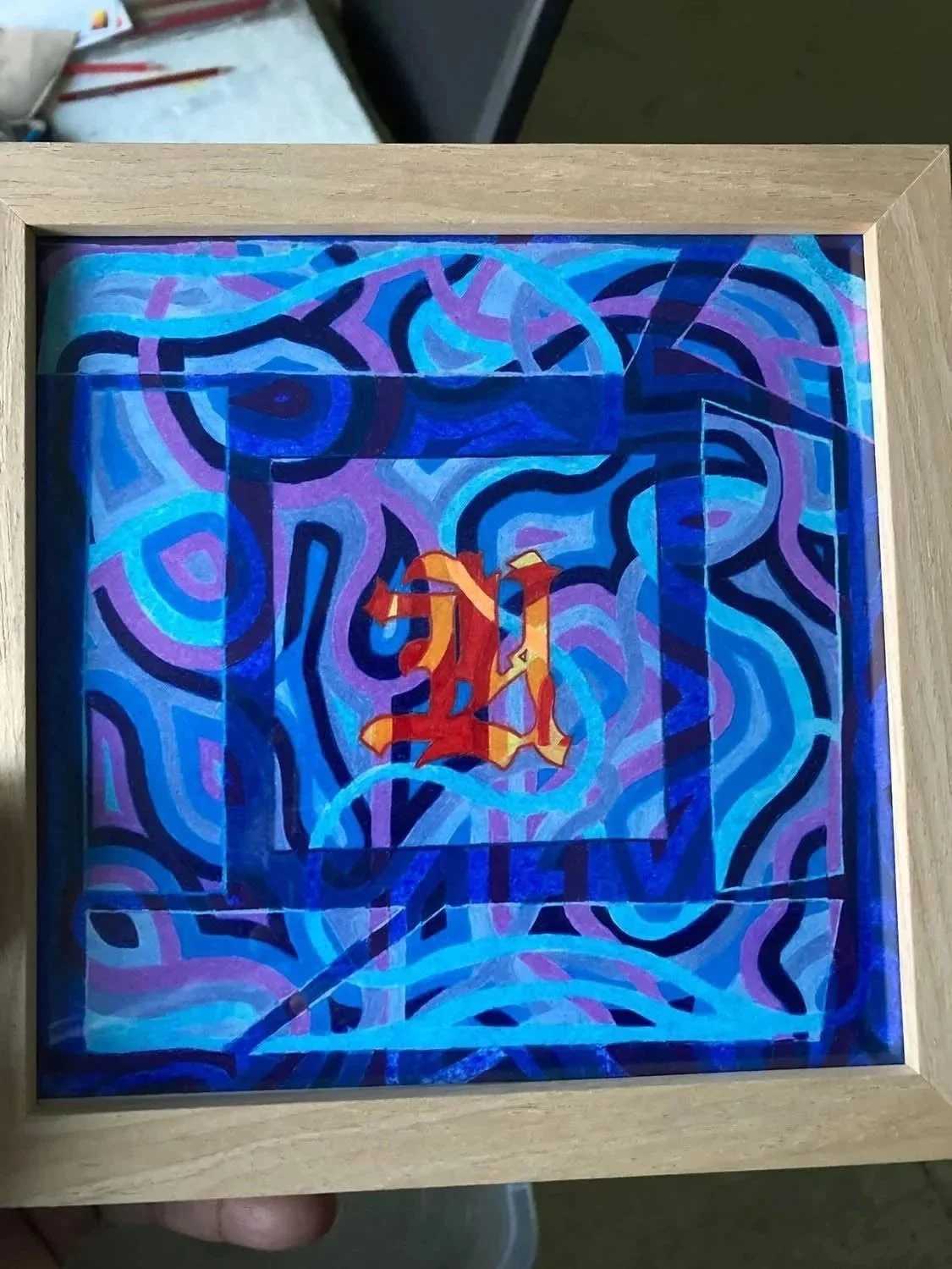
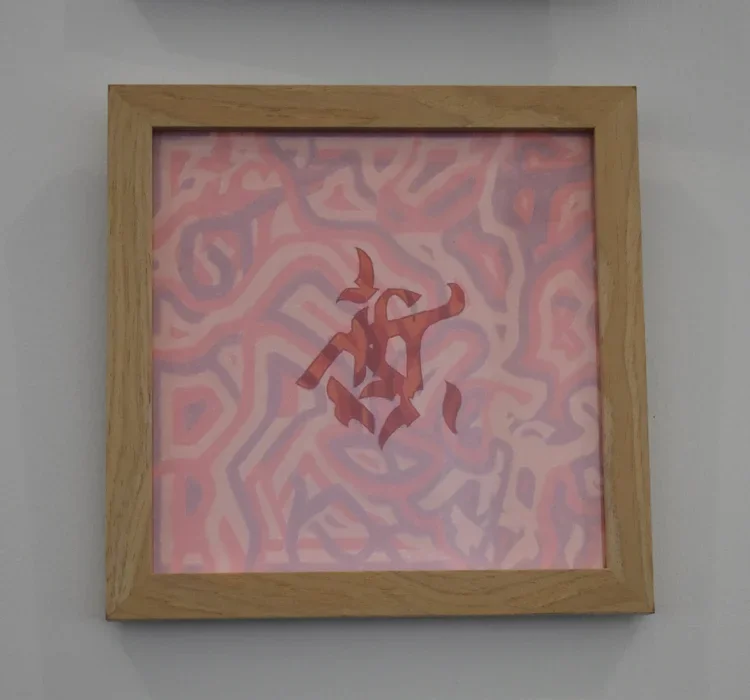
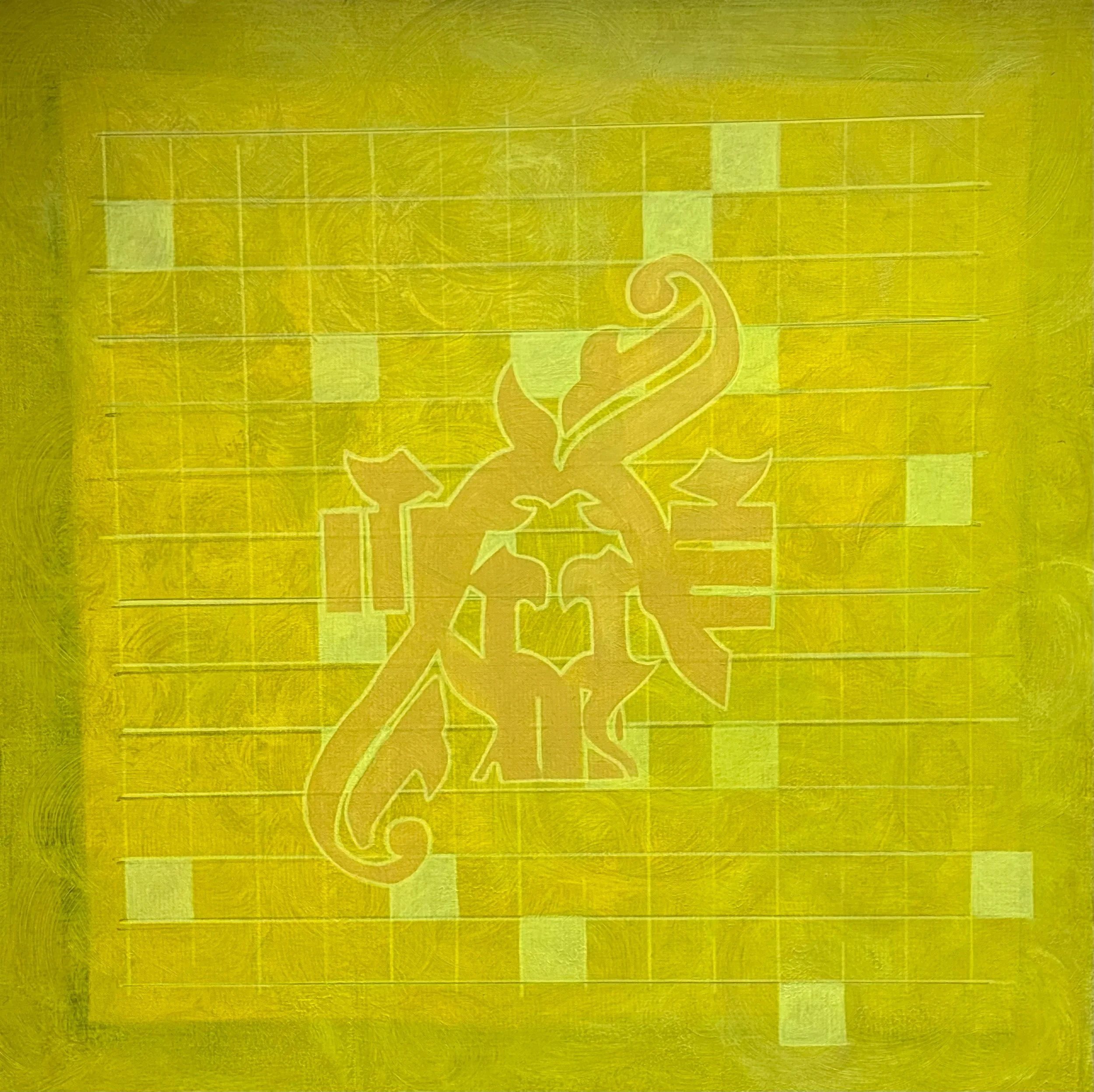
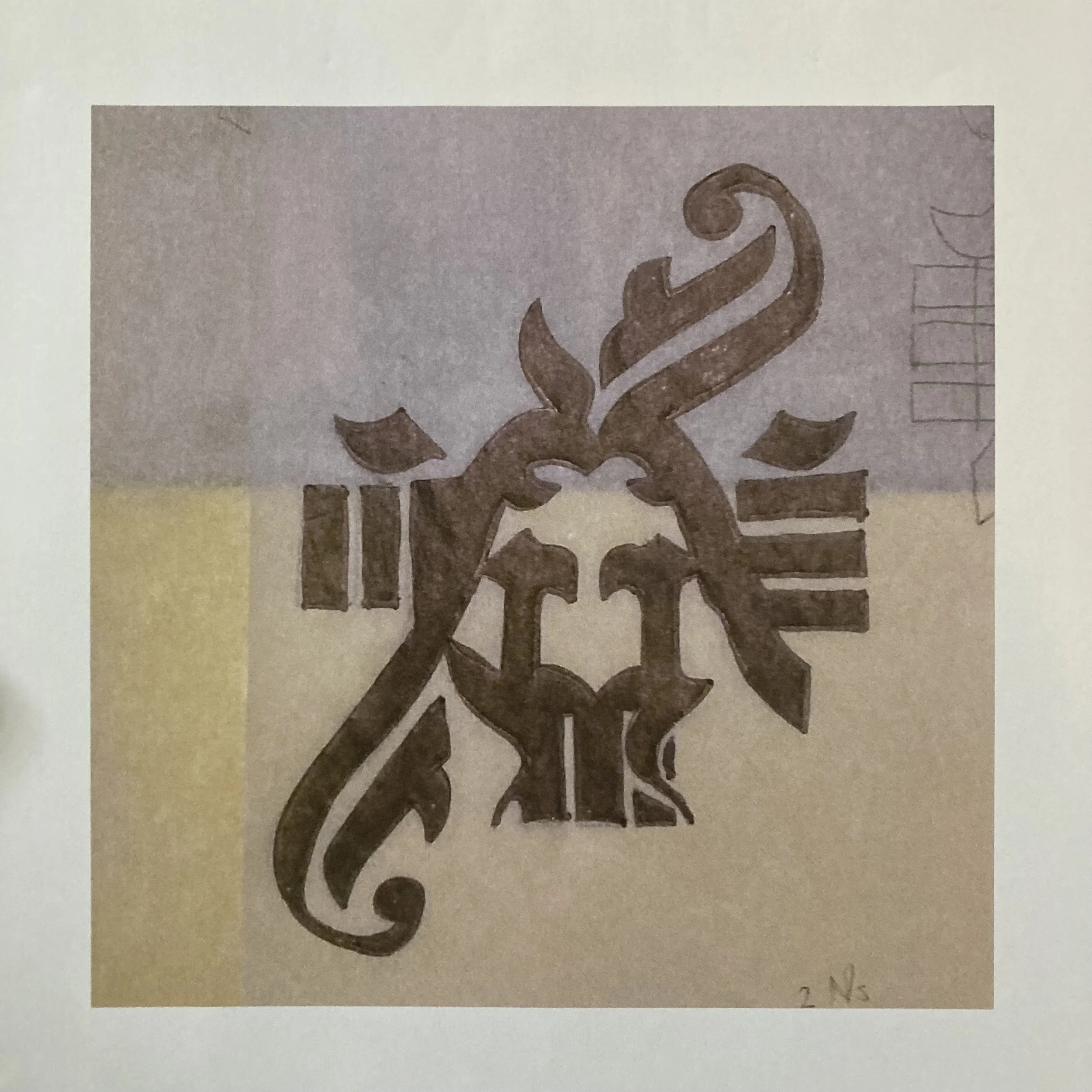
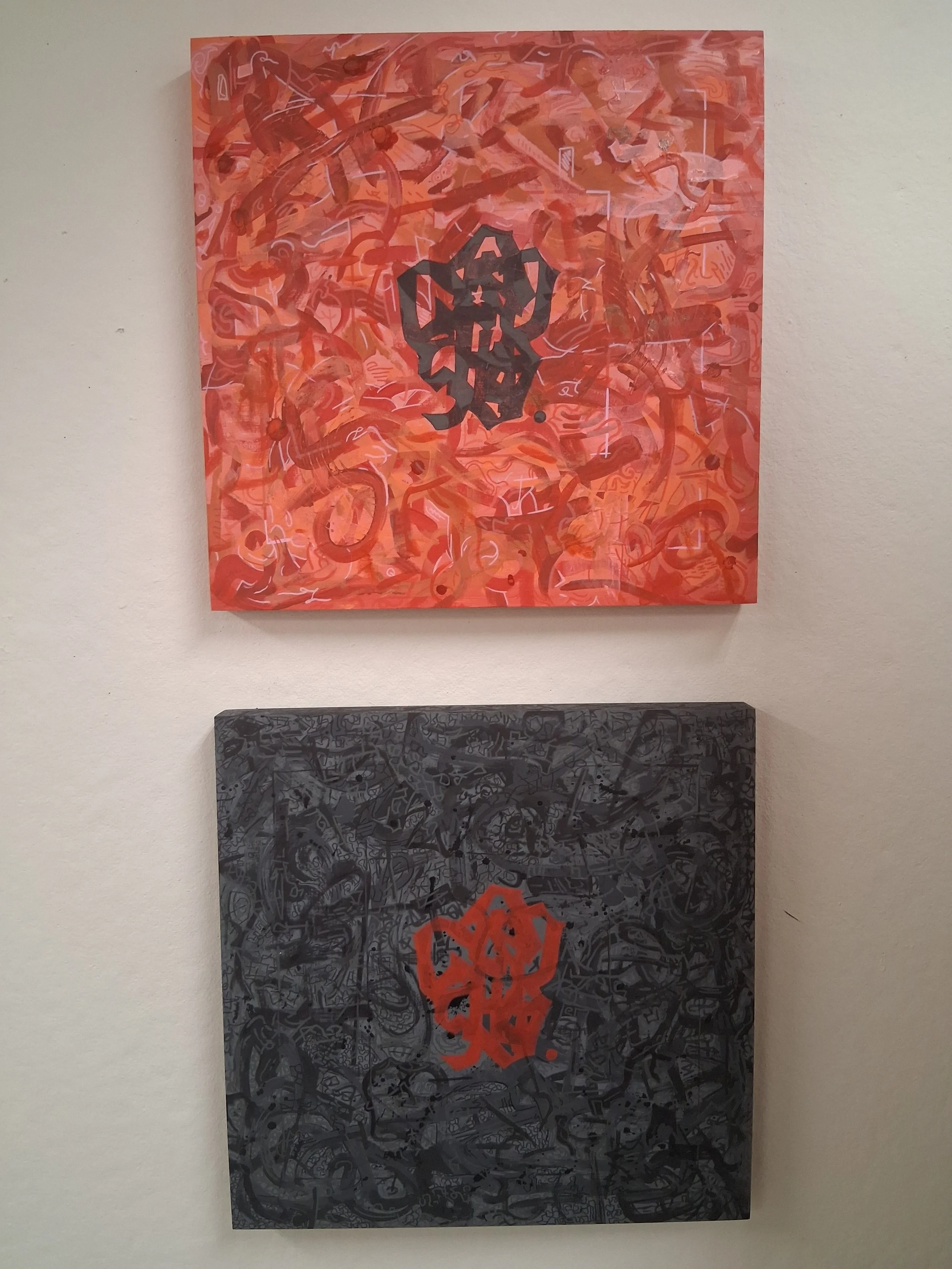
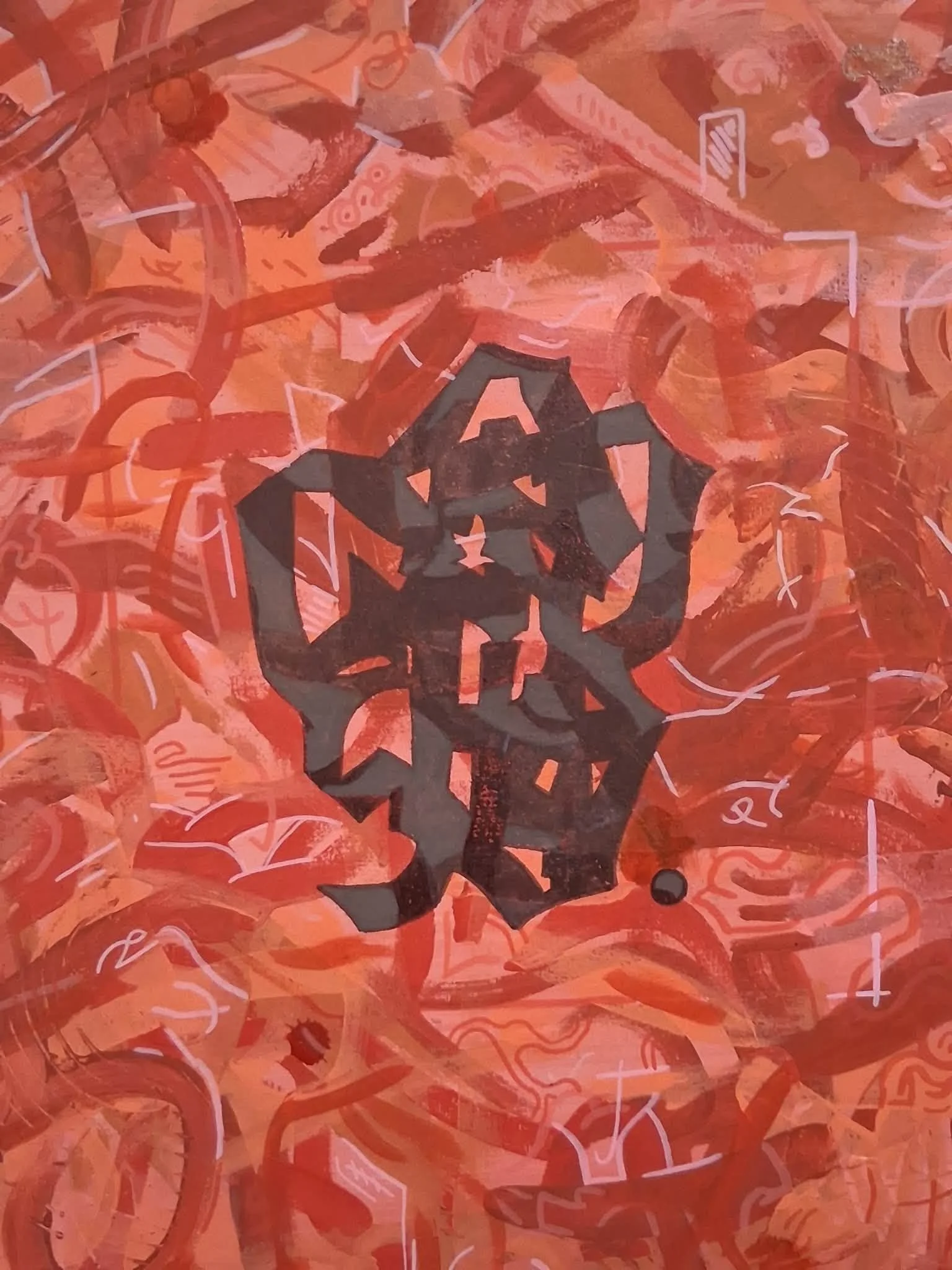
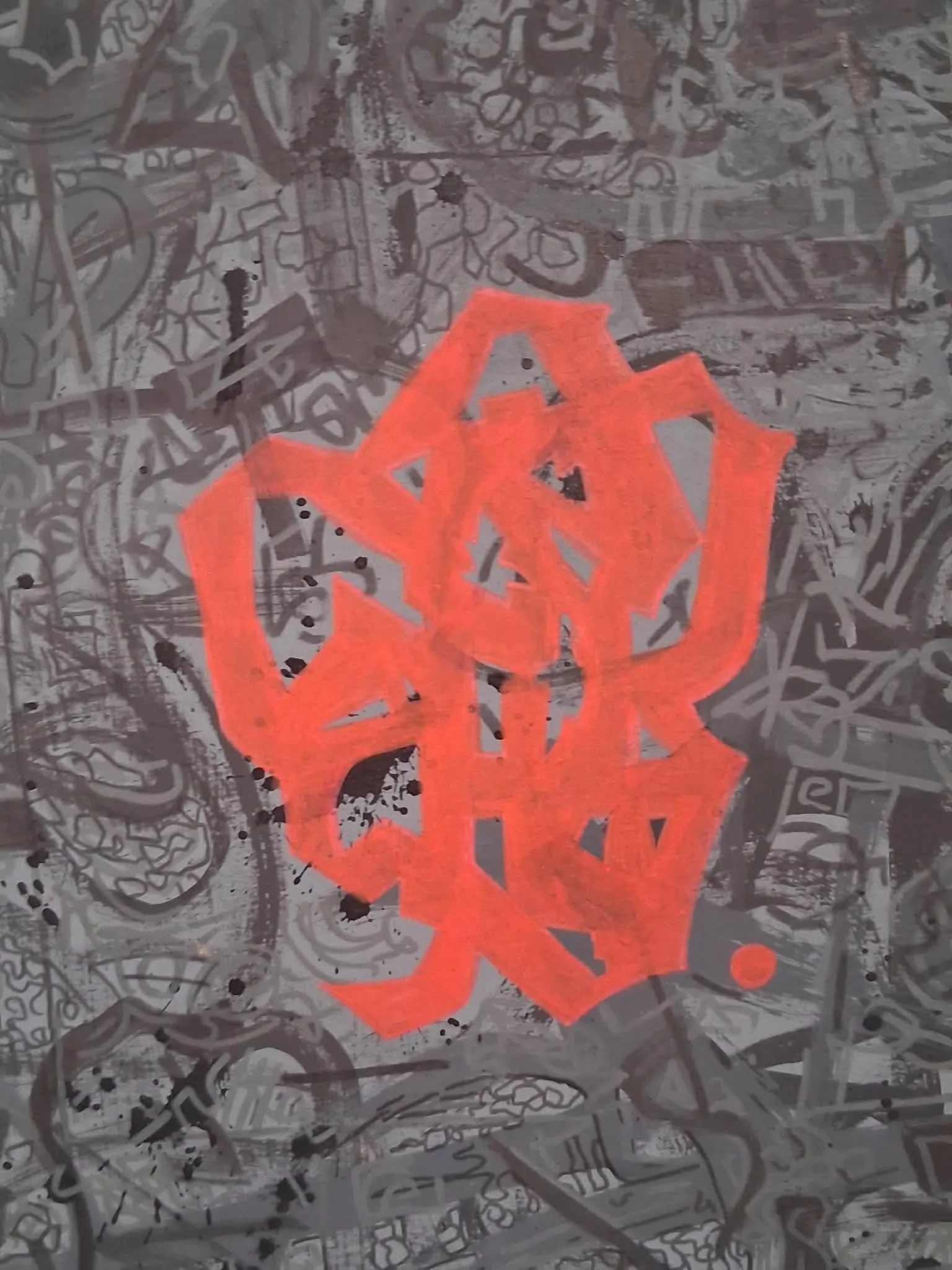
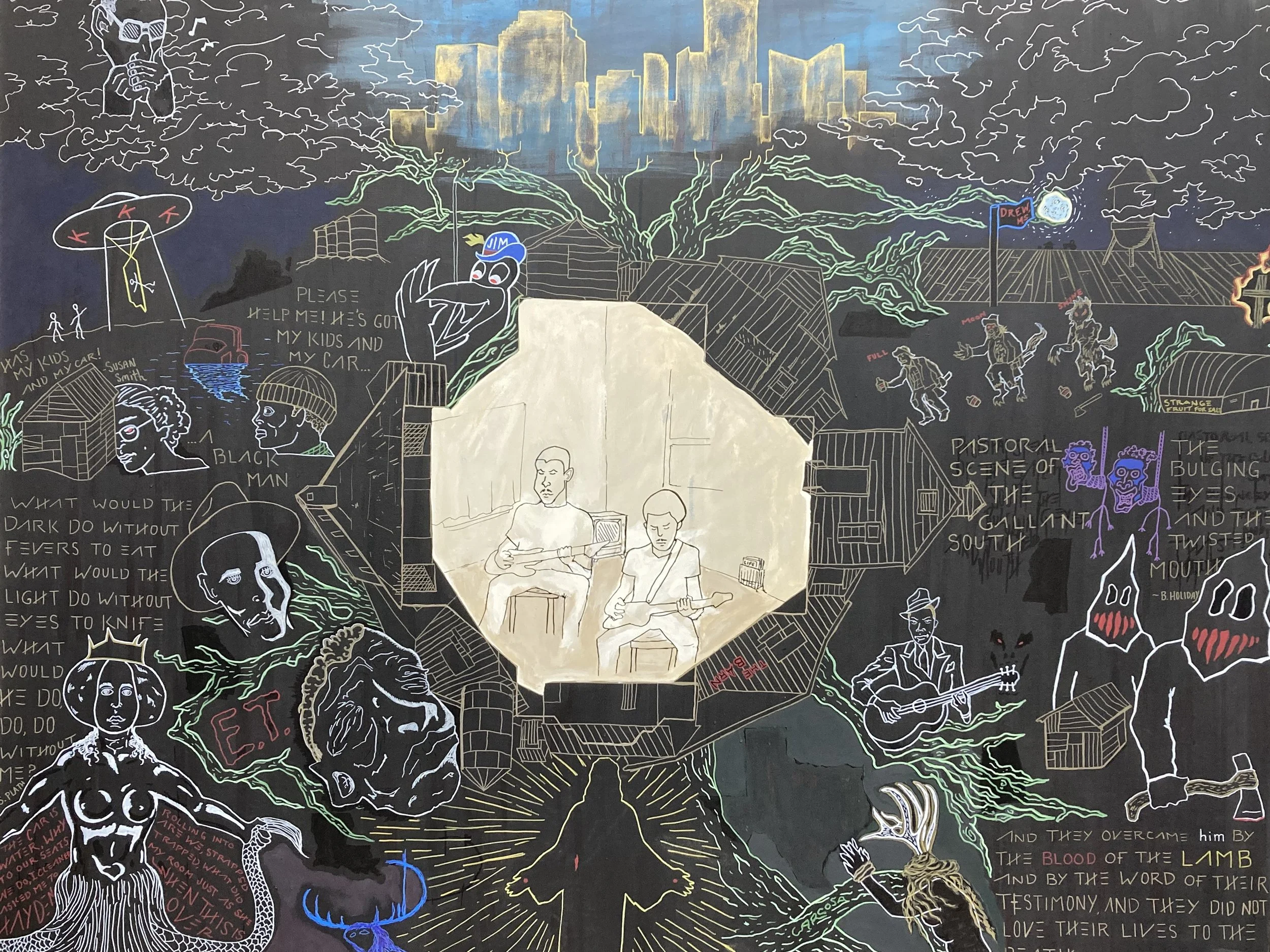
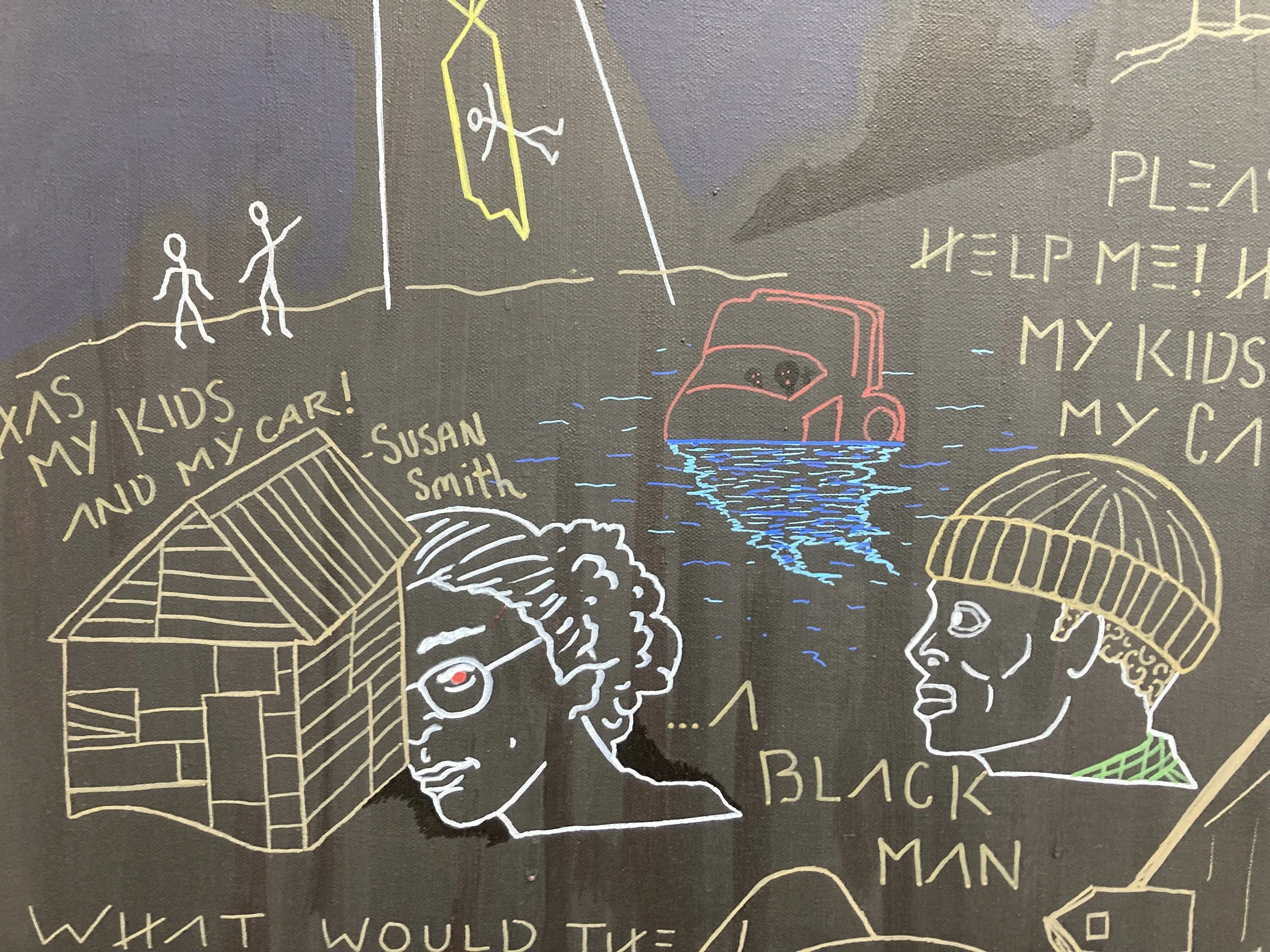
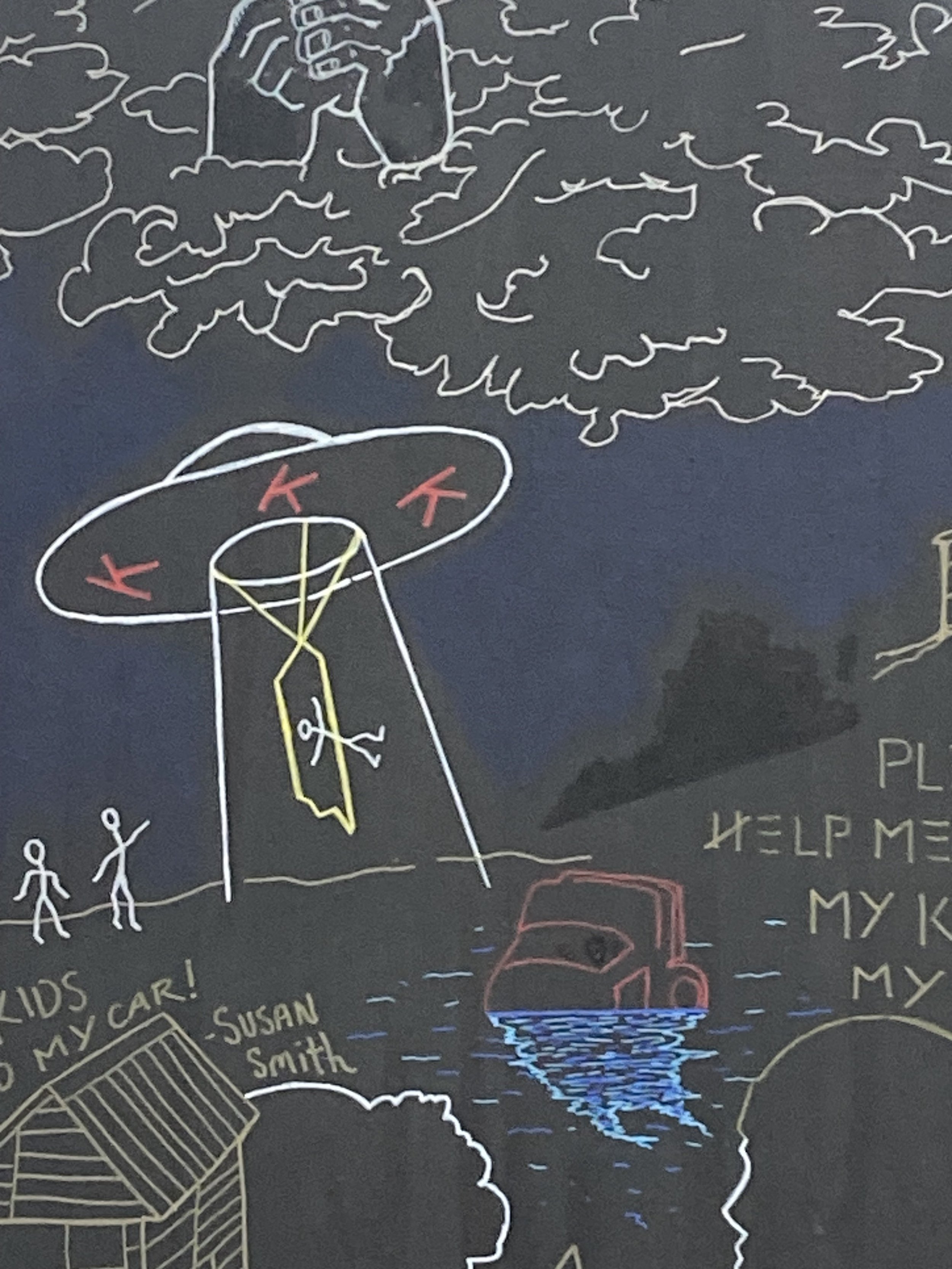
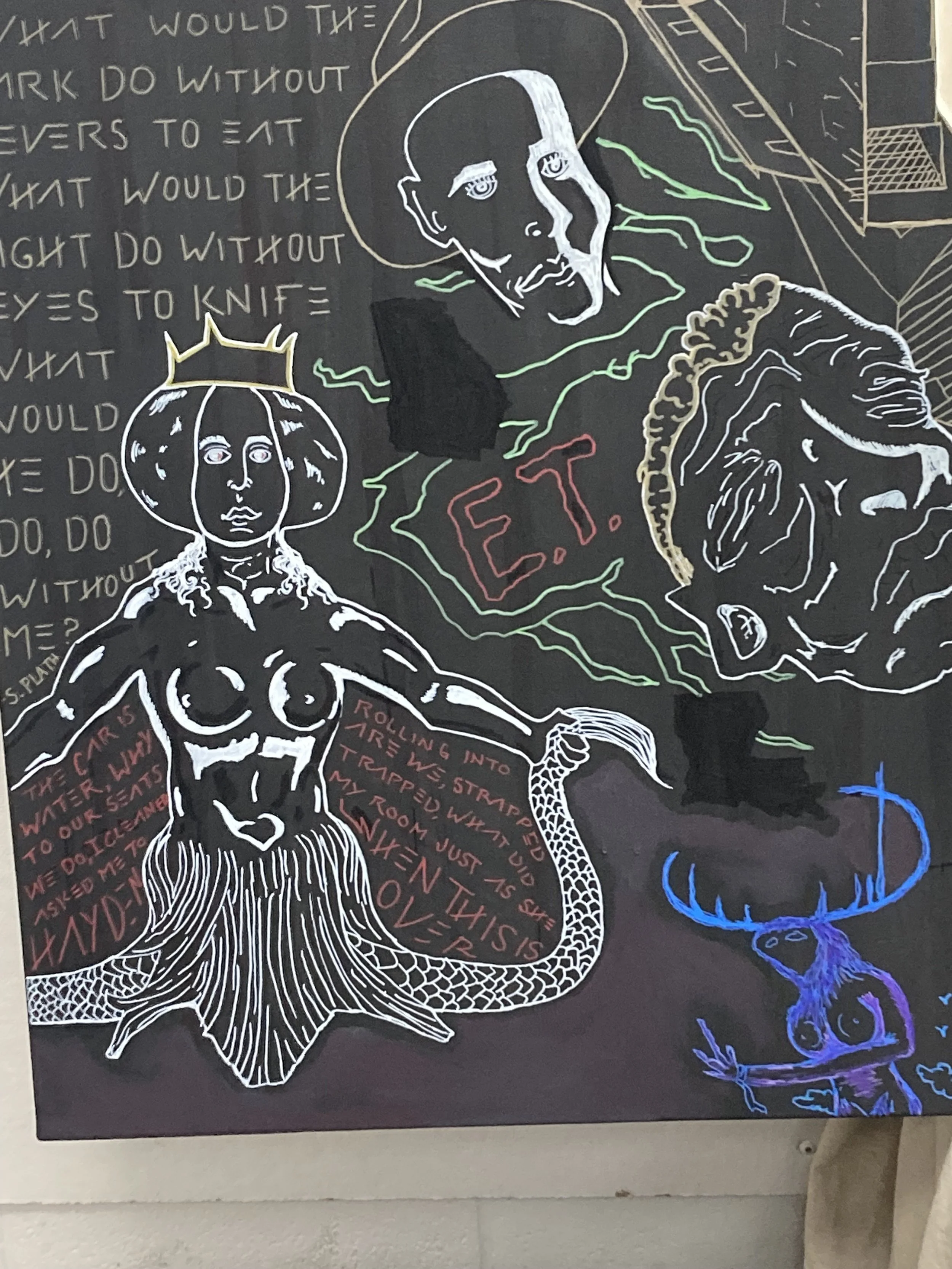
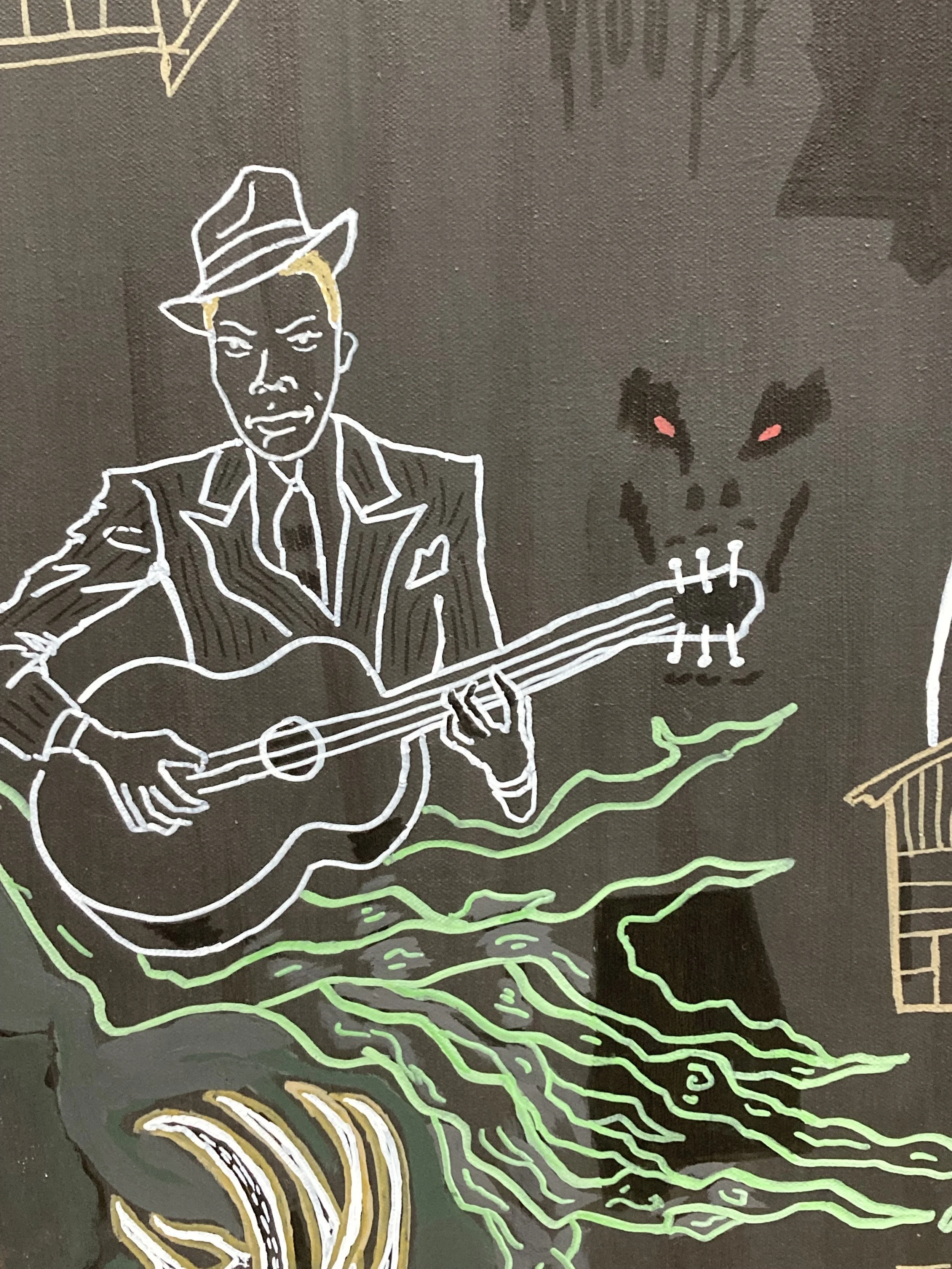
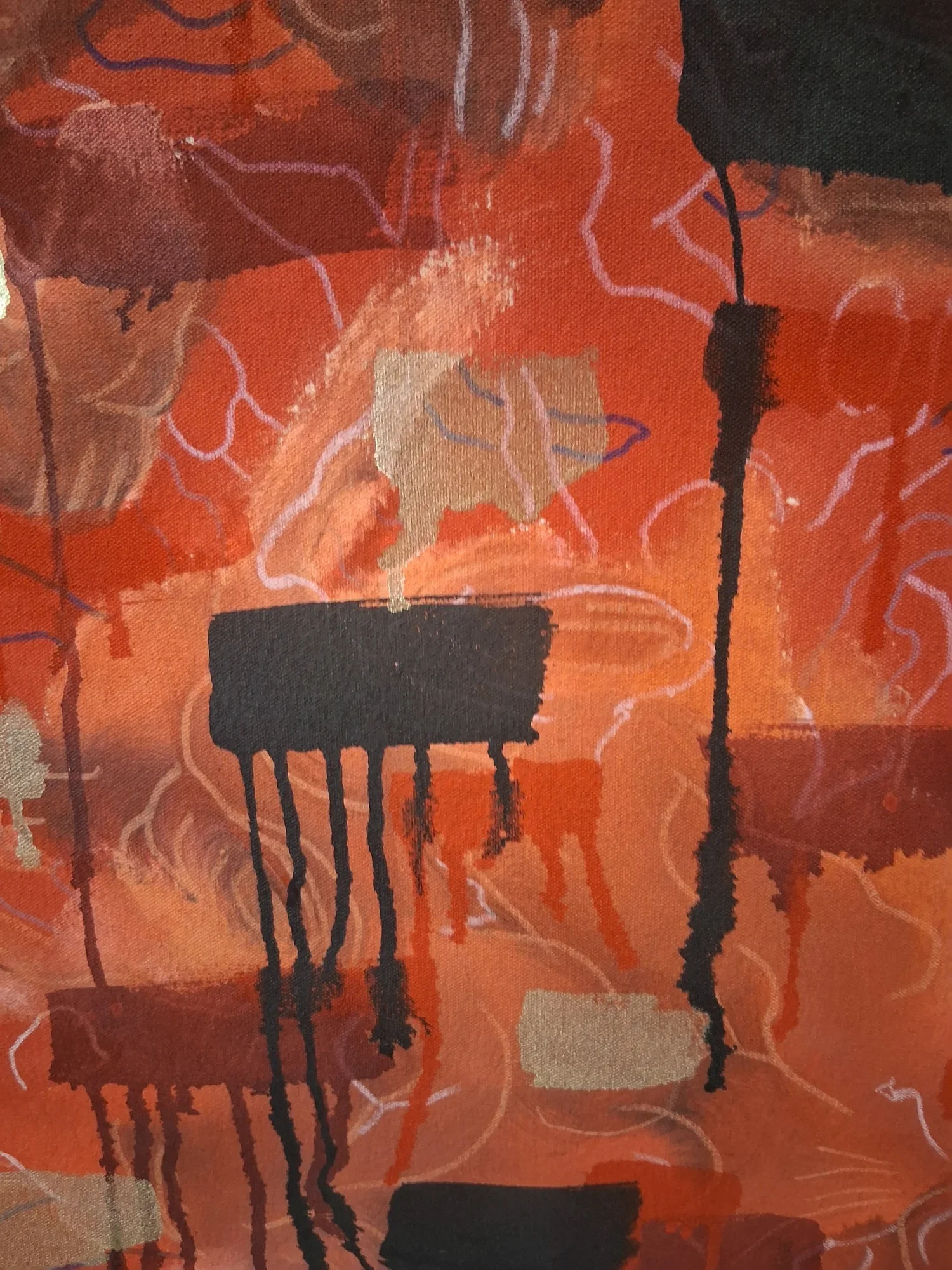
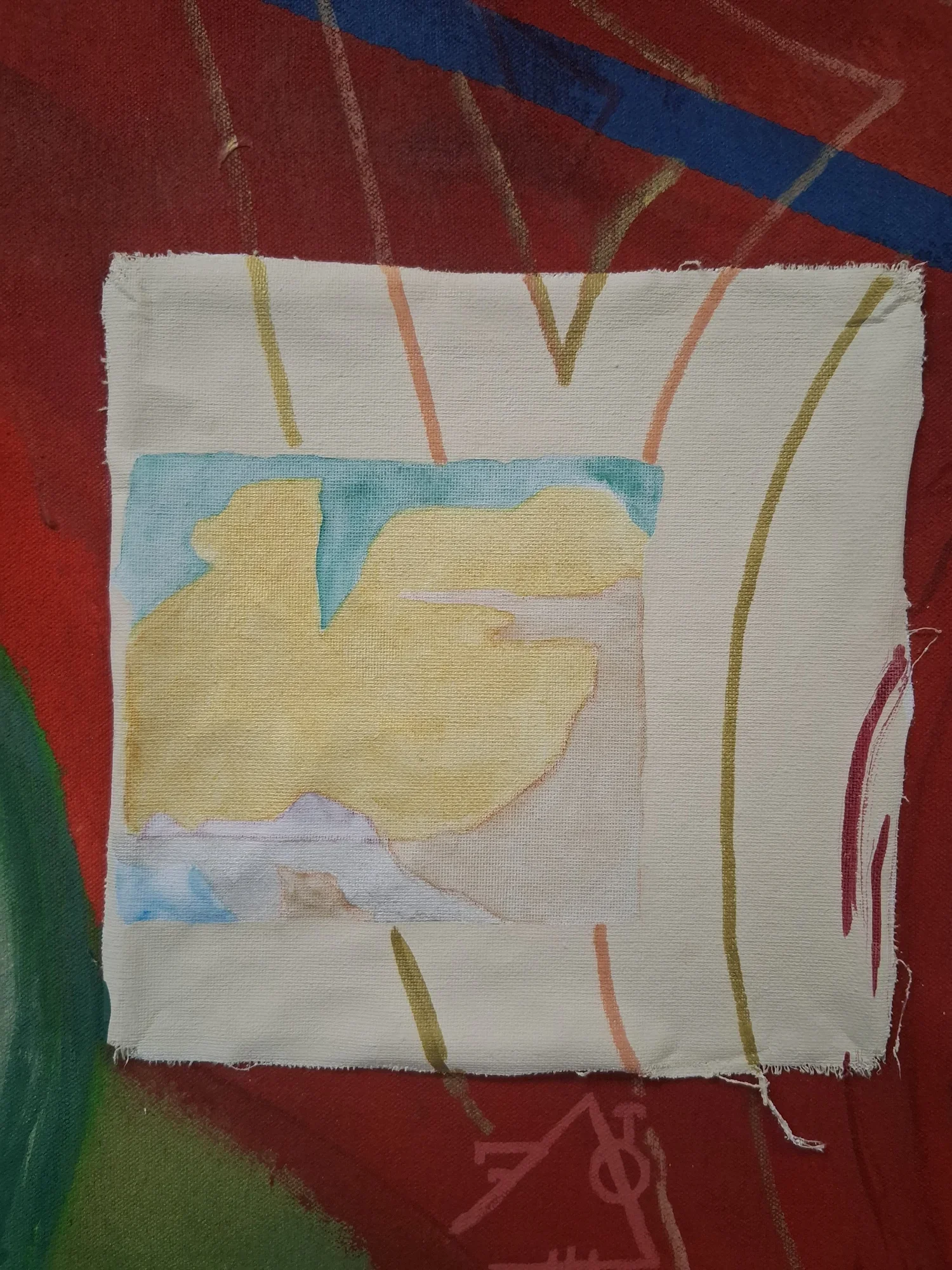
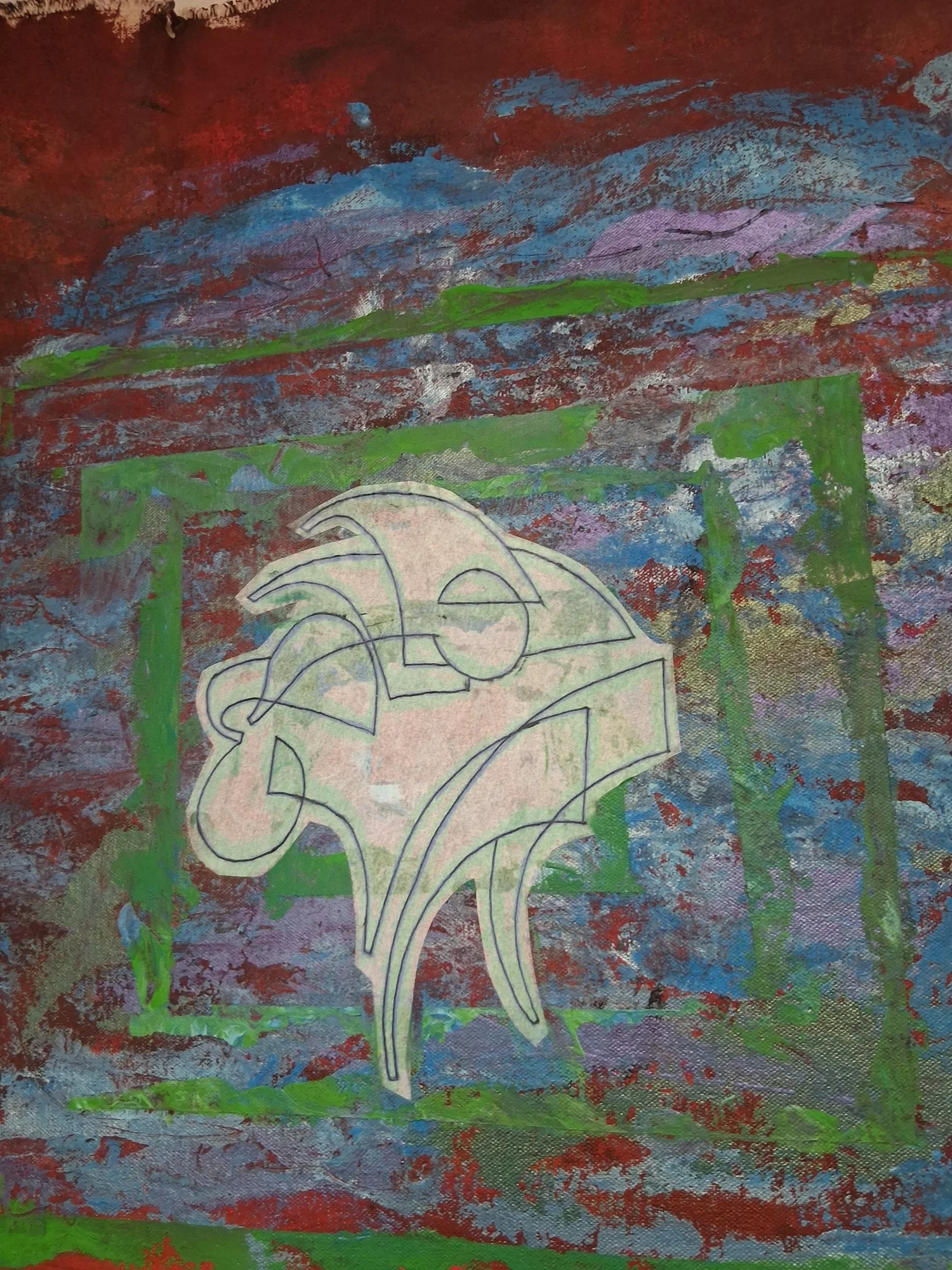
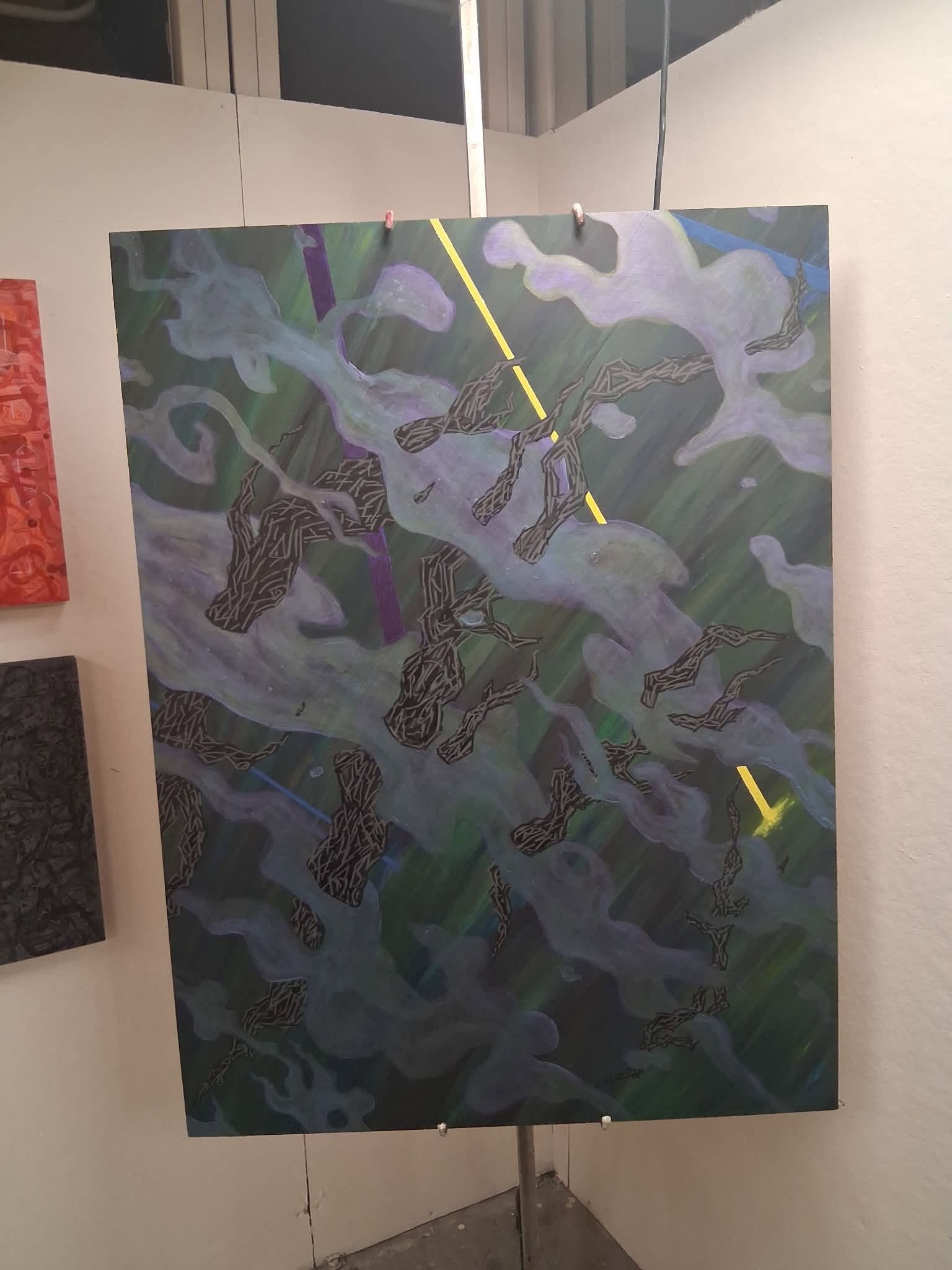
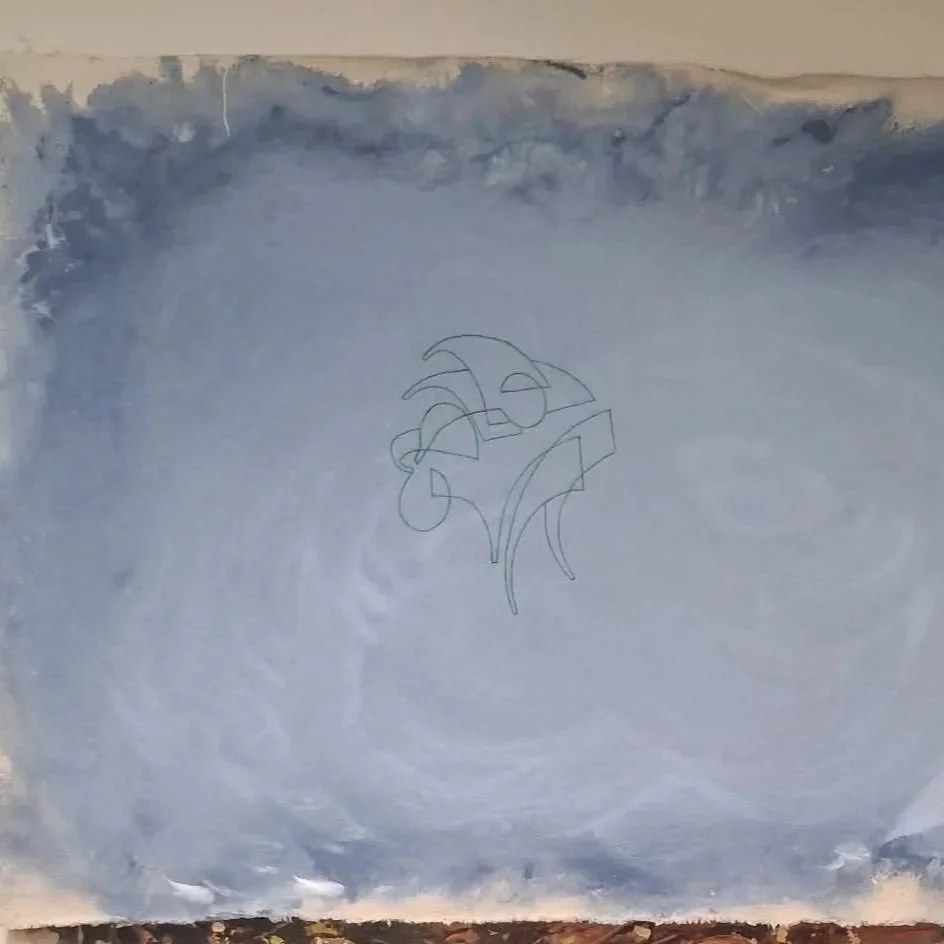
Awareness of self from a geographical standpoint. Where do edges and borders meld? Where are they distinctly separately? How does a limb differ from a lane? My work, overall, is almost. It is becoming something. It is early art. I arrive just before the image assimilates into something recognizable. Who am I to the world around me? Where do my edges and borders end? From the dust of the earth…what is our sameness to the land. When does our almost landscape begin or end? What duality do we jettison/embrace? How do we change each other’s shape? The harm we inflict on one another, what trauma, what violence? How do we seep into the into and heal the cracked clay? Where do I end and you begin, bone of my bone, flesh of my flesh, earth of my earth? Thunder - evidence of lightning or lightning echoing presence. Embracing the mysterious, hugging my ambivalence. What horrors does my unholy hold? How, through Divine Blood, do I continue to achieve wholeness? Blood crying out from the soil of my soul. What pieces of me remain near the gaping opening, the abysmal hole?
36 × 36
acrylic, oil, and painters tape on panel
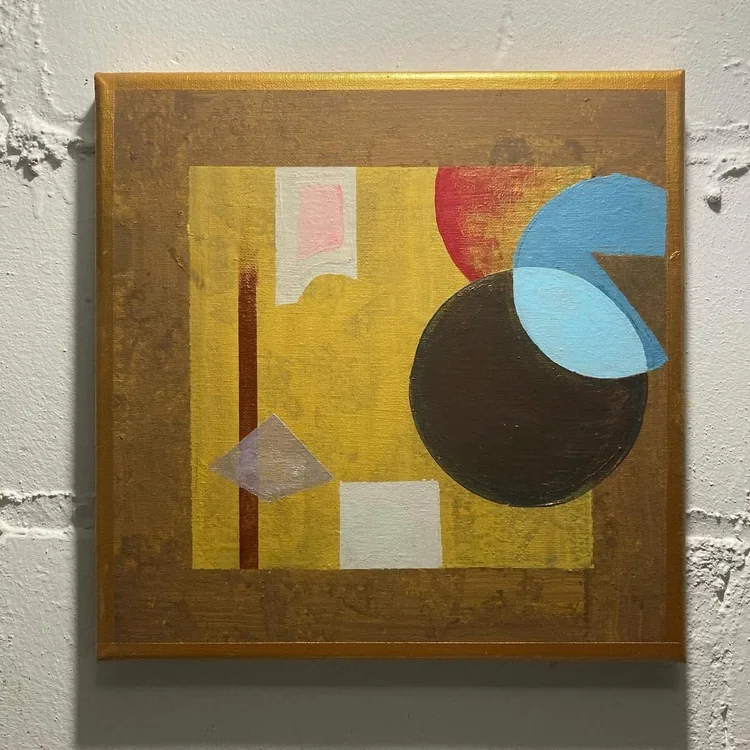
acrylic on fabric, cardboard and panel
Pen on notebook paper, drawing paper and cardboard
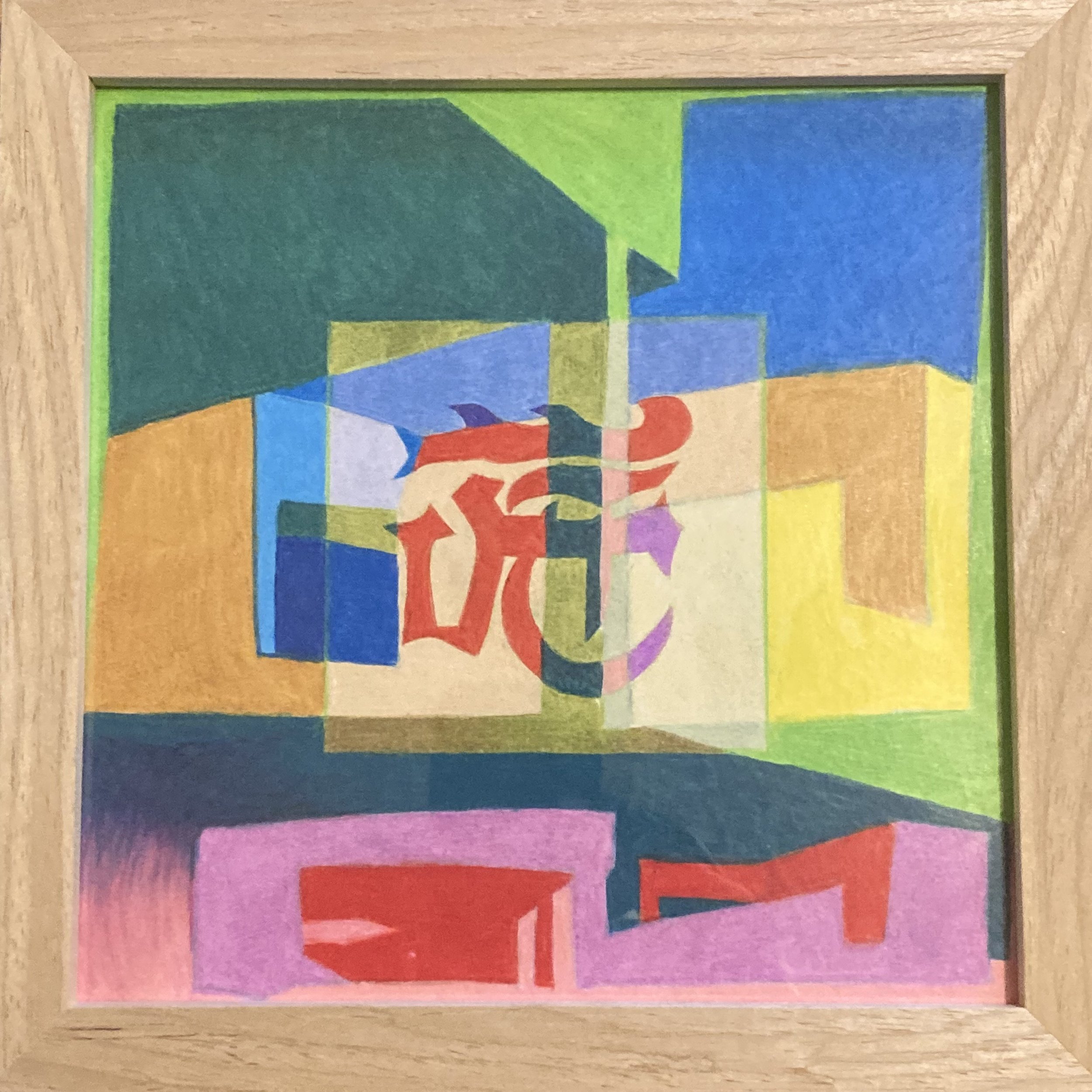
These works primarily focus on abstracting the visible world around us and/or manifesting aspects of a world we cannot see. The blending of the two, the seen and unseen realms, present works altogether familiar yet charged with something immaterial and otherworldly. The framing of each window I strive to personify, color and push the work towards the edges through varying palettes. I fiercely ignore incessant shading or oppressive detail. I intentionally allow the colors to speak for themselves, to create form and articulate narrative.
16 × 18
acrylic, fabric, and paper on canvas
Artist-In-Residence at Sweet Briar College
24 × 24
oil, wood and paper on panel
Randolph College
36 × 36, acrylic on canvas.
36 × 36
acrylic on canvas
(Gifted)
12 × 12
acrylic on canvas
36 × 36
acrylic on canvas
36 X 36
acrylic on canvas
Vaulted Gallery, Sweet Briar College
36 × 36
acrylic on canvas
(Sold)
36 × 36
acrylic on canvas
(Sold)
12 × 12
acrylic on canvas
36 × 36
acrylic and gold leaf on canvas
(Commissioned and Sold)
36 × 36
acrylic on canvas
(Sold)
36 x 36, acrylic on canvas
36 × 36, acrylic on canvas.
36 × 36
acrylic on canvas
(Gifted)
36 × 36
acrylic on canvas
(Gifted)
36 X 36
acrylic on canvas
36 × 36, acrylic on canvas.
36 × 36,
acrylic on canvas.
….
oil on panel
Randolph College
…
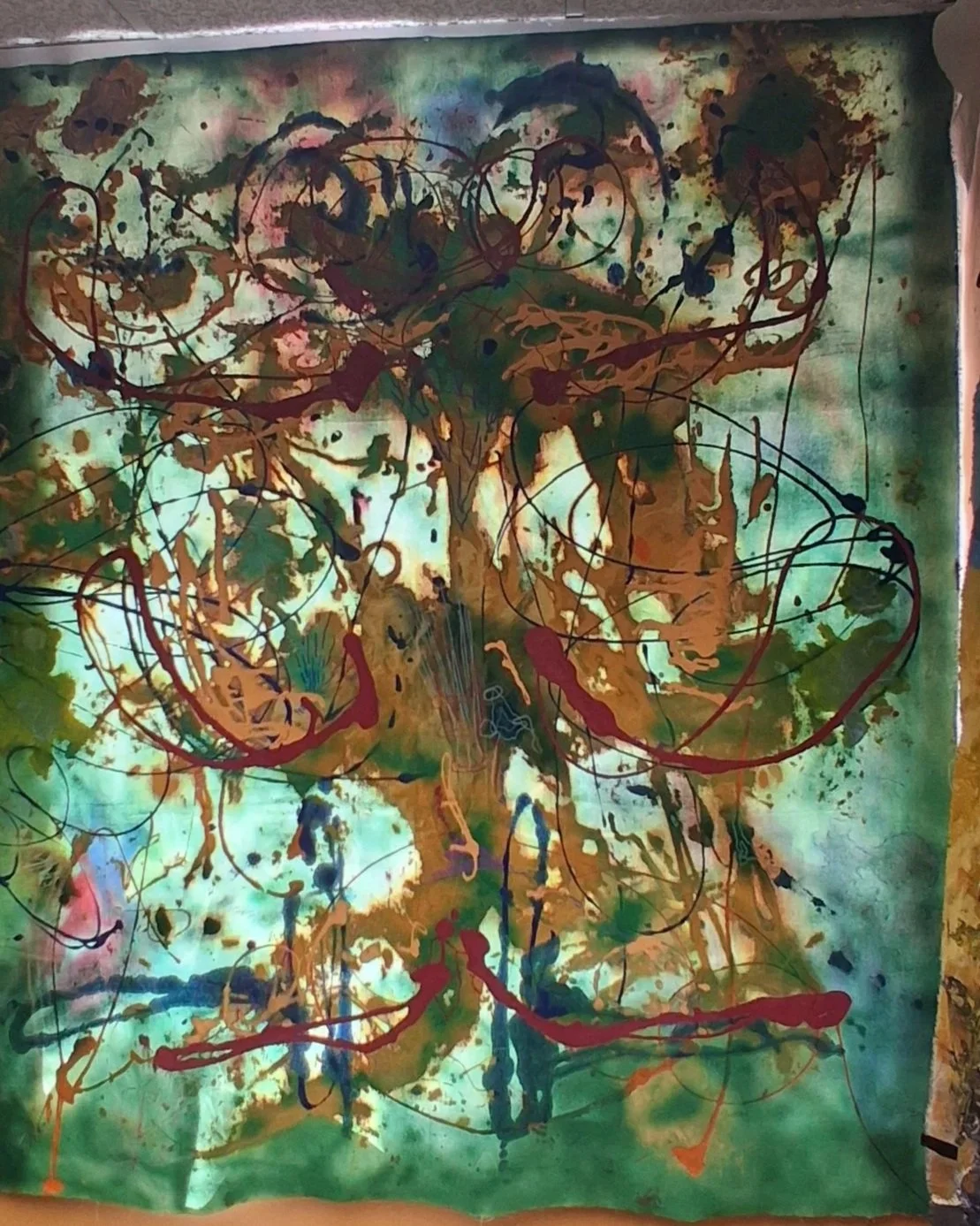
house paint, spray paint, acrylic on unstretched canvas
…
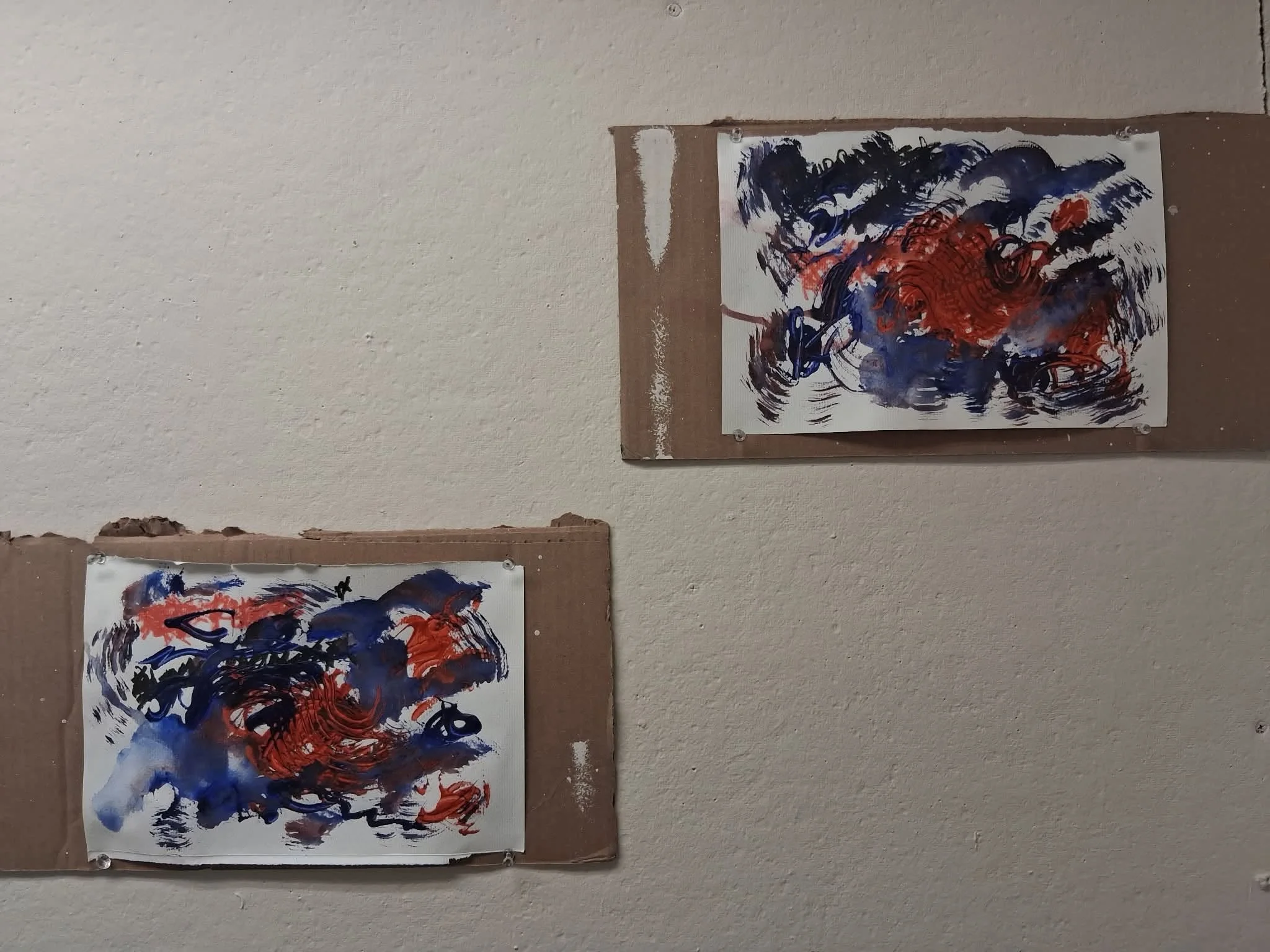
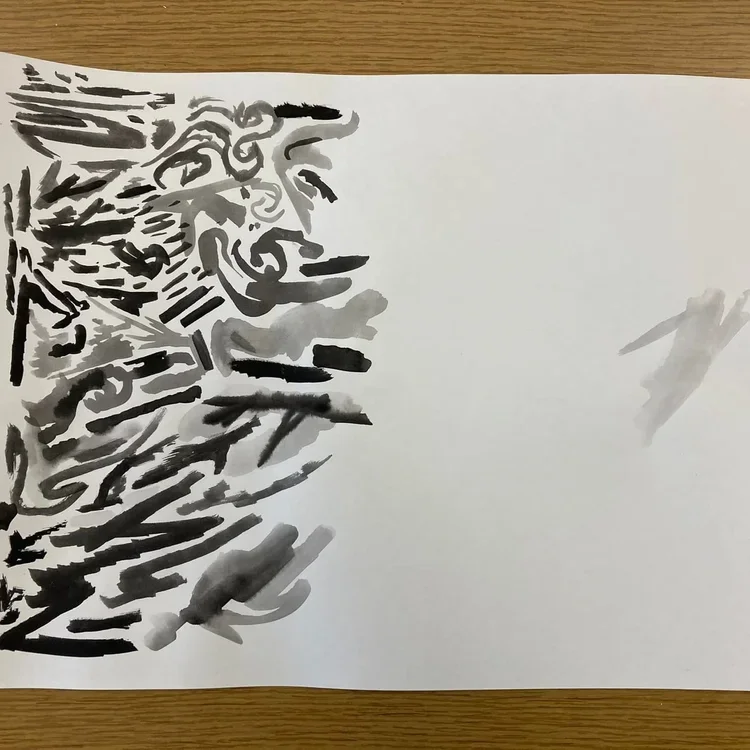
water color, acrylic, Sharpee on sketch paper and cardboard
Maryland Institute College of Art
8 × 8
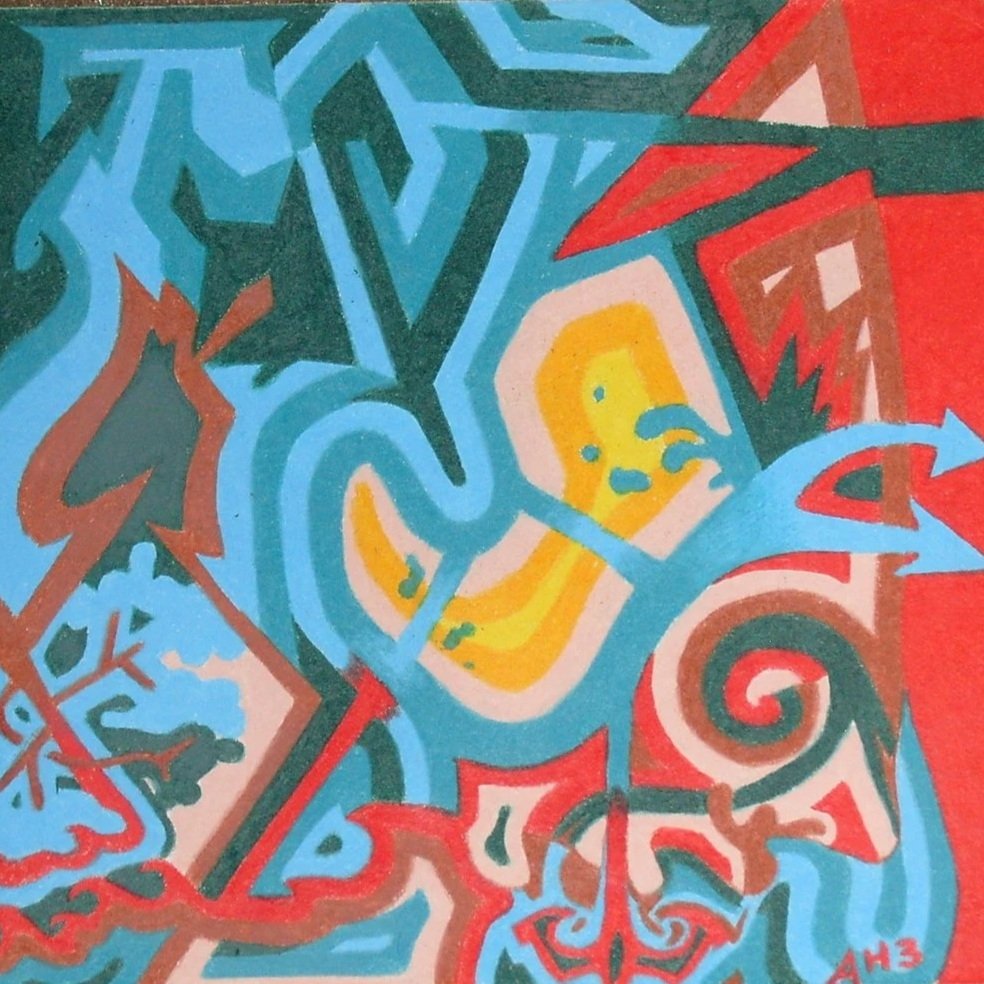
colored pencil on cardstock
36 × 48
acrylic and gold leaf on canvas
(Sold)
24 × 24
acrylic on panel
Maryland Institute College of Art
36 × 36
acrylic, gold and silver leaf on canvas
(Sold)
8 × 8
colored pencil on cardstock
8 × 8
colored pencil on cardstock
8 × 8
colored pencil on cardstock
8 × 8
colored pencil on cardstock
36 × 36
acrylic on canvas
(Sold)
3 × 3
acrylic on canvas
12 × 12
acrylic on canvas
(Gifted)
36 × 36
acrylic, gold and copper leaf on canvas
(Gifted)
12 × 12
acrylic and gold leaf on canvas
(Sold)
12 × 12
acrylic on canvas
(Sold)
12 × 12
acrylic on canvas
(Gifted)
36 × 36
acrylic, Sharpee, gold and silver leaf
(Gifted)
36 × 36
acrylic and gold leaf on canvas
36 × 36
acrylic on canvas
(Sold)
12 × 12
acrylic on canvas
(Gifted)
36 × 36
acrylic on canvas
8 × 8
colored pencil on cardstock
16 × 24
acrylic on canvas
12 × 12
acrylic on canvas
36 × 36
acrylic on canvas
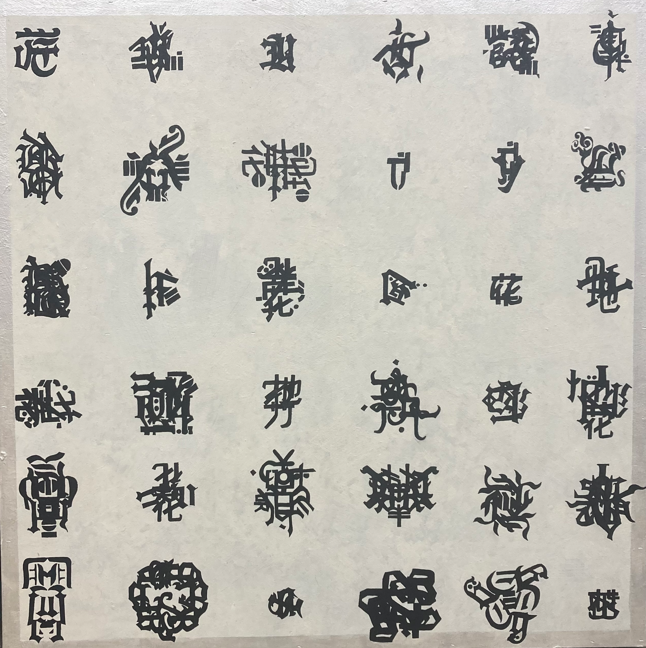
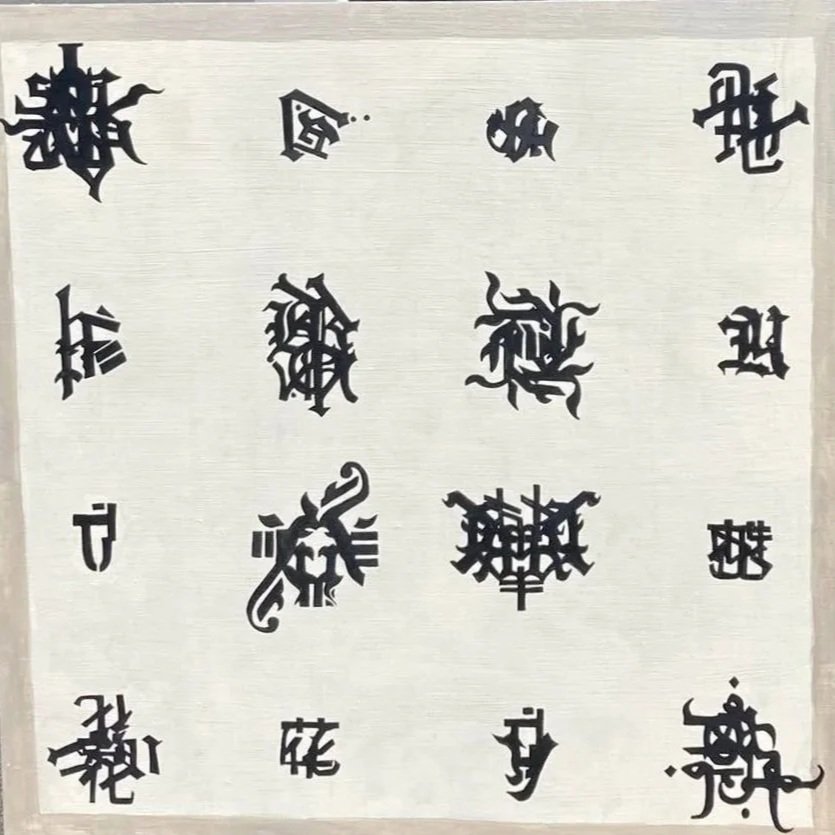
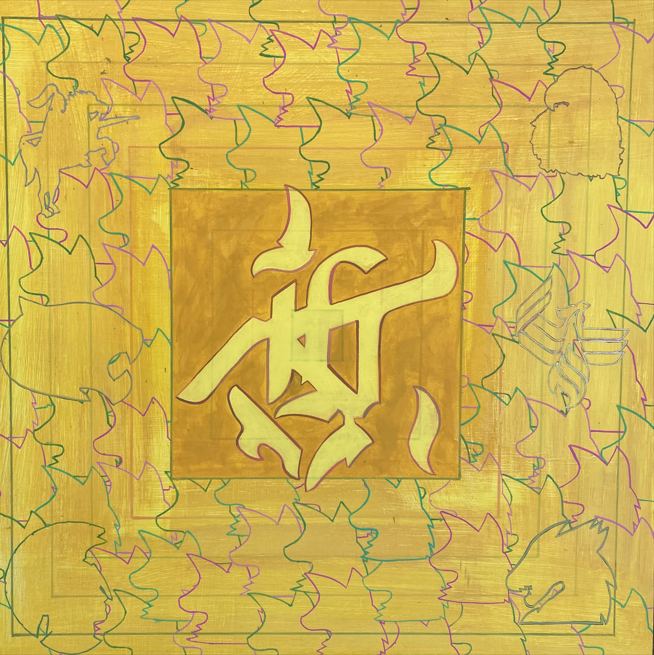
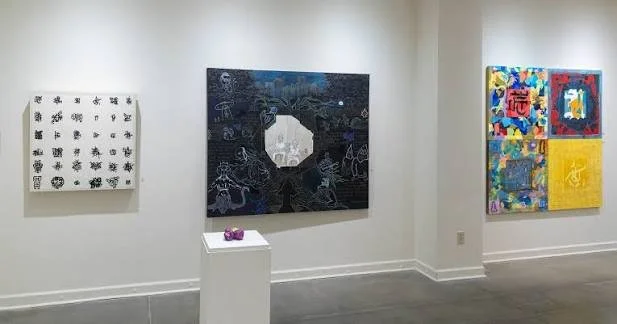
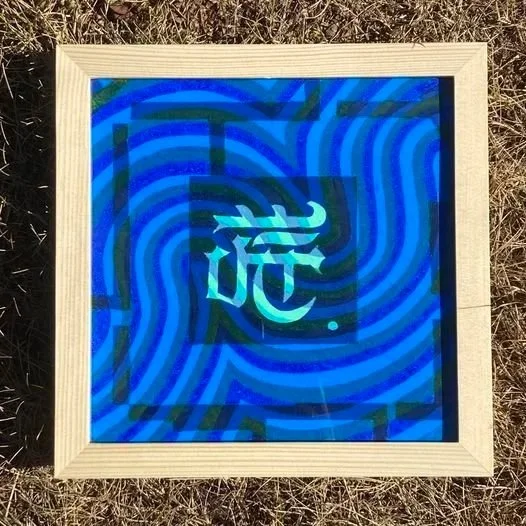
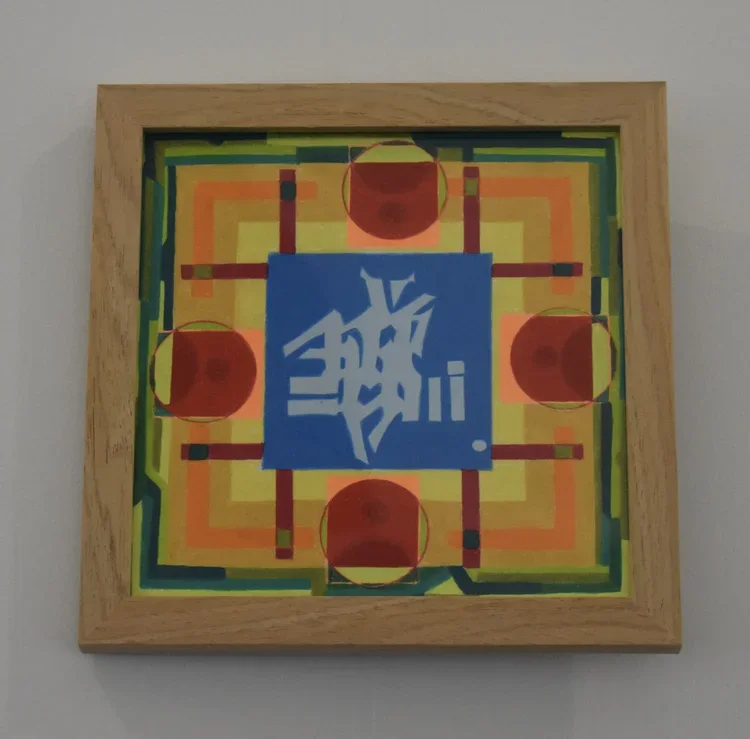
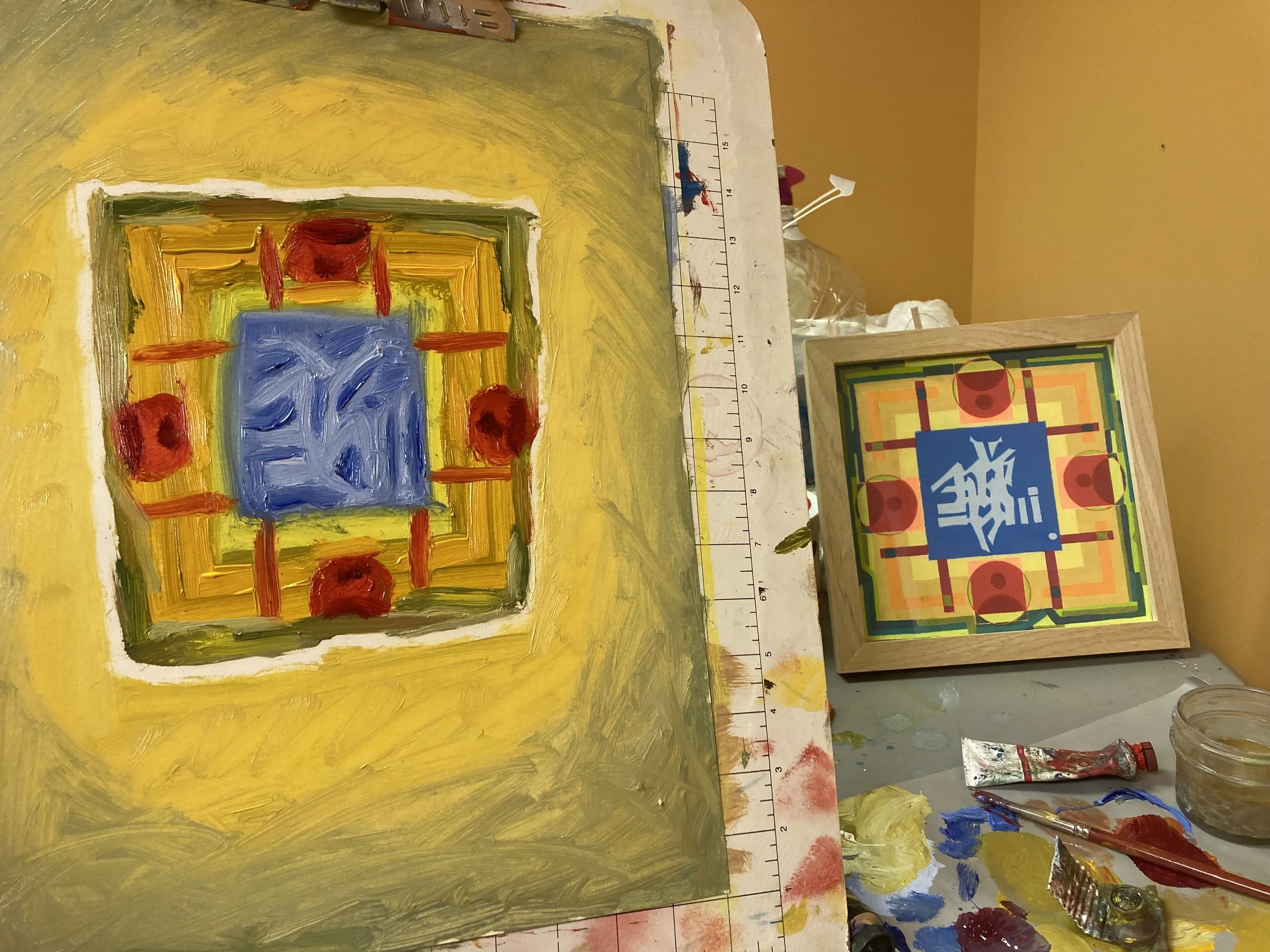
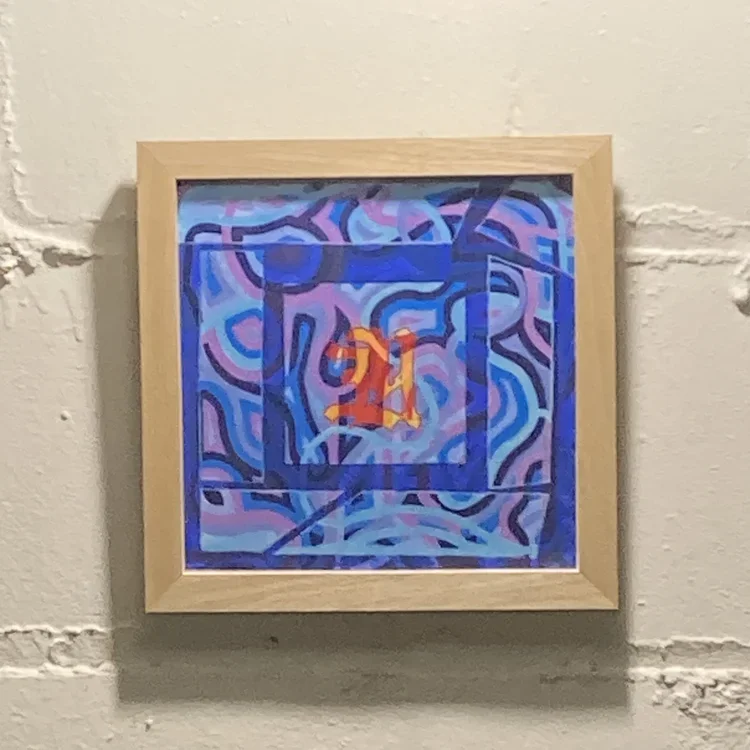
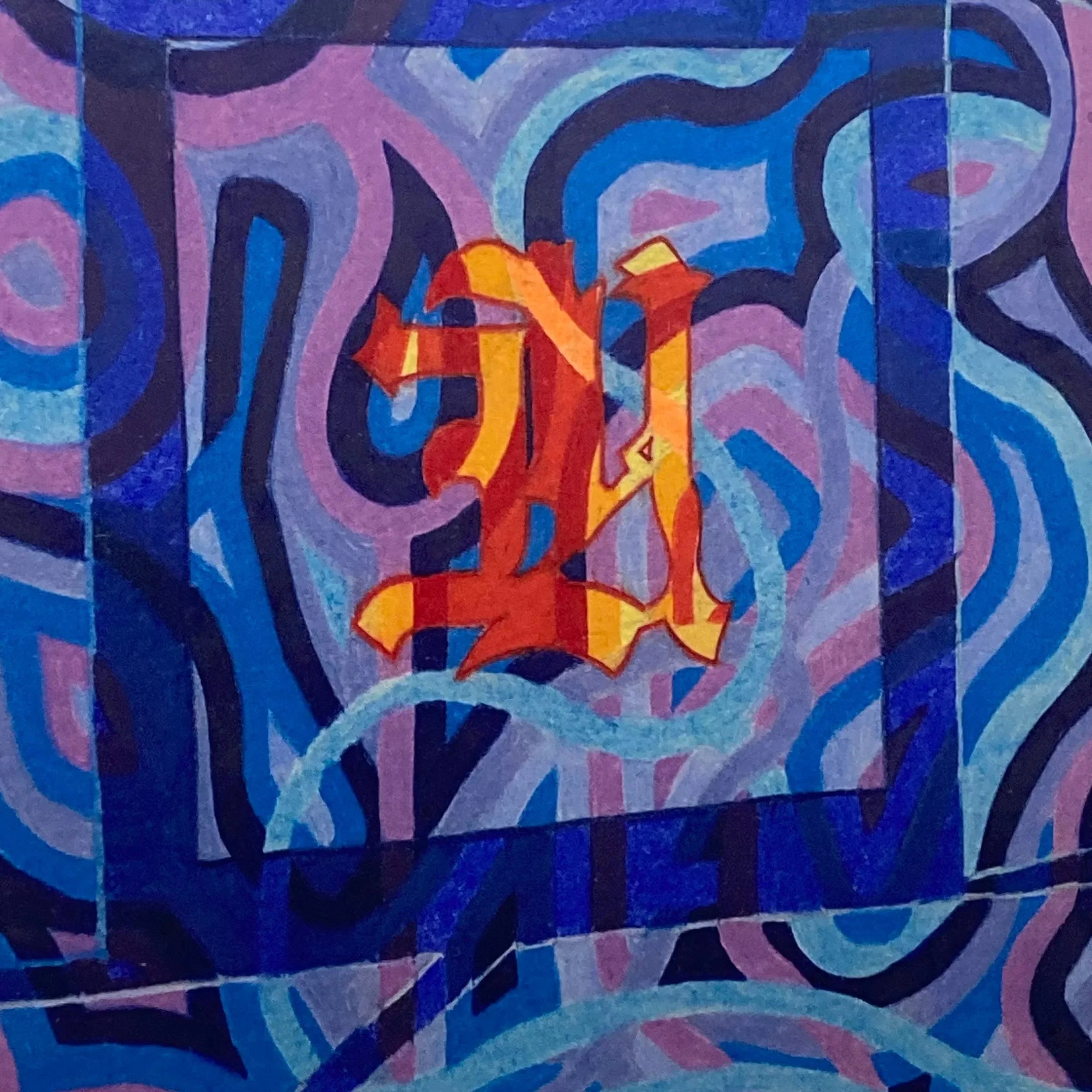
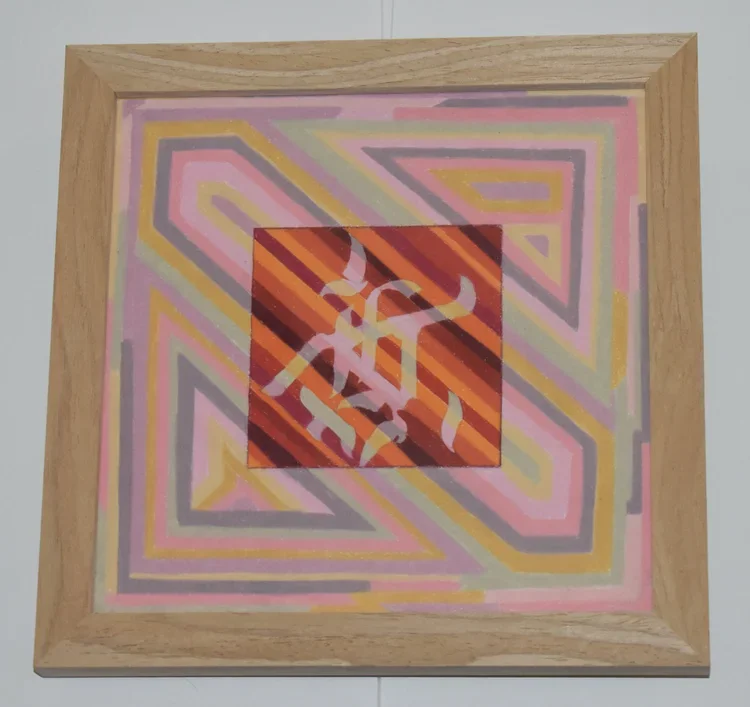
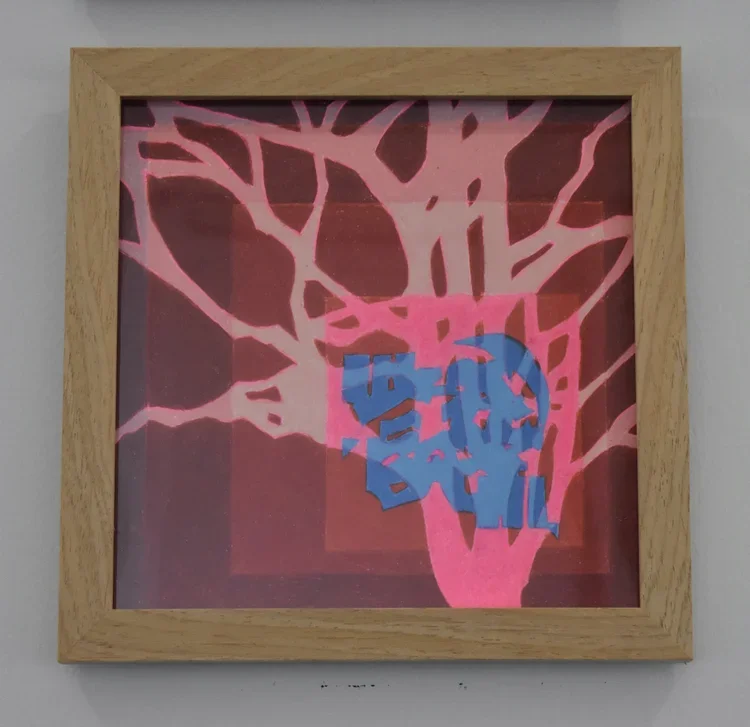
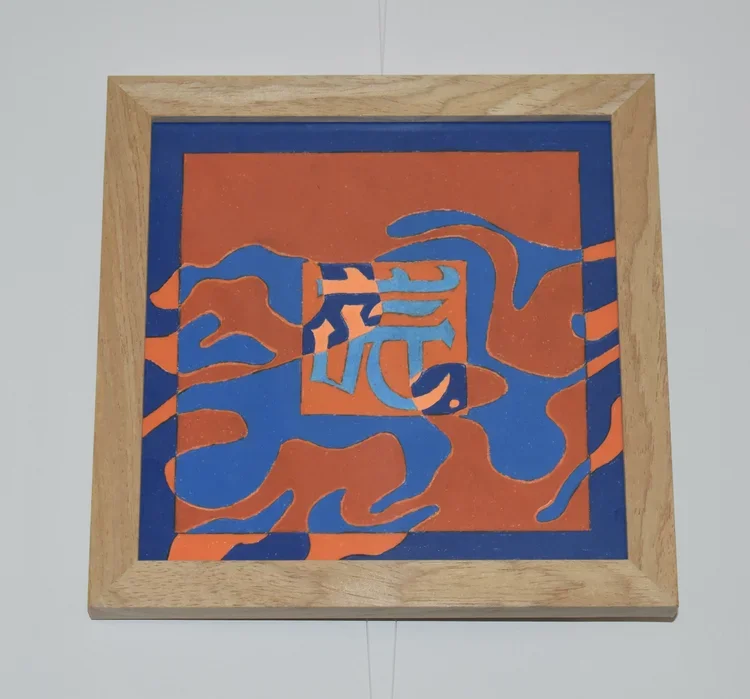
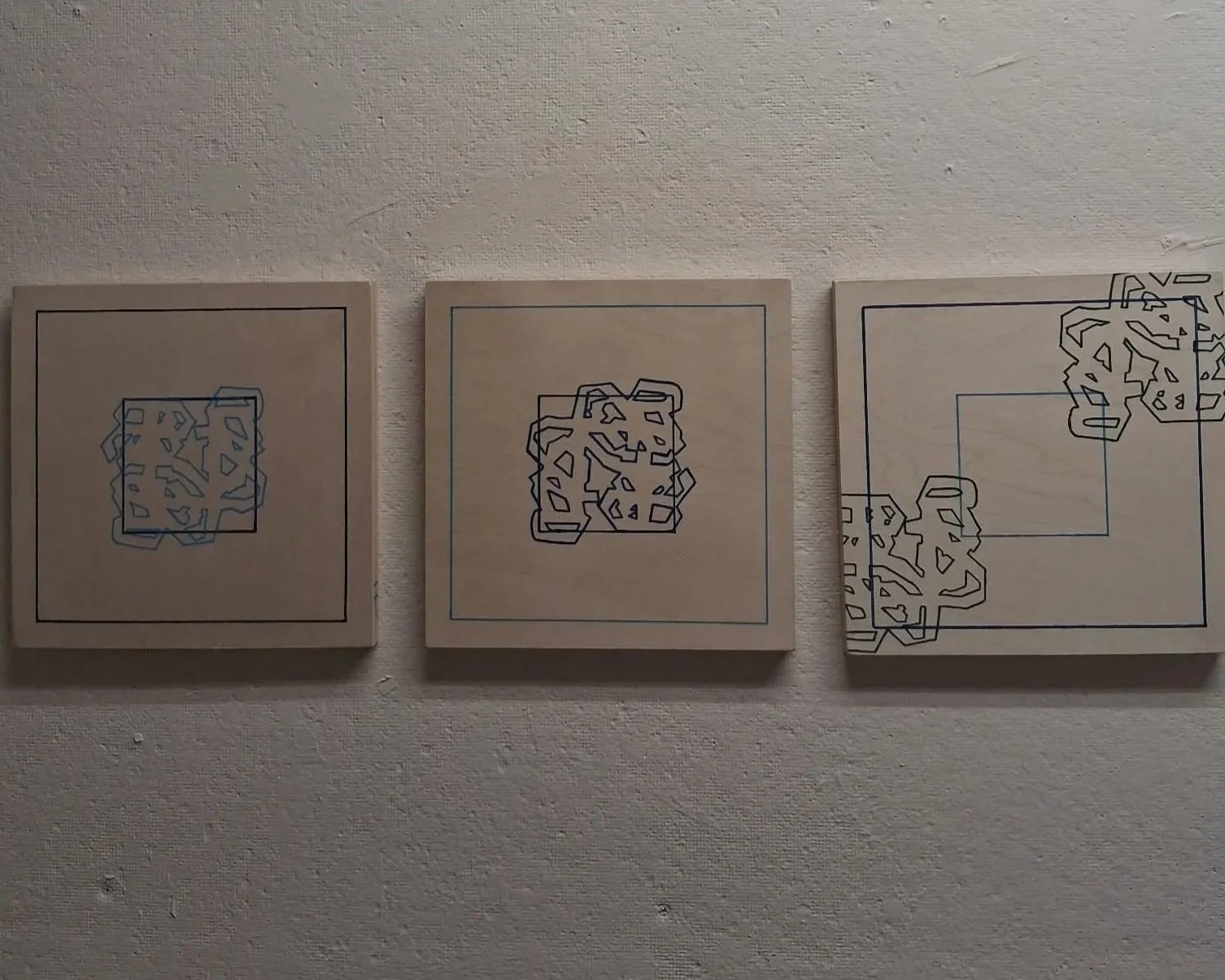
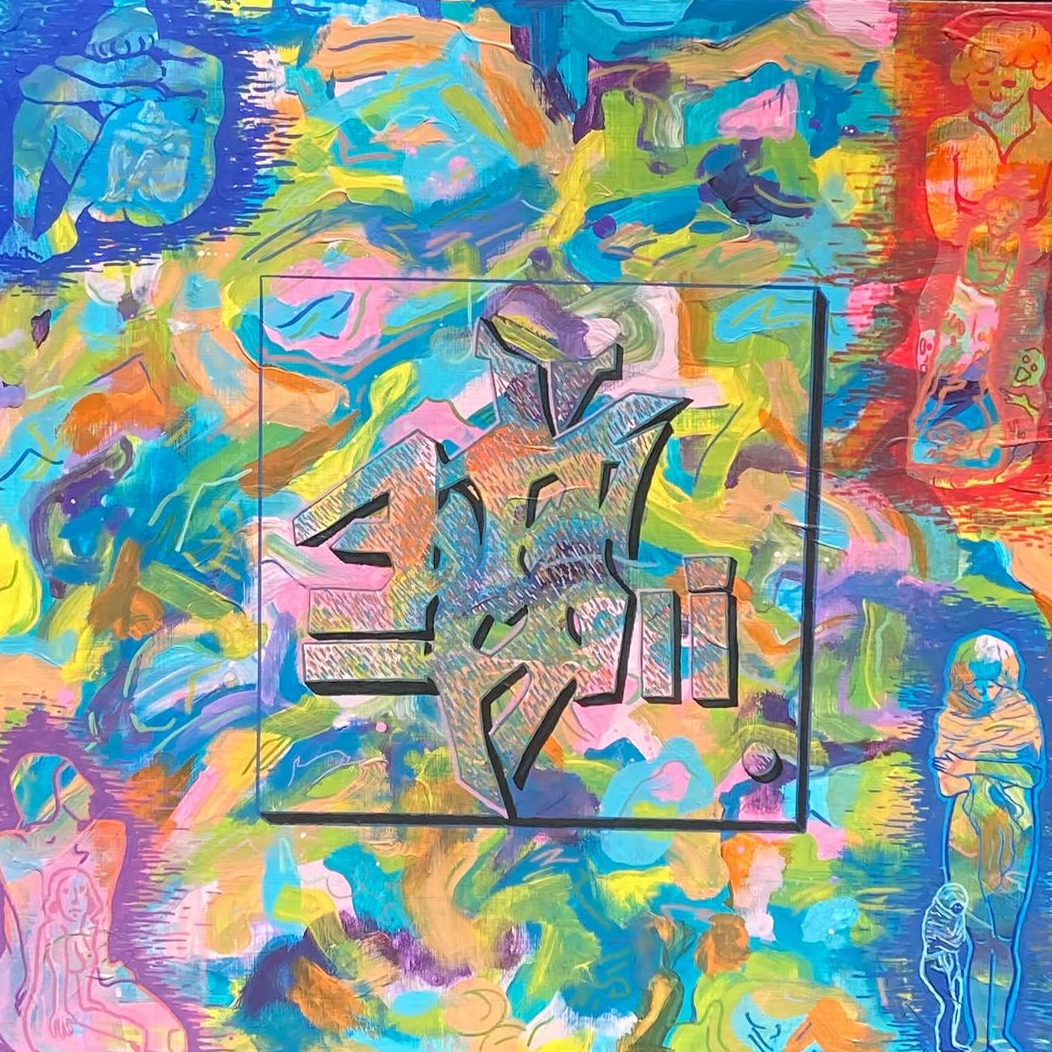
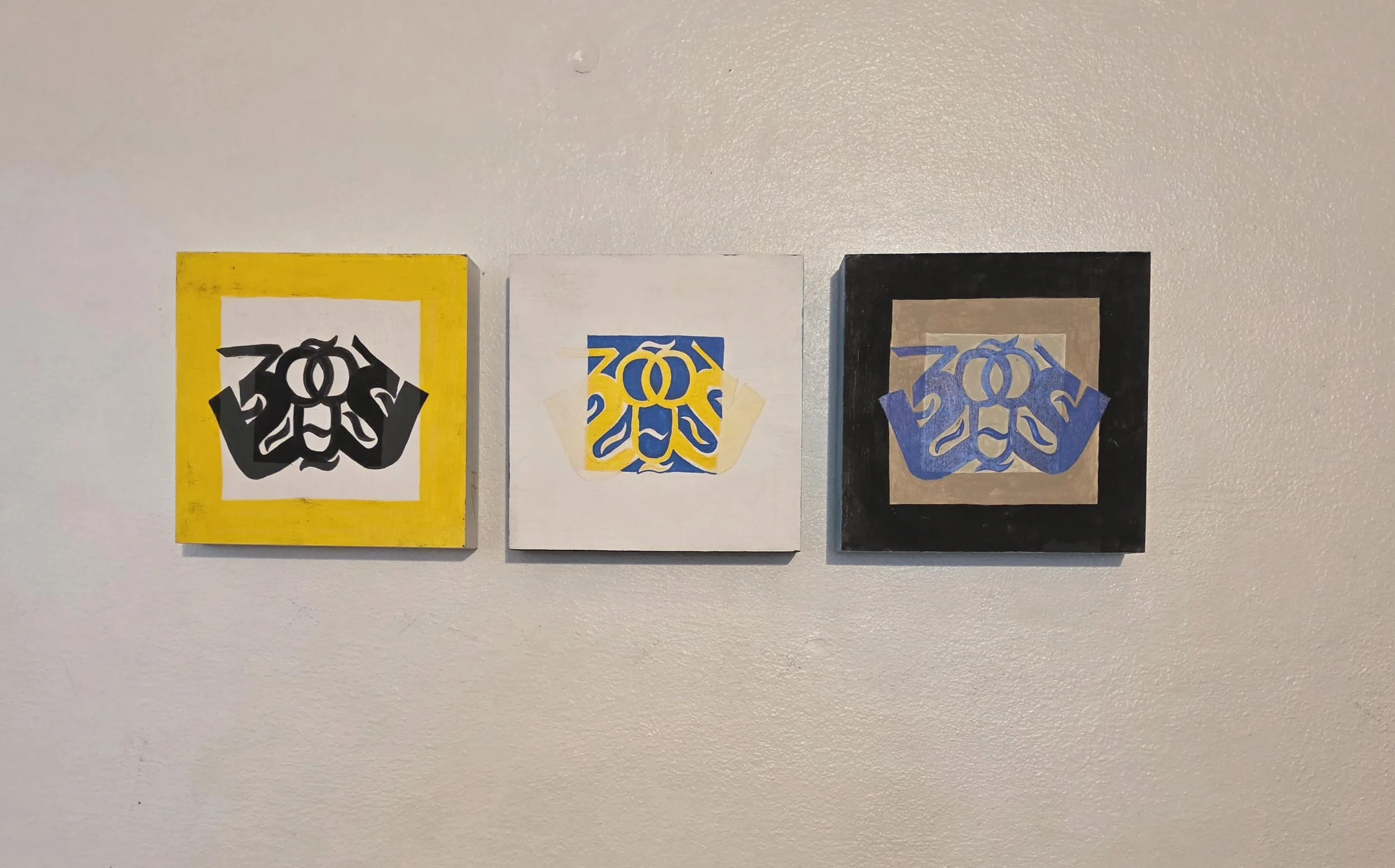
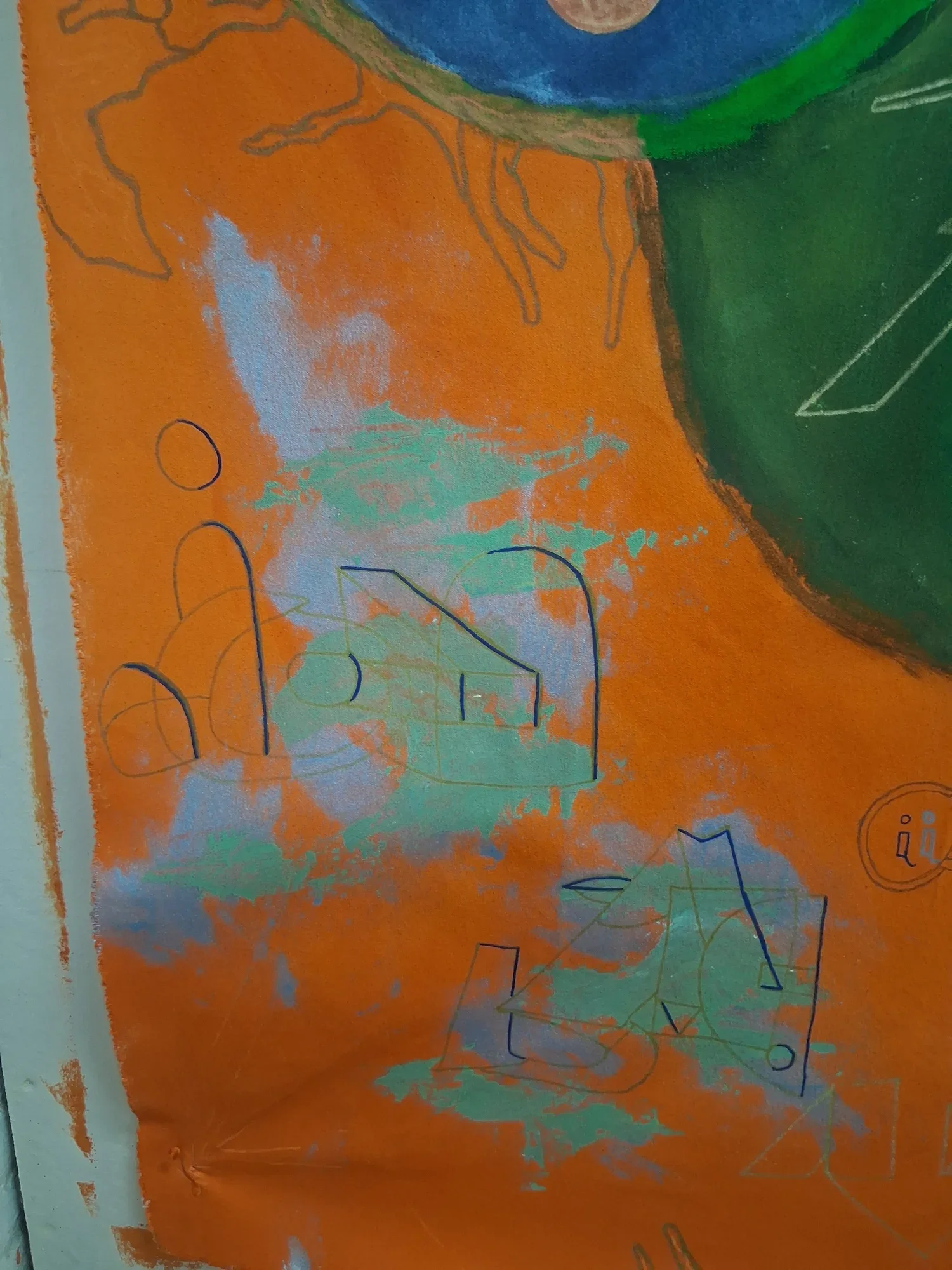
Lost Language was birthed out of my enjoyment of words and letters purely for their aesthetic quality as opposed to their known meaning. I started looking at letters, words and characters entirely for their shape, investigating how I related to their form in any given space. As a result, I have endeavored to create a kind of alphabet of logograms that will span a sizable number. The logograms, produced by the amalgamation of languages from all over the world, are central to the work.
36 × 36
acrylic on panel
Pivotal Introspection, Senior Studio Art Major Capstone Exhibition
Randolph College, Maier Museum
30 × 30
acrylic on panel
(Commissioned and Sold)
36 × 36,
acrylic on panel
Pivotal Introspection, Senior Studio Art Major Capstone Exhibition
Randolph College, Maier Museum
11 × 14
oil on canvas paper.
36 × 36
acrylic on panel with axe wedges
Pivotal Introspection, Senior Studio Art Major Capstone Exhibition
Randolph College, Maier Museum
36 × 36, acrylic on panel.
36 × 36
acrylic and gold leaf on panel
Pivotal Introspection, Senior Studio Art Major Capstone Exhibition
Randolph College, Maier Museum
Pivotal Introspection Exhibit
Maier Museum, Lynchburg VA
8 × 8, colored pencil on paper.
8 × 8, colored pencil on paper.
8 × 8
colored pencil on paper
Vaulted Gallery, Sweet Briar College
11 × 14, oil on canvas paper.
8 × 8, colored pencil on paper.
8 × 8
Colored pencil on paper
8 × 8
colored pencil on paper
Artist-In-Residence, Virginia Center for the Creative Arts
8 × 8, colored pencil on paper.
8 × 8, colored pencil on paper.
8 × 8, colored pencil on paper.
8 × 8, colored pencil on paper.
36 × 36 , acrylic on pca
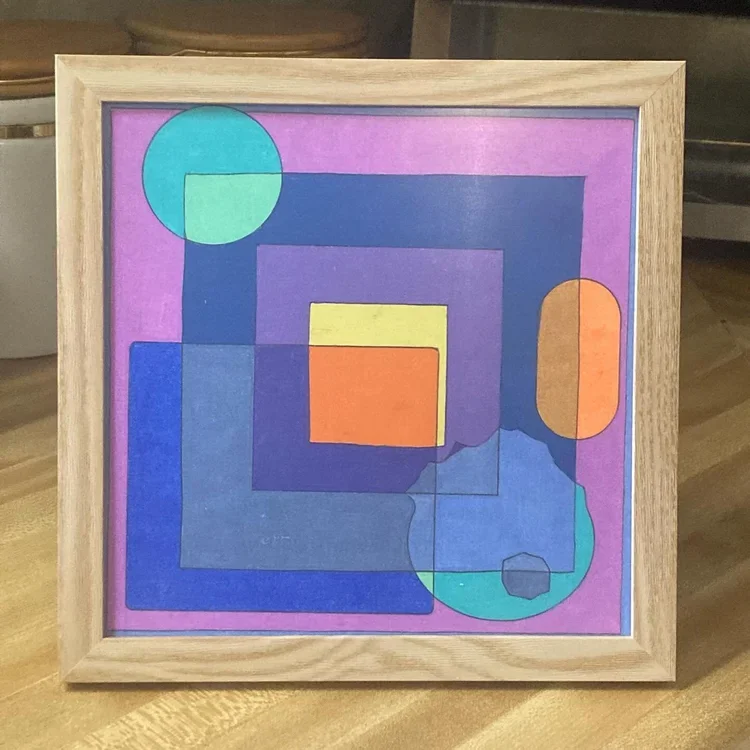
8 × 8, magic marker on tracing paper and construction paper.
30 × 30
acrylic on panel
(Commissioned and Sold)
8 × 8
acrylic on panel
(Gifted)
Maryland Institute College of Art
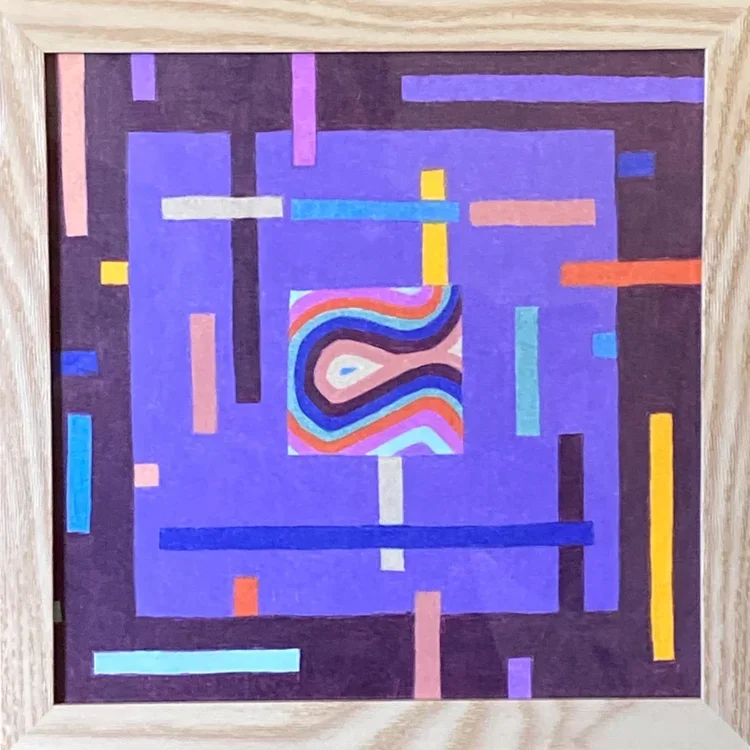
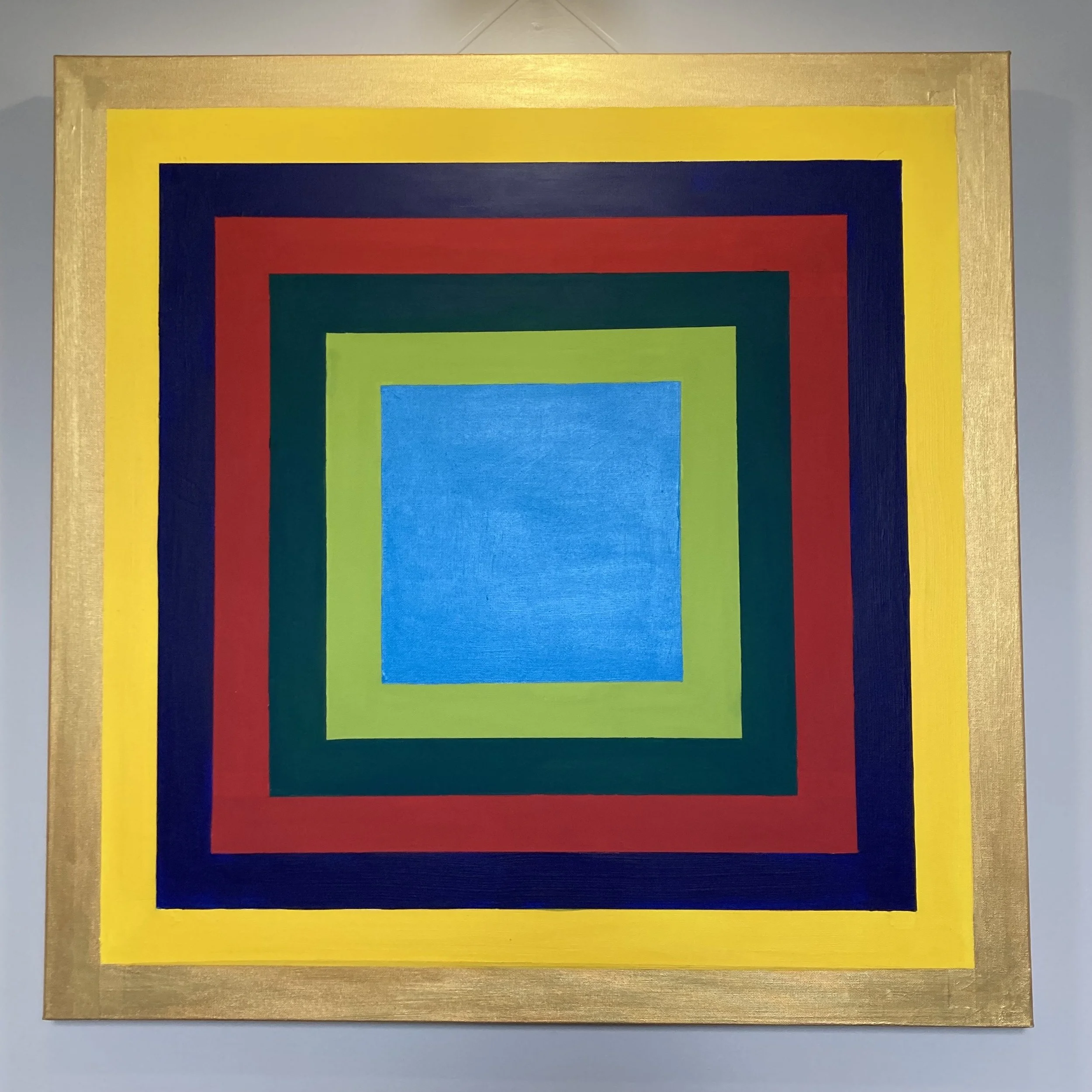
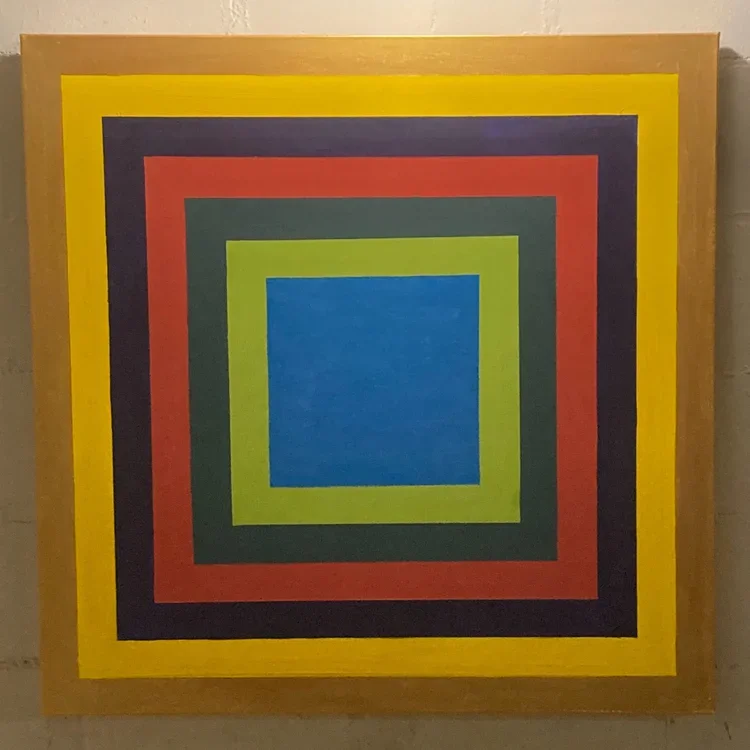
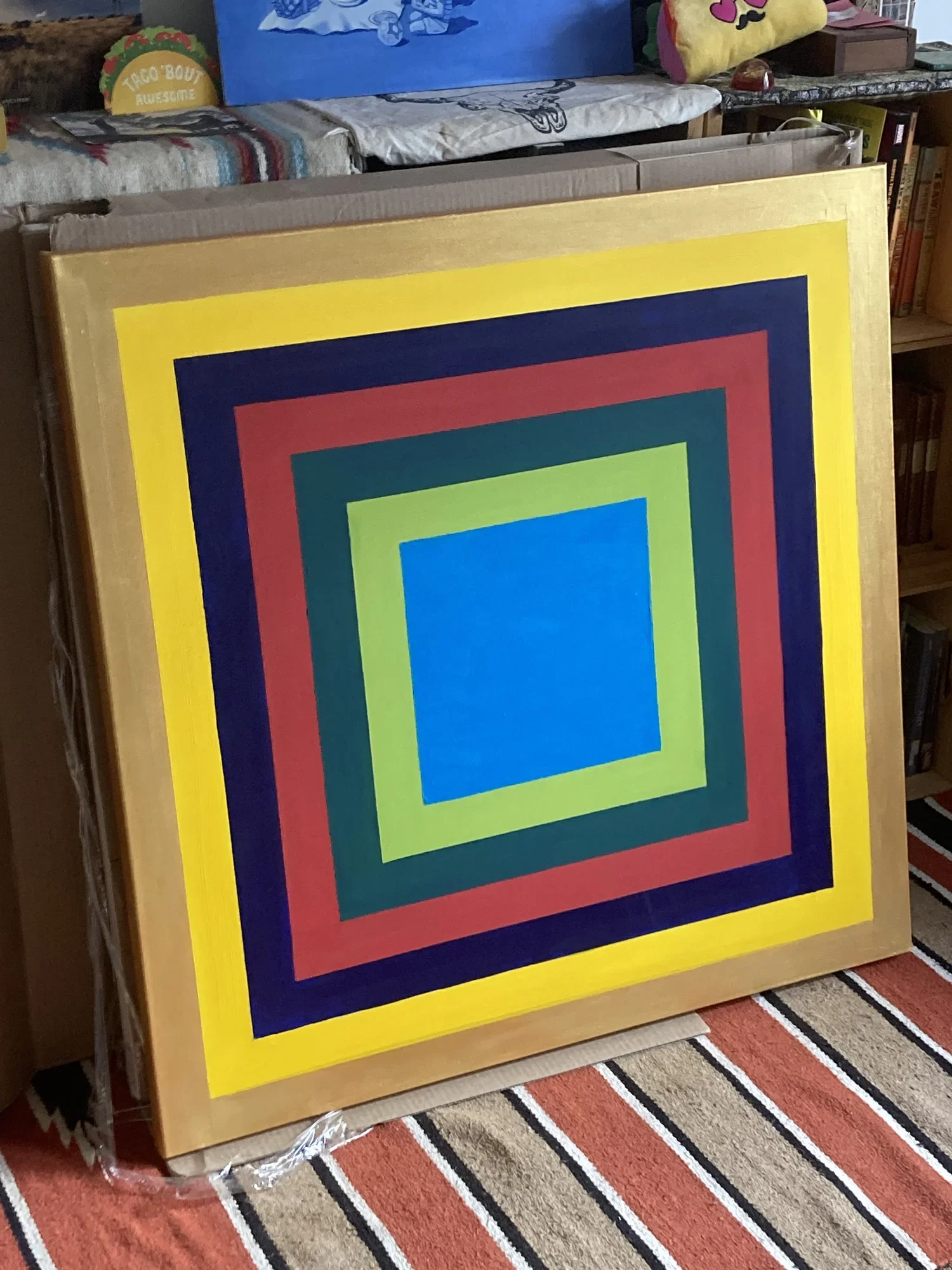
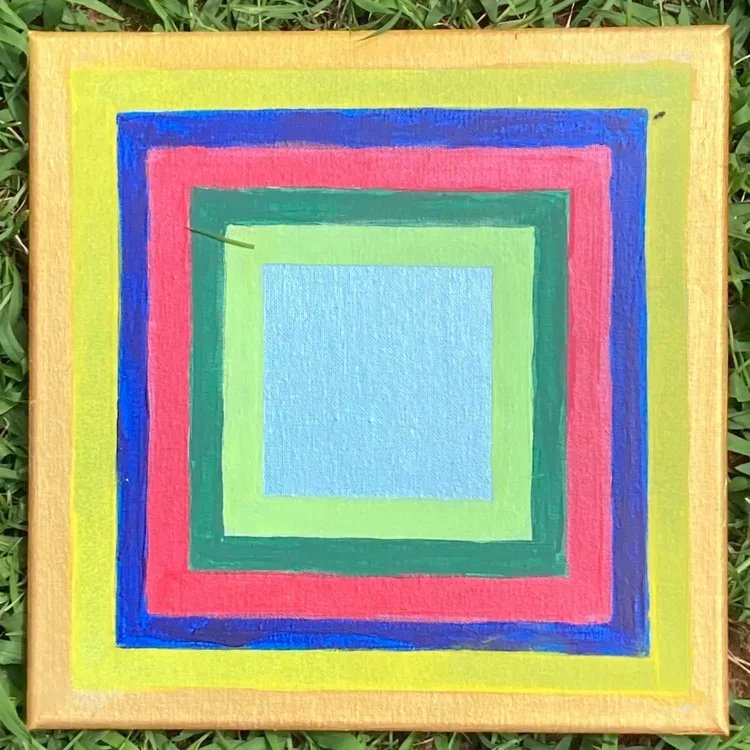
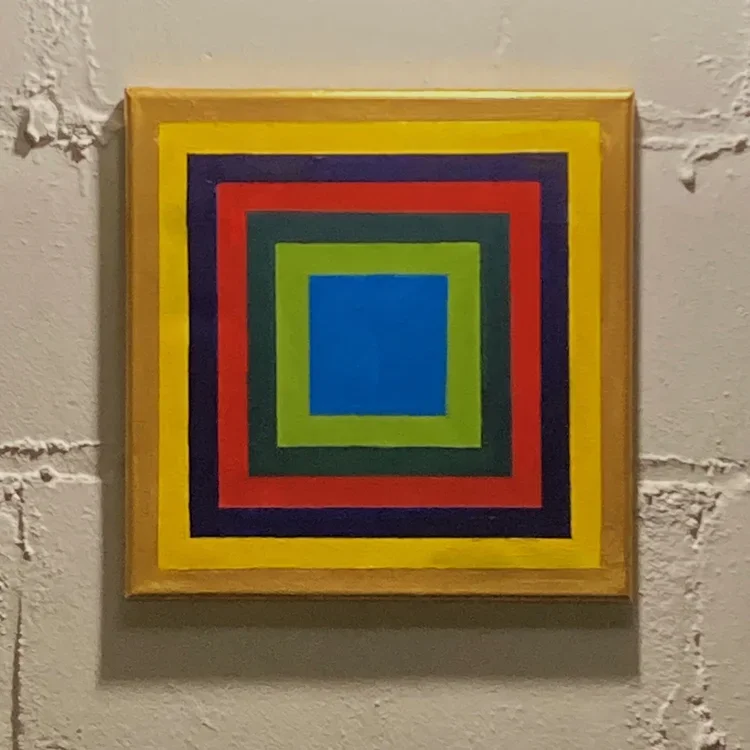
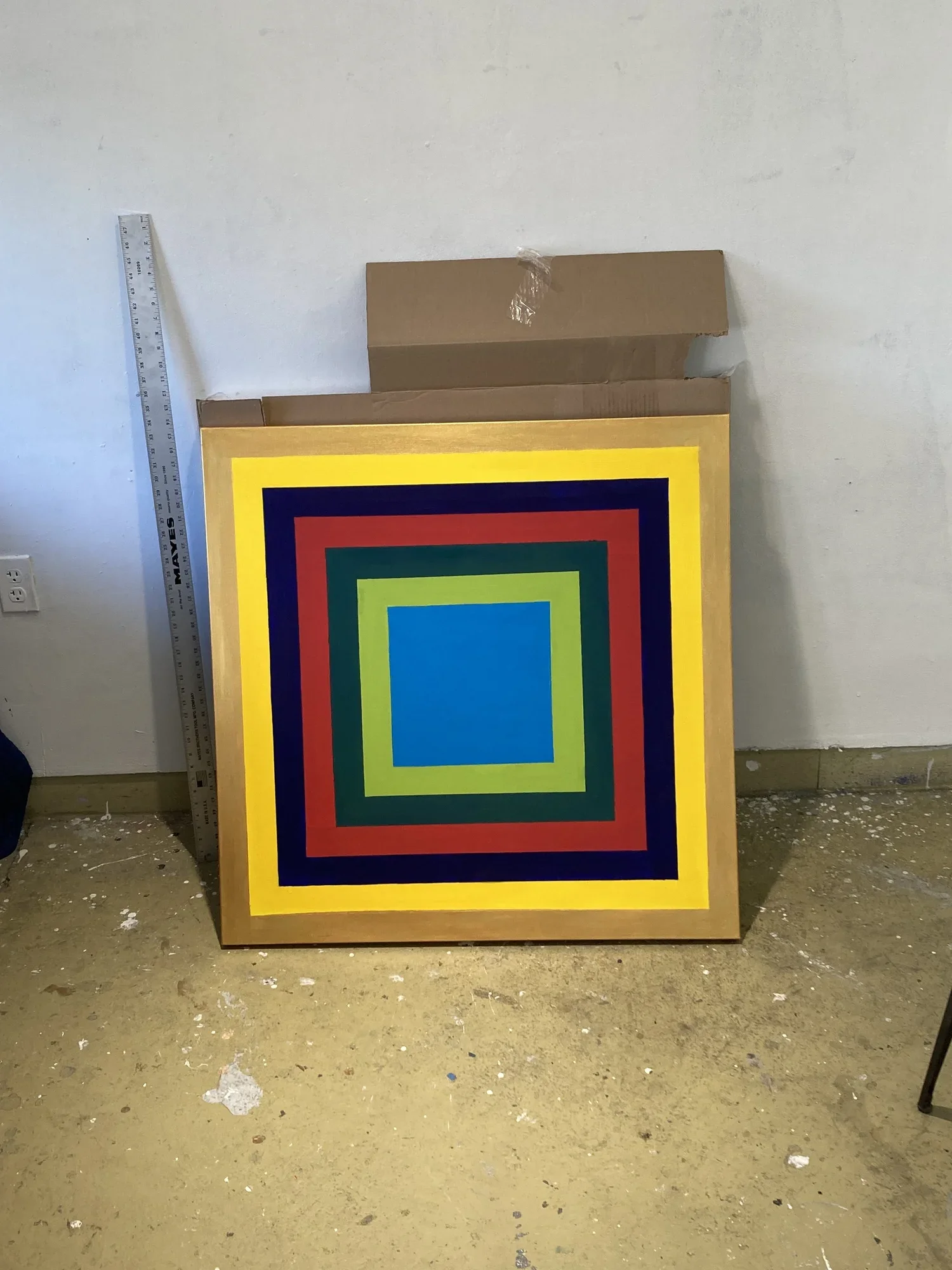
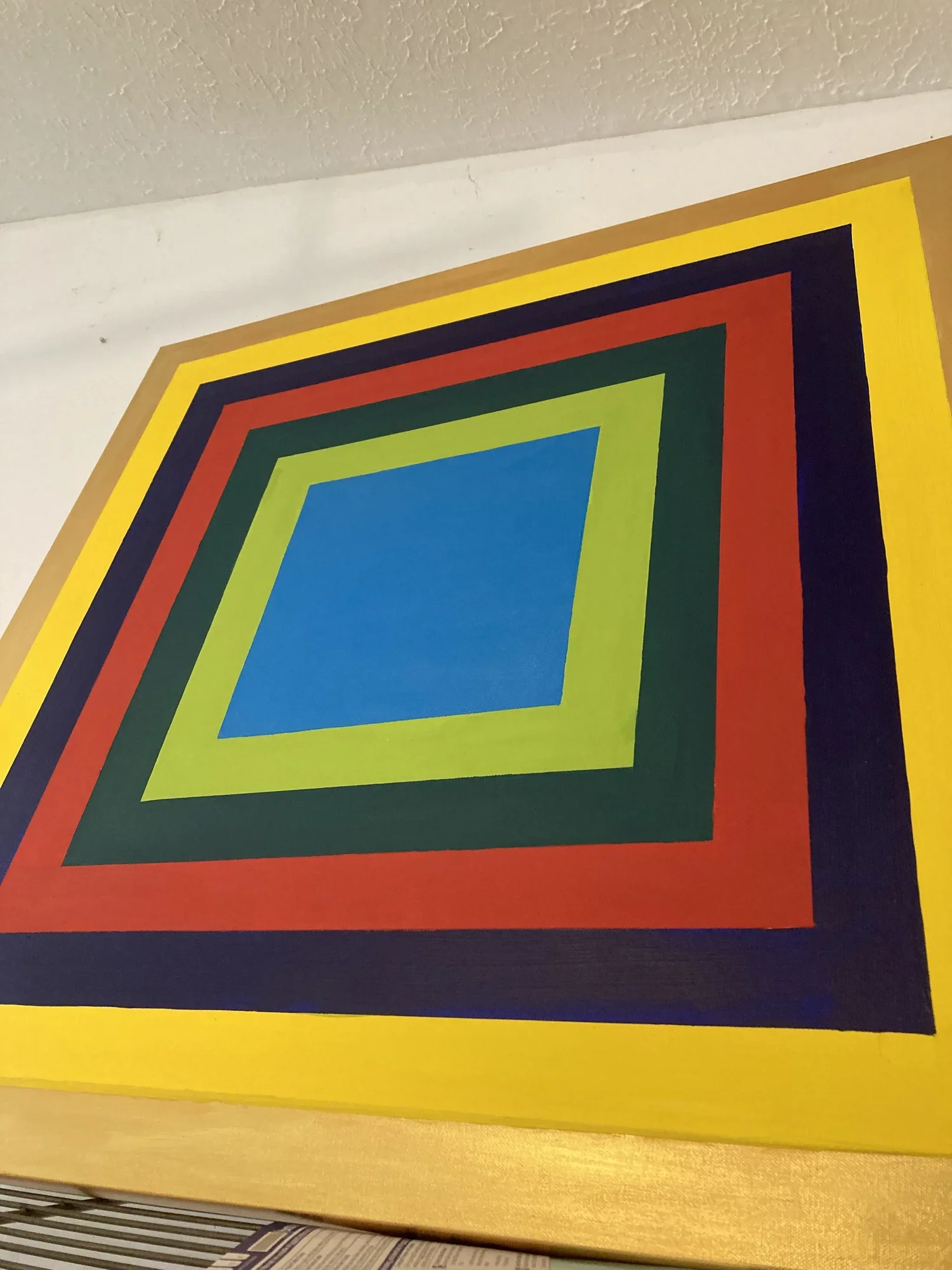
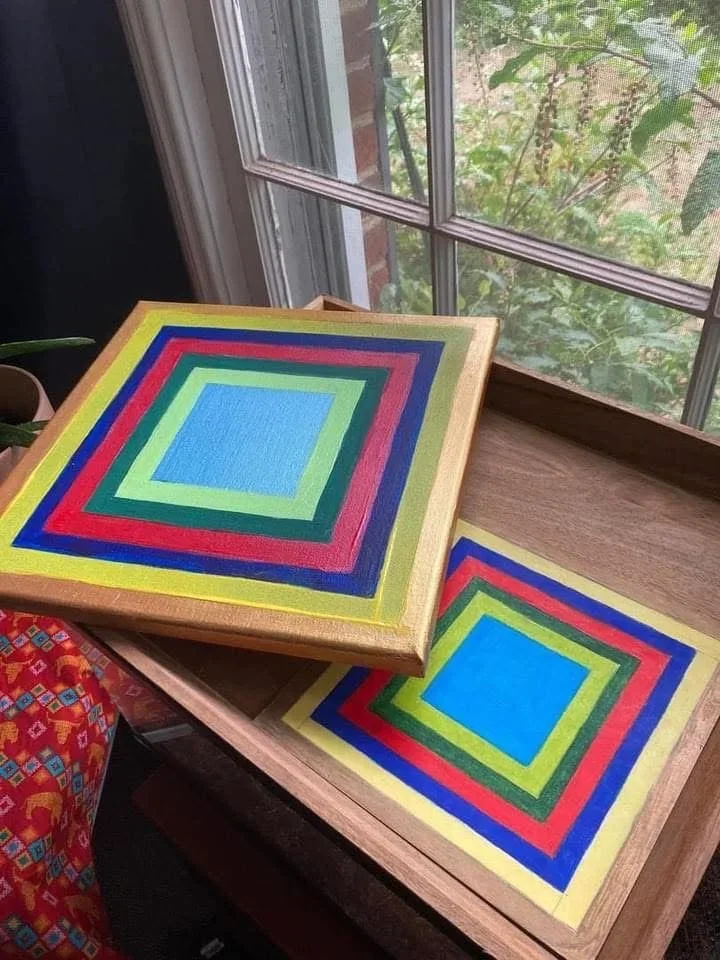
Voice of God is a meditation. It is my prayer that allows color pattern to dictate narrative. The series is intended to emit a variegated vocal arrangement from the Divine. It is work that explores the manifold wisdom of God flattened into a symbol and how large thick-banded color schemes effect each viewer. Are the colors flat and predictable or reverberating and resounding? Does the simplistic yet polychromatic arrangement produce contemplation or distraction? Is the work perceived as purely decorative or reflective.
36 × 36
acrylic on canvas
While an artist-in-residence at the Virginia Center for Creative Arts
Displayed at the Vaulted Gallery, Sweet Briar College
12 × 12
acrylic on p canvas
36 × 36
acrylic on panel
Artist-In-Residence at VCCA
Drawings, paintings, and photographs that are more figurative or representational in nature.
60 × 72, acrylic on canvas.
11 X 14, water color on paper.
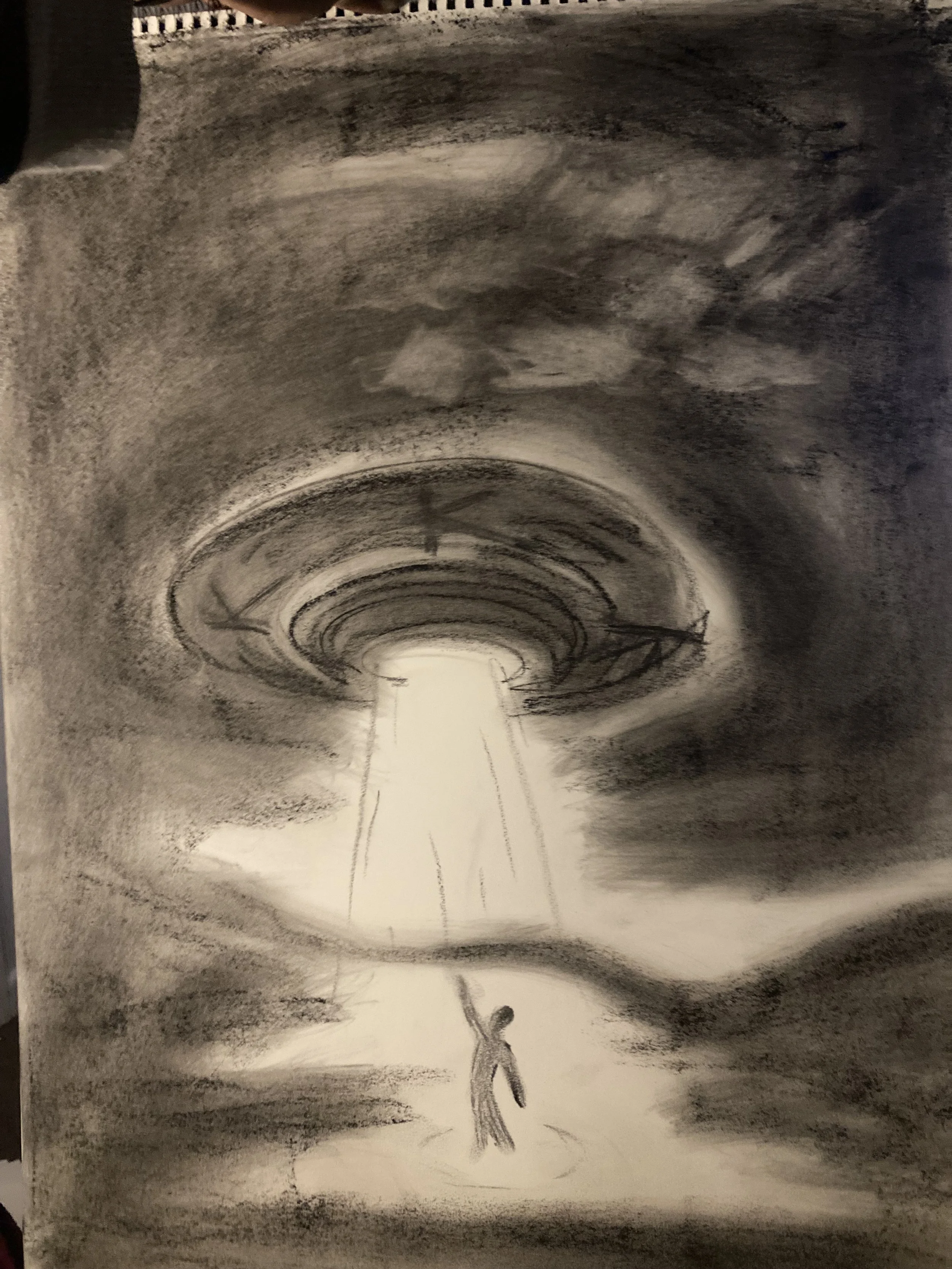
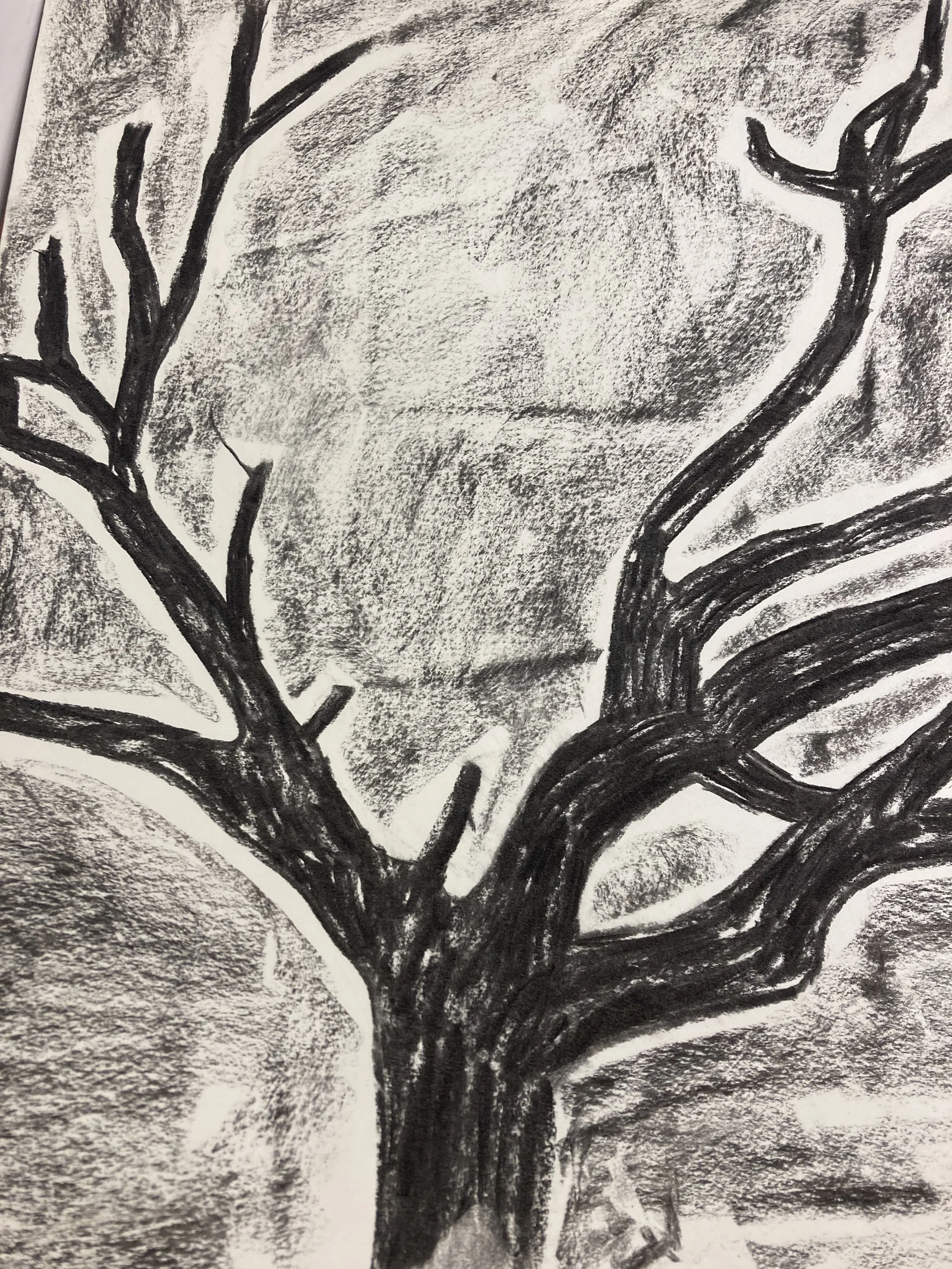
11 × 14, charcoal on paper
11 × 14, charcoal on paper.
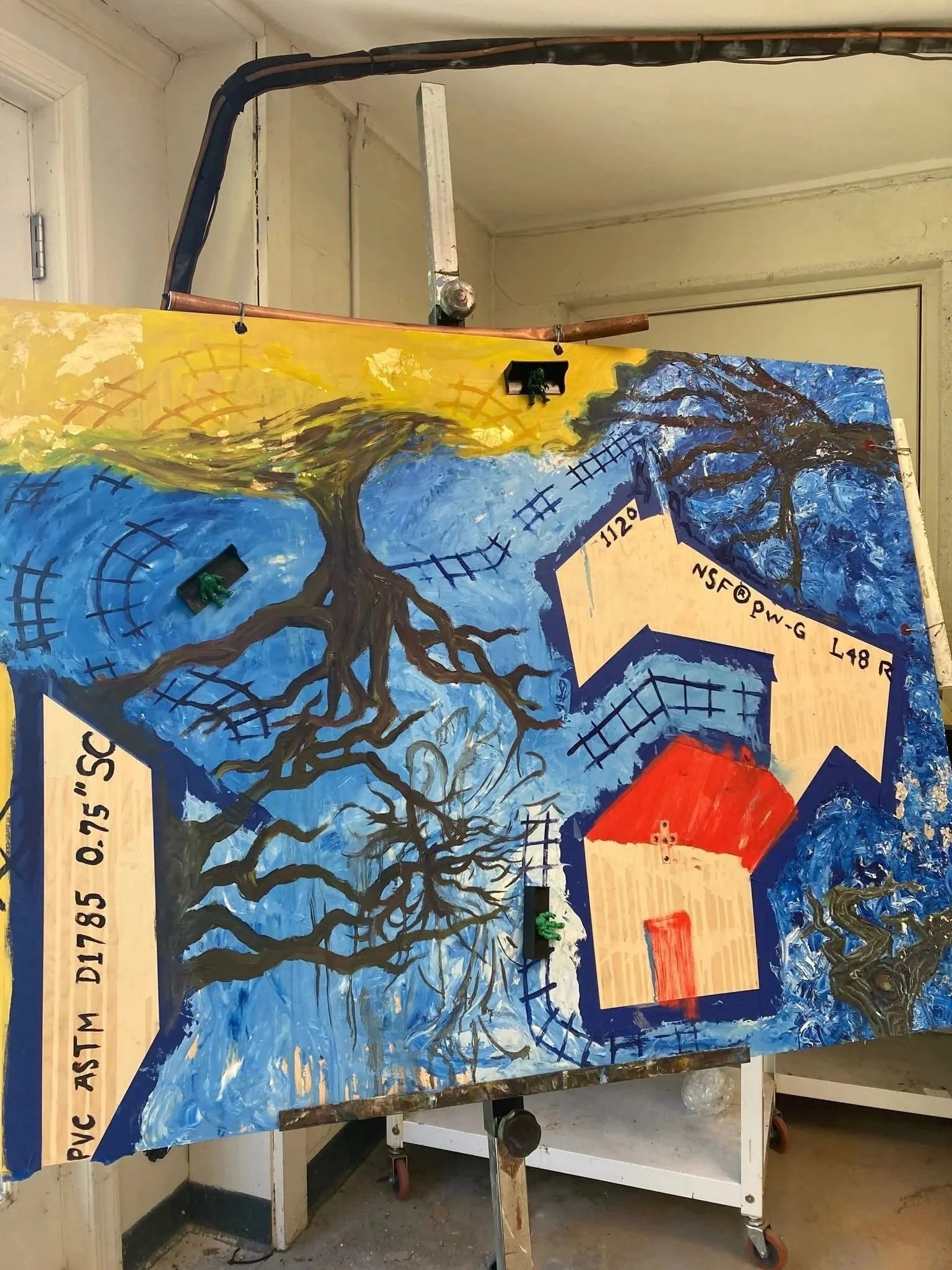
36 × 46
acrylic, oil, painter’s tape, PVC pipe, metal pipe, silver leaf, gold leaf and wire on panel
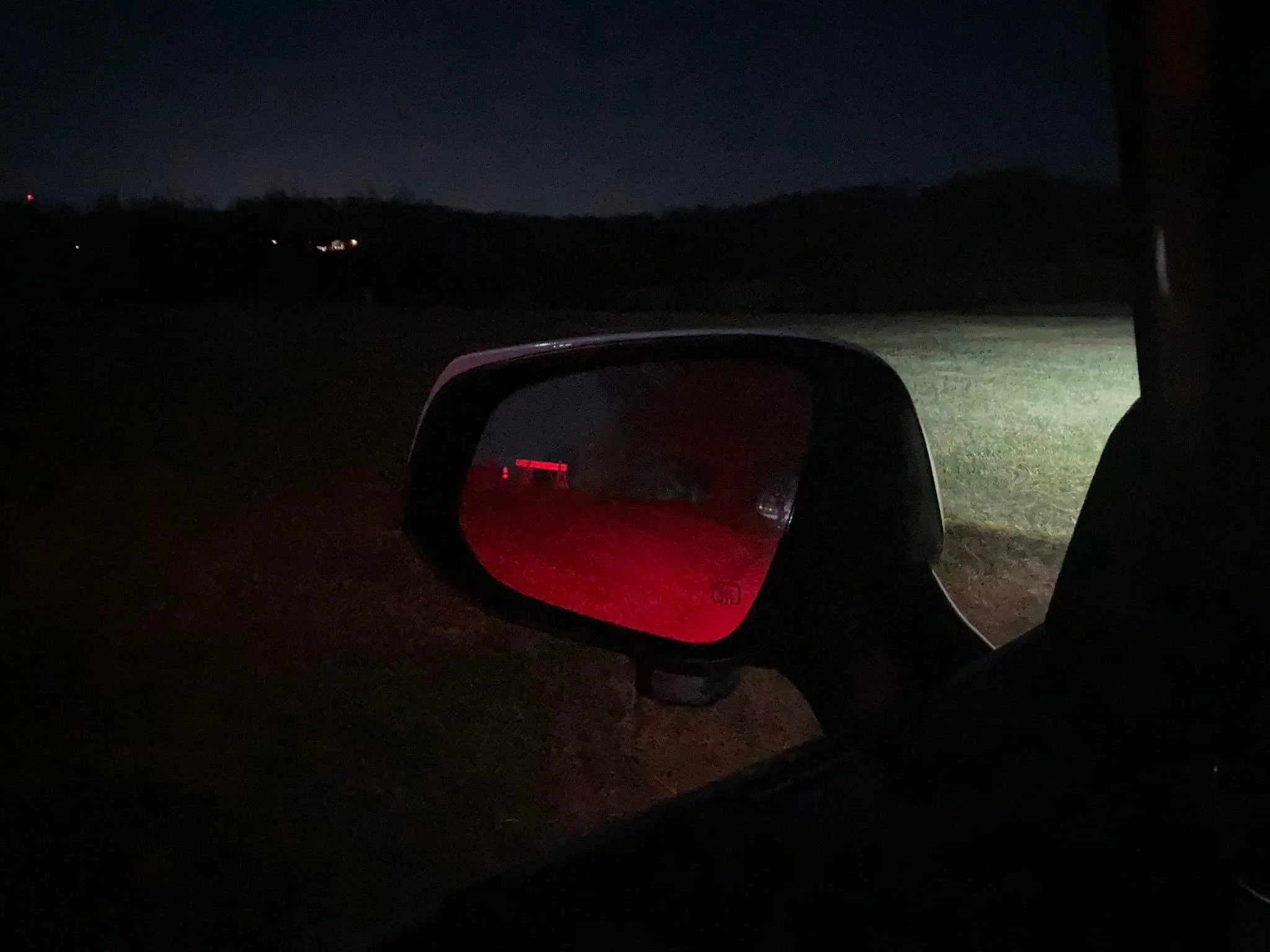
Digital photograph
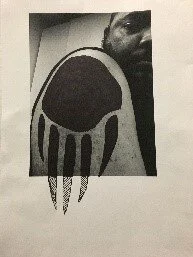
8.5 × 11
ink on printed image
12 × 12
digital photograph
12 × 12
digital photograph
12 × 12
digital photograph
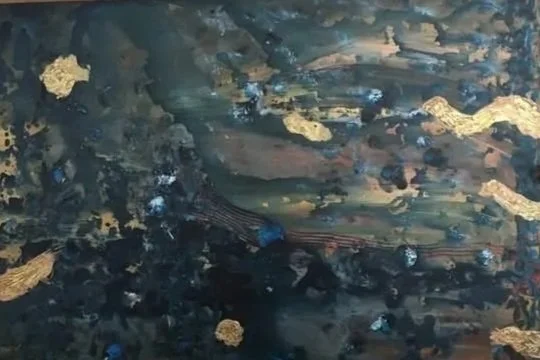
What happened to First Earth? What was the Harbinger trying to tell us and what happened to this civilization when it came? Generations is the centerpiece of my first-year critique at the Maryland Institute College of Art (MICA) as part of the MFA in Studio Art Low-Residency (MFAST) program. It is a cave painting that gives viewers their first glimpse into the Harbinger and what happened to the world before our world.
…
acrylic, ink, sketch paper, and canvas on canvas
….
Benedict Gallery, Sweet Briar College
Photo by Chris Clark
…
acrylic on panel
Maryland Institute College of Art
….
acrylic on panel
…
acrylic, gold leaf, rubber bands, copper leaf, and ink on canvas and cardboard
This 5 × 5 ink on card stock image is the cover for a future collection of poems entitled The Preeminence.
This 5 × 5 ink on card stock image is for the future collection of poems entitled An Opulent Season
This 5 × 5 ink on card stock image is the cover for a future collection of poems entitled, Empires of the Mind.